


 Back to Blogs
When Should You Think About Replacing Vinyl Siding
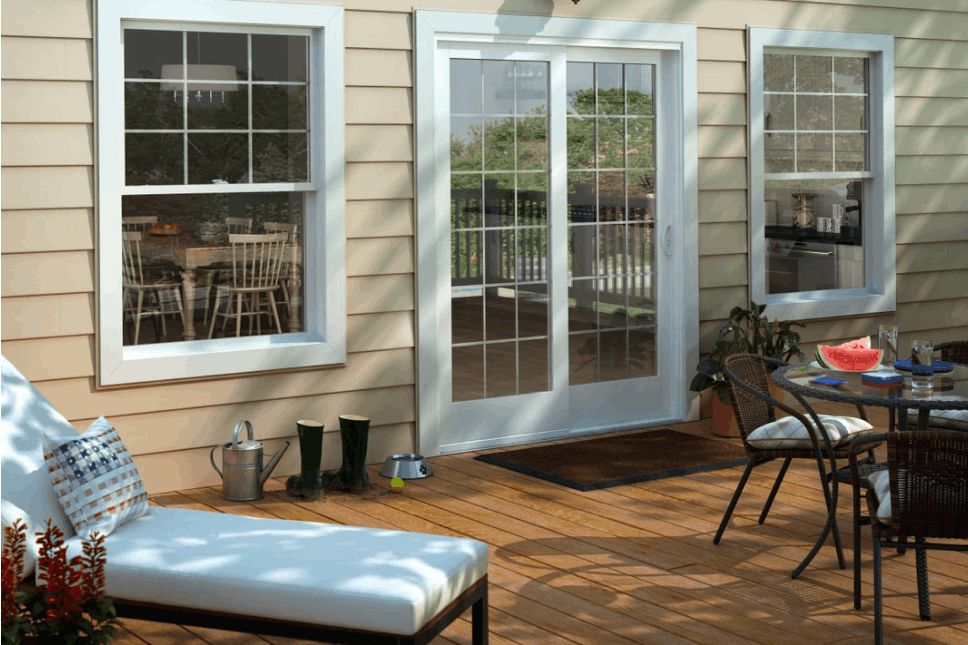
Your home's siding does so much more than just look good. It's your first line of defense against wind, heat, and cold. But it also protects your home's structure, keeps moisture out, and plays a huge role in your home's energy efficiency and resale value. And like any exterior component, vinyl siding doesn't last forever.
So, when should you start thinking about replacing vinyl siding? The answer isn't always obvious. Some signs are clear, like cracks, warping, or visible damage. Others are more subtle, like rising energy bills or persistent moisture problems. Knowing when to replace siding on your house can save you from bigger headaches down the road, including structural damage, mold, and costly repairs.
Let's walk through the key signs that it's time to replace your vinyl siding, how to tell if repair is enough, and why investing in high-quality siding from Window World of the Blue Ridge is one of the smartest decisions you can make for your home.
Why vinyl siding replacement matters for your home
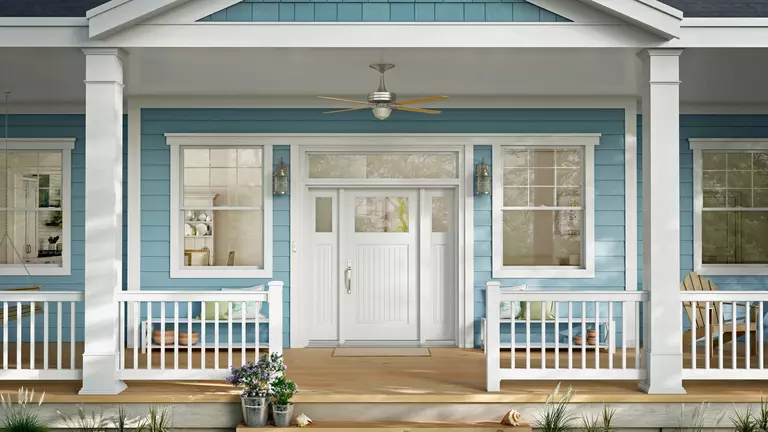
Vinyl siding is designed to be durable and low maintenance, but it's not indestructible. Over time, exposure to the elements takes its toll. Sun, rain, wind, and temperature swings can cause fading, cracking, warping, and other forms of wear and tear.
When your siding starts to fail, it can become a cosmetic and home quality issue. Damaged or aging siding can let moisture seep behind the panels, leading to rot, mold, and even structural damage to your home's framing. On top of that, it can reduce your home's insulation value, causing your heating and cooling system to work harder and driving up your energy bills.
Replacing siding on your house protects your home's structure, improves energy efficiency, boosts curb appeal, and can even increase your property value. In other words, it's an investment that pays off in comfort, savings, and peace of mind.
Key signs it's time to replace your vinyl siding
Not sure if your siding needs replacing? Here are the most common warning signs that it's time for an upgrade.
1. Cracks, holes, or damaged pieces
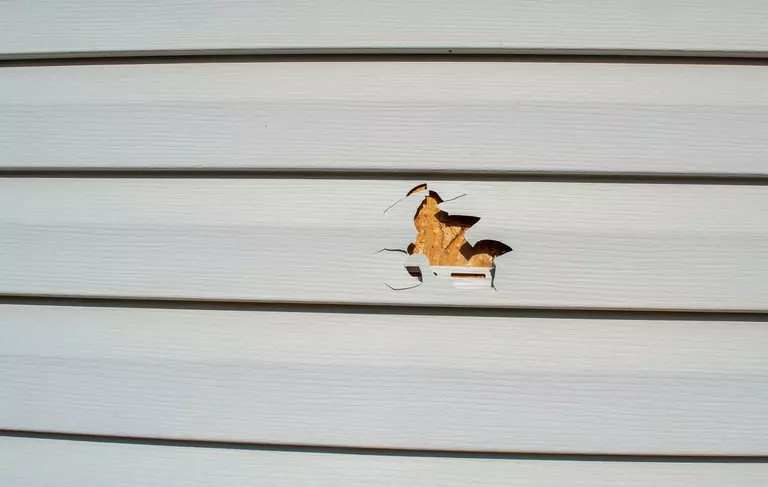
Cracks and holes in your vinyl siding are clear indicators that something's wrong. These can occur from impact damage – think hail, flying debris, or even an errant baseball – or they can develop over time as the material becomes brittle with age.
Small cracks might seem harmless, but they allow water to get behind the siding, which can eventually lead to rot, mold, and structural damage. If you're seeing multiple damaged pieces across your home, it's a strong sign that your siding has reached the end of its lifespan.
2. Warping or buckling panels
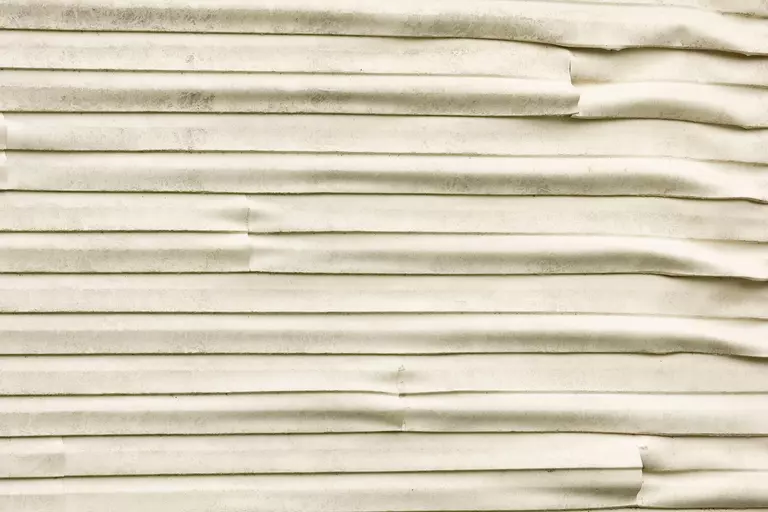
Vinyl siding should lie flat and smooth against your home's exterior. If you notice panels that are warped, rippled, or buckling away from the wall, that could mean your siding has been compromised.
Warping is often caused by improper installation, moisture trapped behind the siding, or extreme temperature fluctuations. Once siding starts to warp, it can't be fixed; it needs to be replaced. Warped siding also creates gaps where water and pests can enter, so it's important to address this issue quickly.
3. Fading or discoloration
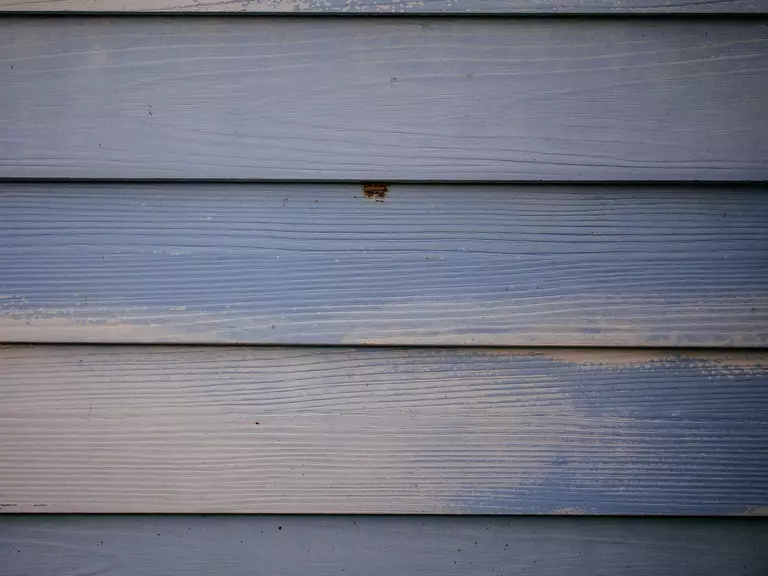
All vinyl siding will fade to some degree over time, especially on sun-exposed sides of your home. But if your siding has faded significantly, developed uneven discoloration, or looks washed out and dull, it's more than just an aesthetic problem.
Severe fading or discoloration is a sign that the protective outer layer of the vinyl has broken down, leaving the material more vulnerable to cracking, warping, and moisture damage. If your home's curb appeal has taken a hit because of faded siding, it's time to consider replacement.
4. Increased energy bills and poor energy efficiency

If your heating and cooling bills have been creeping up and you can't figure out why, your siding might be to blame. Old or damaged siding can allow air to leak in and out of your home, forcing your HVAC system to work harder to maintain a comfortable temperature.
You might also notice drafts near exterior walls or rooms that feel unusually hot in summer or cold in winter. These are all signs that your siding's insulation value has degraded. Replacing siding on your house with modern, energy-efficient options can make a noticeable difference in your comfort and your utility bills.
5. Moisture, mold, or dry rot behind the siding
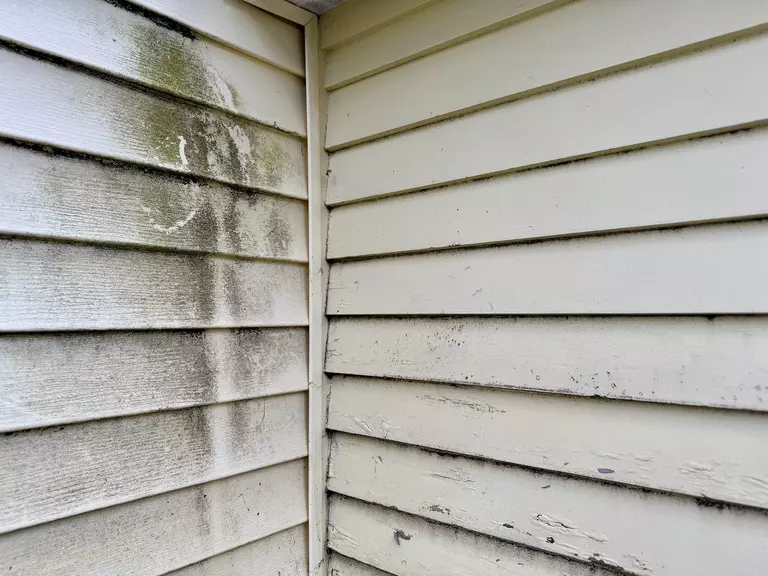
This is one of the most serious signs that it's time to replace your siding. If you notice mold, mildew, or a musty smell around your exterior walls, or if you discover dry rot when removing or replacing damaged pieces, it means moisture has been getting behind your siding for some time.
Left unchecked, moisture problems can lead to significant structural damage, including rotted framing, compromised insulation, and even foundation issues. When you suspect moisture or rot, have a professional inspect your siding right away.
6. Loose or missing siding panels
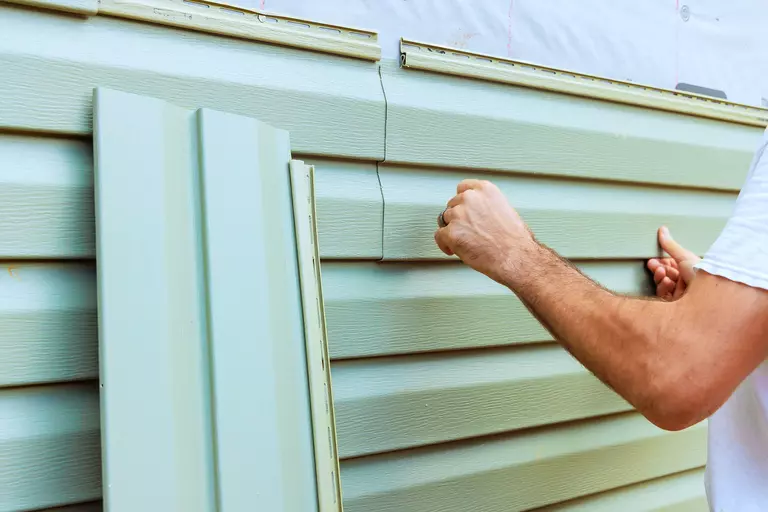
Siding panels that are loose, rattling in the wind, or coming off entirely are strong indicators that something's wrong. This can happen due to poor installation, storm damage, or simply aging fasteners and materials.
Loose siding certainly looks bad, but it also exposes your home's underlying structure to moisture, pests, and the elements. If you're constantly dealing with loose or missing panels, it's more cost-effective to replace the entire system than to keep patching problems.
7. Your siding is 20+ years old
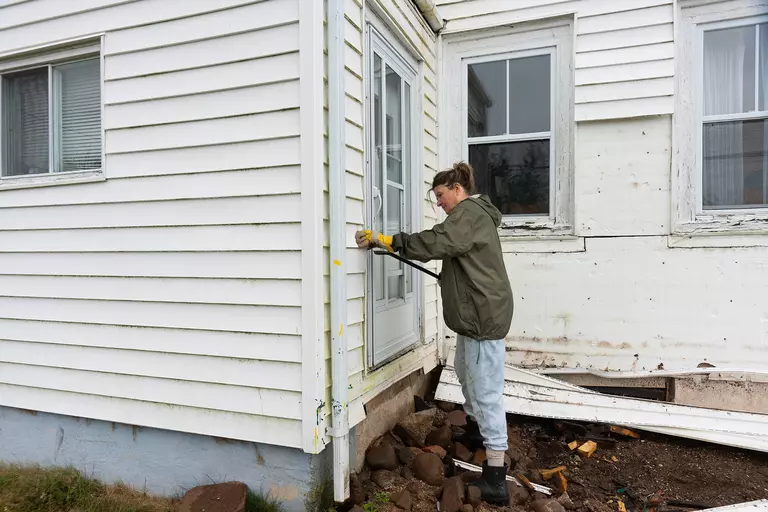
Vinyl siding typically lasts 20 to 40 years, depending on the quality of the material and how well it's been maintained. If your siding is approaching or past the 20-year mark, it's worth taking a close look at its condition.
Even if it looks okay from a distance, older siding may not be performing as well as it should in terms of energy efficiency and weather protection. Plus, newer siding options offer better durability, fade resistance, and insulation value than what was available 20 or 30 years ago. Replacing aging siding proactively can save you from dealing with emergency repairs down the line.
How to tell when vinyl siding needs to be replaced vs. repaired
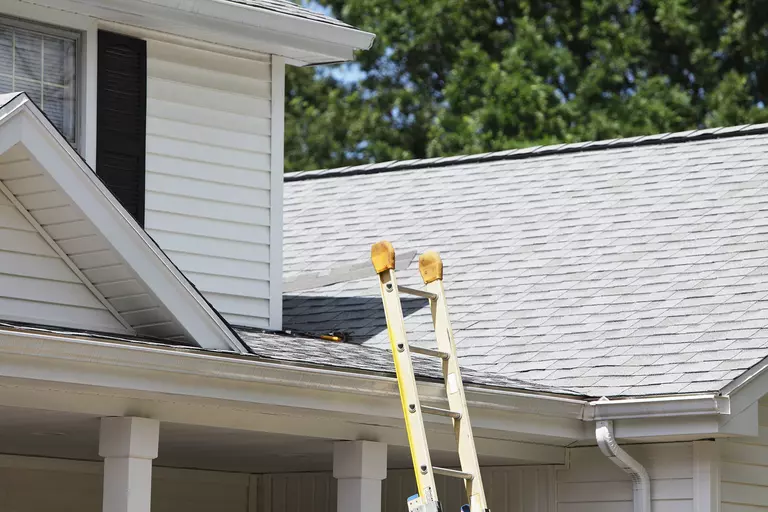
So how do you know if you can get away with repairing your siding or if it's time for a full replacement? Here's a simple rule of thumb:
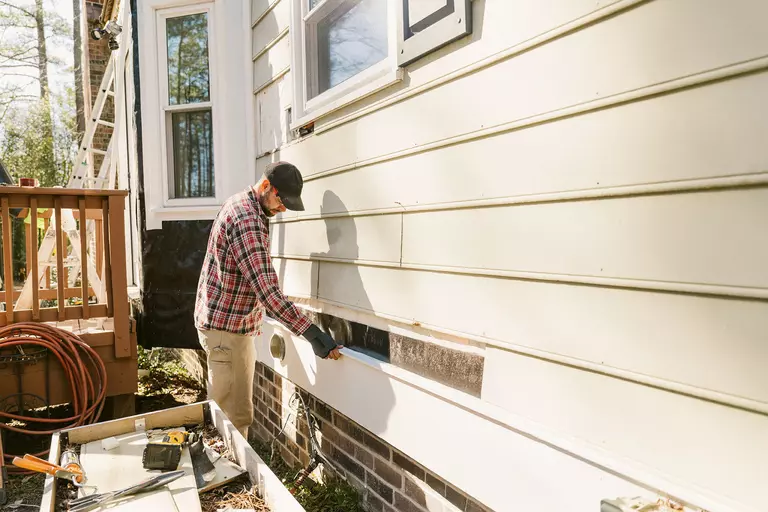
- Consider repair if the damage is isolated to one or two panels, the rest of your siding is in good condition, your siding is less than 15 years old, and there's no sign of moisture damage or rot behind the panels. In these cases, removing and replacing the damaged pieces with a pry bar or removal tool can be a quick and affordable fix.
- Consider replacement if you have widespread damage across multiple walls; your siding is faded, warped, or discolored in many areas; you're dealing with moisture problems, mold, or dry rot; your energy bills have increased noticeably; or your siding is 20+ years old. In these situations, patching a few panels won't solve the underlying problem. Full replacement is the smarter, more cost-effective choice.
When in doubt, get a professional assessment. An experienced contractor can inspect your siding, identify hidden problems, and give you an honest recommendation on whether repair or replacement makes the most sense for your home and budget.
The benefits of replacing siding on your house
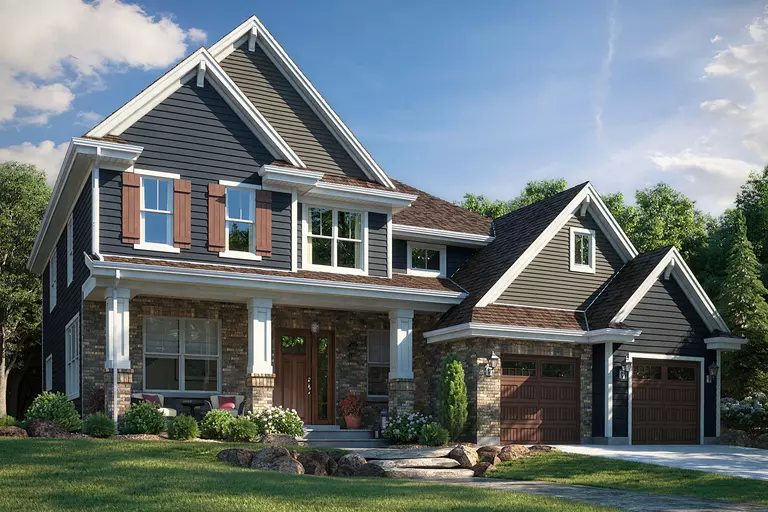
Replacing your vinyl siding solves problems and brings about several big benefits. Here’s what you can look forward to once your renovation is wrapped up.
Improved curb appeal
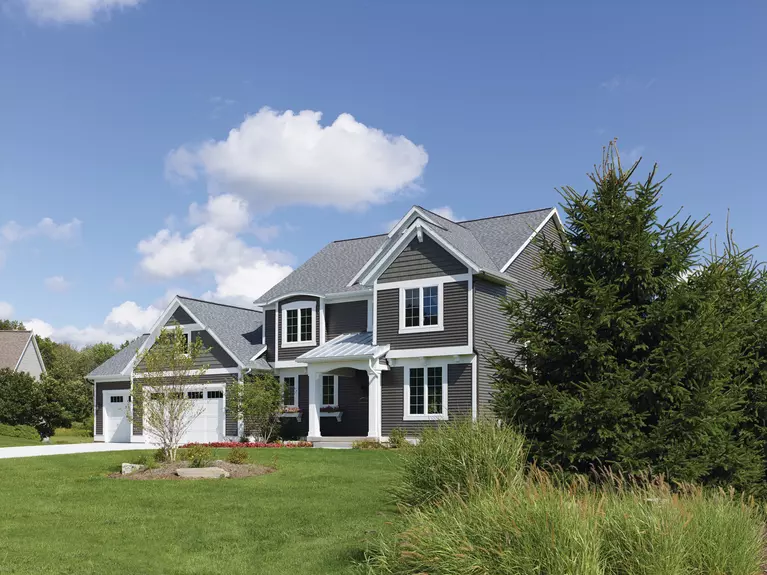
New siding can completely transform the look of your home. Whether you stick with your current color or choose something fresh and modern, new vinyl siding gives your home a clean, updated appearance that makes a strong first impression. This is especially important if you're planning to sell – homes with new siding often sell faster and for more money than homes with old, worn-out exteriors.
Better energy efficiency
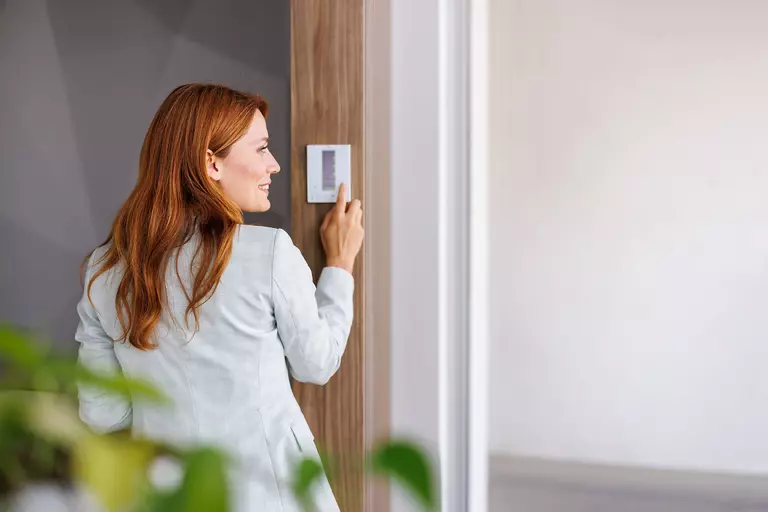
Modern vinyl siding, especially insulated options, provides better thermal performance than older products. Insulated siding adds an extra layer of protection against heat loss and air infiltration, helping your home stay warmer in winter and cooler in summer. The result? Lower energy bills, more consistent indoor temperatures, and less strain on your HVAC system.
Enhanced protection for your home
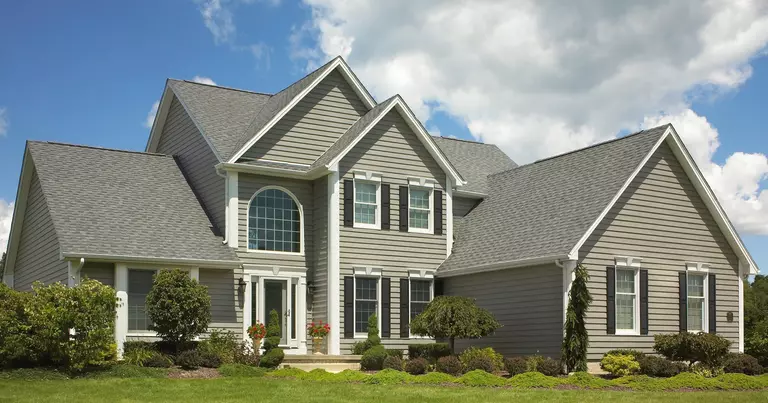
New siding creates a strong, weather-resistant barrier that protects your home from rain, wind, and moisture. It keeps water out, prevents rot and mold, and shields your home's structure from the elements. With proper installation and high-quality materials, new siding can give you decades of reliable protection.
Increased home value

Replacing your siding is one of the best investments you can make in your home. According to industry reports, vinyl siding replacement typically recoups 70-80% of its cost in increased home value, and in some markets, it can return even more. Even if you're not planning to sell anytime soon, you'll enjoy the benefits of a more comfortable, energy-efficient, and attractive home every single day.
High-quality vinyl siding options from Window World of the Blue Ridge
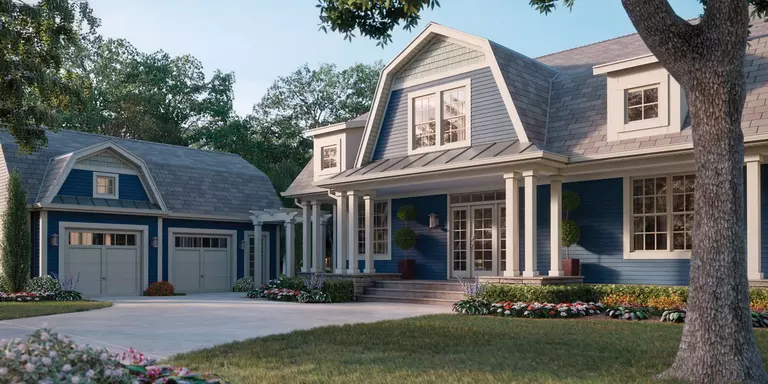
At Window World of the Blue Ridge, we specialize in high-quality vinyl siding that's built to last. Our siding products are designed to withstand the region's varied weather – from hot, humid summers to cold winter nights – while delivering outstanding performance and curb appeal.
We offer a wide range of colors, styles, and finishes to match your home's architecture and your personal taste. Whether you prefer traditional lap siding, board and batten, or something more contemporary, we have options that will make your home stand out. And if you're looking for maximum energy efficiency, ask about our insulated vinyl siding, which provides superior thermal performance and can help lower your energy bills.
Plus, our siding is backed by comprehensive warranties and installed by experienced professionals who know how to do the job right. We take pride in delivering quality workmanship that protects your home and lasts for decades.
Let Window World of the Blue Ridge help replace your siding
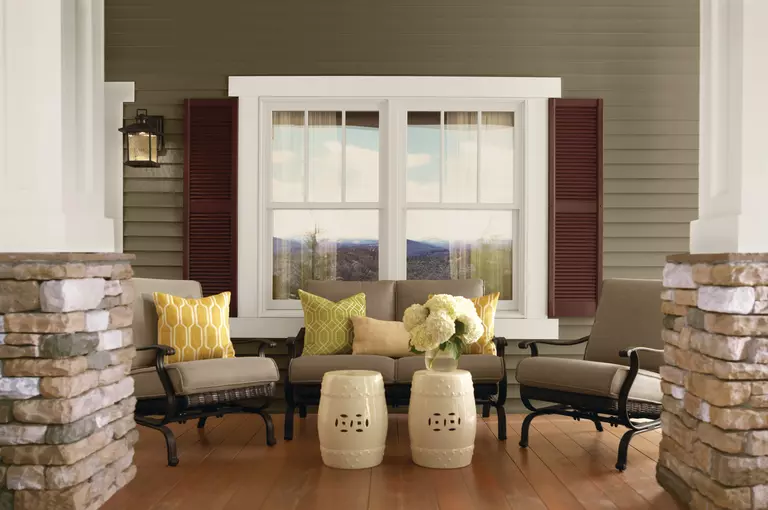
If you've noticed any of the warning signs we've discussed – cracks, warping, fading, increased energy bills, or moisture problems – it's time to take action. Waiting too long to replace your siding can lead to more extensive damage and more expensive repairs.
At Window World of the Blue Ridge, we make replacing vinyl siding easy and affordable. We offer free consultations and estimates, so you can get a clear picture of your options and costs before making any decisions. Our team will assess your current siding, discuss your goals, and recommend the best solution for your home and budget.
Don't wait until small problems become big headaches. Contact Window World of the Blue Ridge today to get your free quote and discover how new, high-quality vinyl siding can transform your home!