



 Back to Blogs
Maintenance-Free Siding: Do Options Exist?
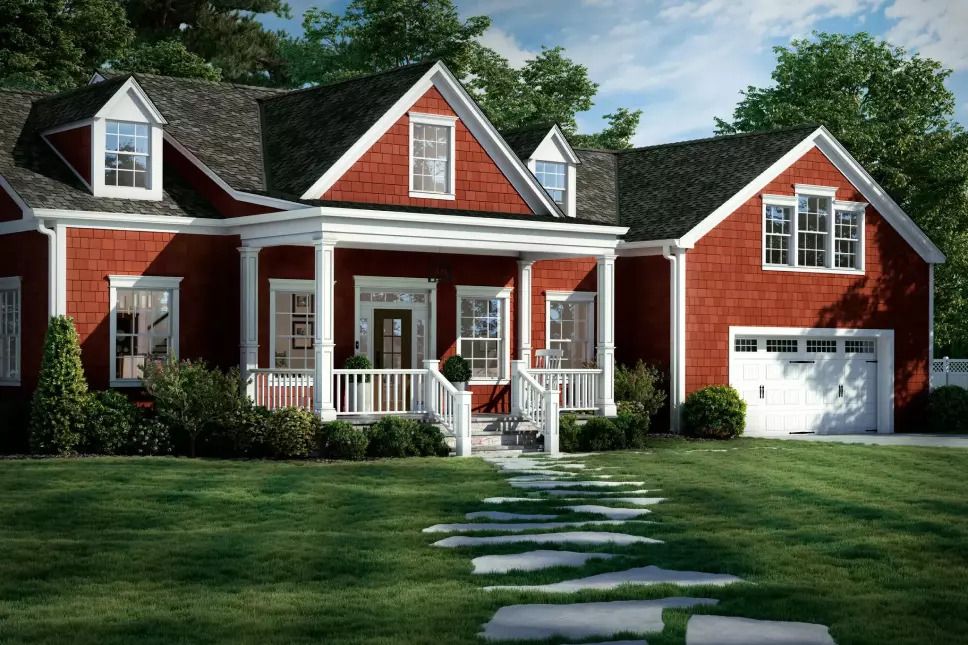
If you've owned a home with wood siding long enough, you know the cycle. A few years pass, the paint starts to fade or peel, and suddenly you're either hiring someone to repaint the whole exterior or blocking off several weekends to do it yourself. Then you do it again. And again. In our region, where moisture, freeze-thaw cycles, and wide temperature swings put real pressure on exterior materials, that cycle tends to come around faster than the calendar suggests it should.
No wonder many homeowners in our area are interested in maintenance-free siding – if it really exists.
In truth, no exterior siding material requires zero attention forever; even the best products benefit from an occasional cleaning. But there is such a thing as low-maintenance replacement siding, like modern vinyl and composite siding. Today, let’s take a closer look at these siding types and how they compare.
Wood and aluminum siding — are they worth it?
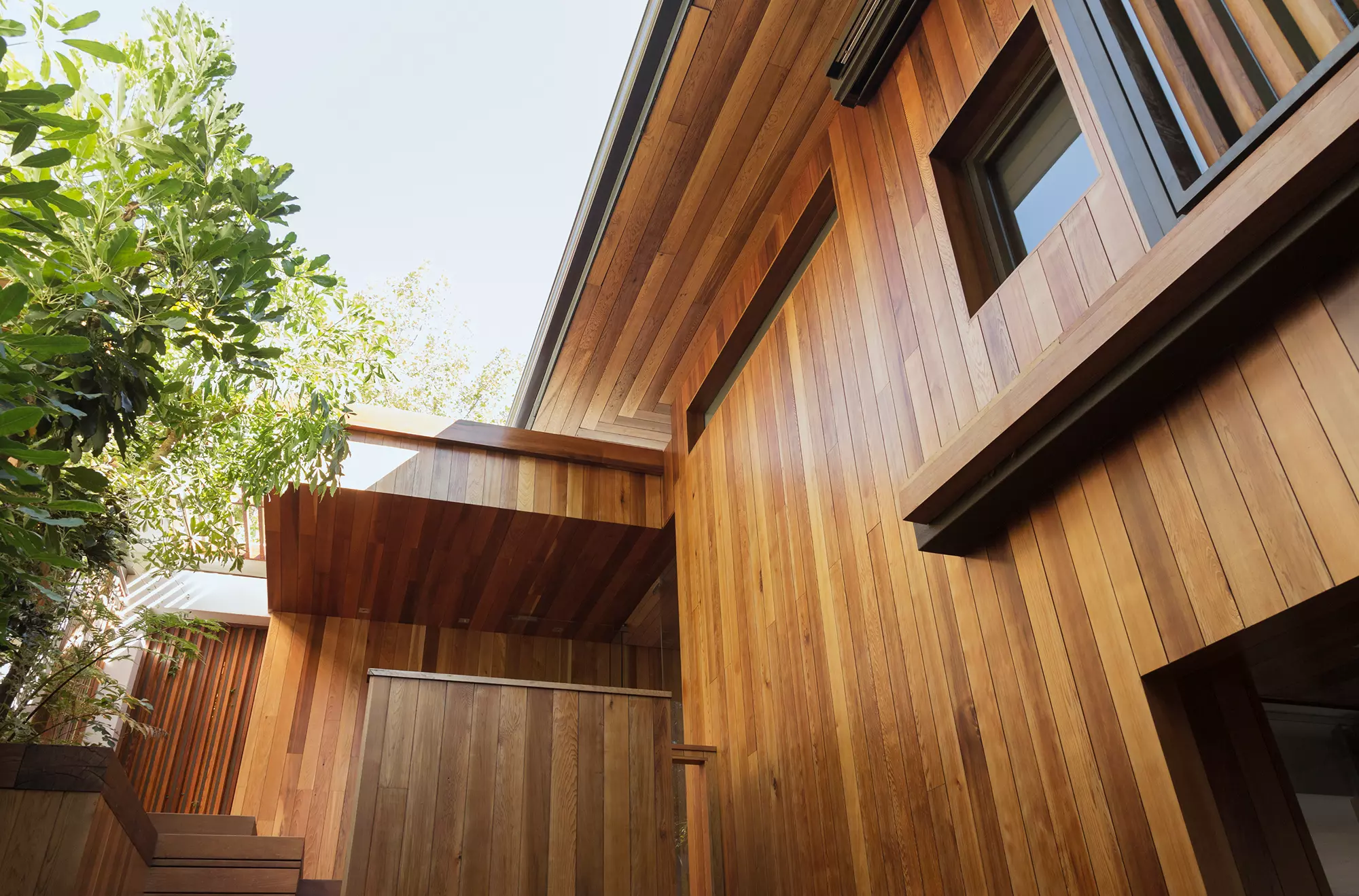
Wood siding is definitely beautiful. But it also has a lot of upkeep requirements, like:
- Repainting or restaining every three to seven years
- Regular inspection for moisture damage and rot
- In mountain environments like ours, periodic treatment for insects
The labor and cost of that upkeep add up significantly over a decade of ownership, and in a climate with lots of moisture plus wide seasonal temperature swings, the maintenance interval tends to compress rather than stretch.
Aluminum siding was once positioned as a low-maintenance alternative to wood, and in some respects it is – it doesn't rot and won't be eaten by insects. But it dents easily, fades over time, and develops a chalky surface film as it ages that eventually requires repainting to address. Both materials have their place, but for homeowners whose priority is minimizing recurring exterior maintenance, there are better modern alternatives.
The best low-maintenance siding options
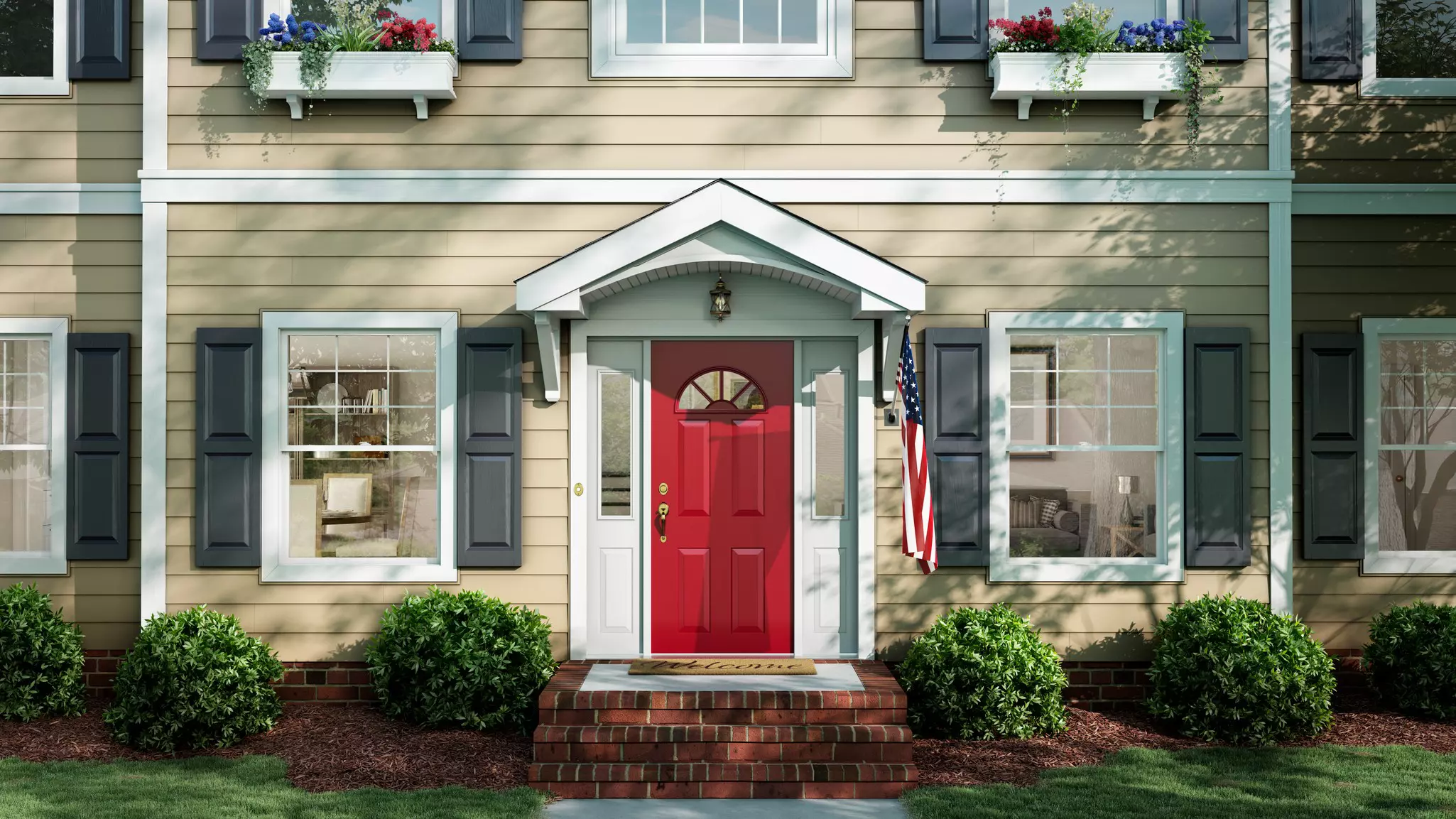
Three materials dominate the low-maintenance siding conversation today: vinyl, composite, and engineered wood. Each has its own benefits (and downsides) to keep in mind as you decide.
Vinyl siding
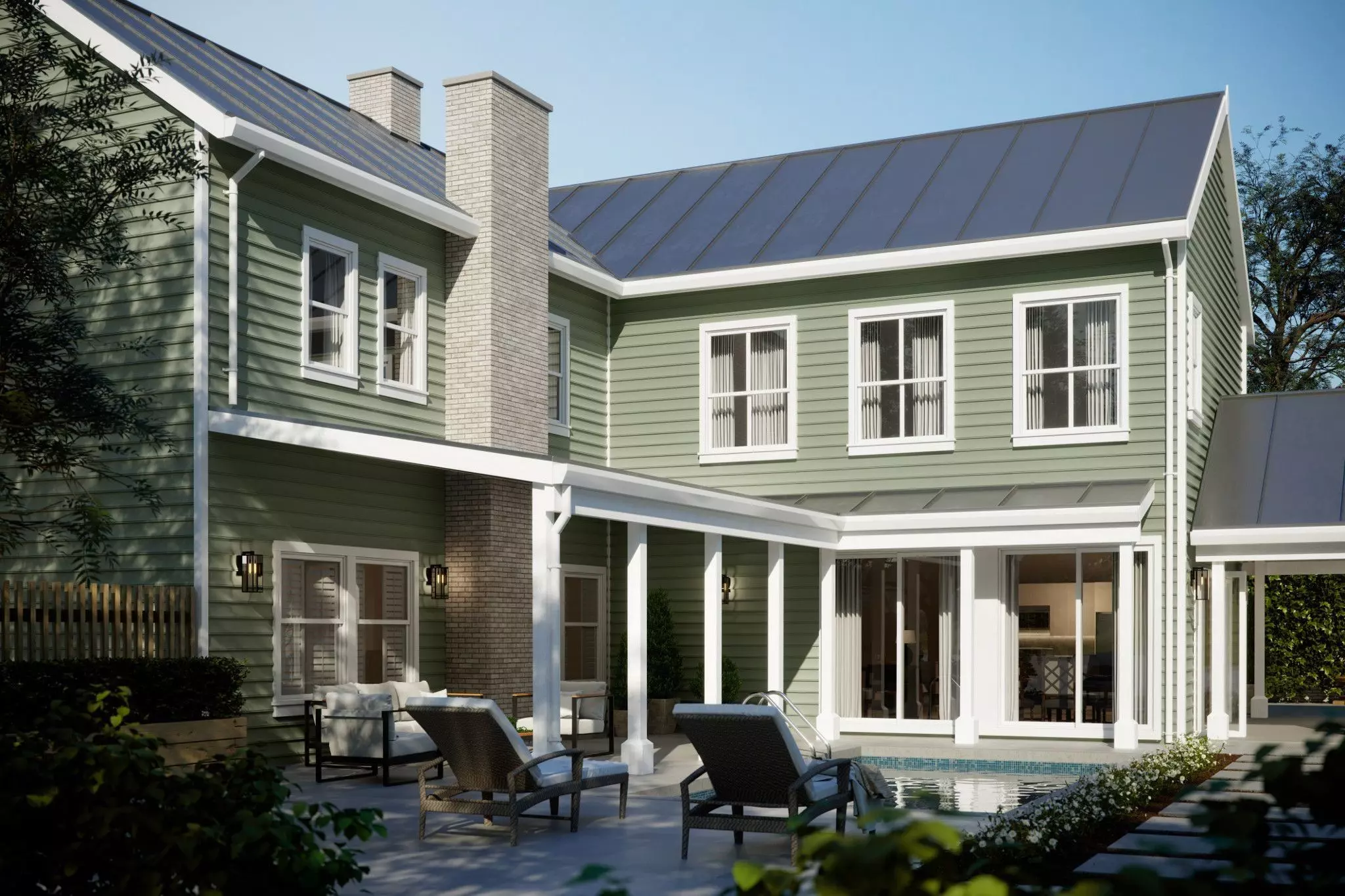
Vinyl is the most widely installed residential siding material in the country. Why? It doesn't rot, warp, or corrode. Since vinyl siding’s color runs all the way through the material rather than sitting on the surface, it never needs painting (in five years or twenty). On top of that, it's resistant to moisture in a way that wood simply isn't, which matters considerably in a region that sees year-round precipitation like ours.
Cleaning requirements are about as minimal as they get, too:
- A periodic rinse with a garden hose handles most dirt and environmental buildup
- A light scrub with a soft brush takes care of mildew in shadier spots
- No sealing, no caulking, no annual treatments required
Furthermore, modern vinyl siding has also come a long way aesthetically. The range of profiles, textures, and colors available today – including options that convincingly replicate wood grain – is much broader than what older vinyl products offered.
With all that said, it’s true that vinyl can crack or dent from significant impact, and lower-quality products can fade or become brittle over time in areas with high UV exposure. That's why Window World of the Blue Ridge carries vinyl siding in multiple series, with heavy-duty options like the 4000 Series and the insulated 6000 Series siding packages offering thicker profiles, better fade resistance, and improved long-term durability. The right tier depends on your home and your priorities, and it's something our team can help you think through.
Composite siding (Everlast)
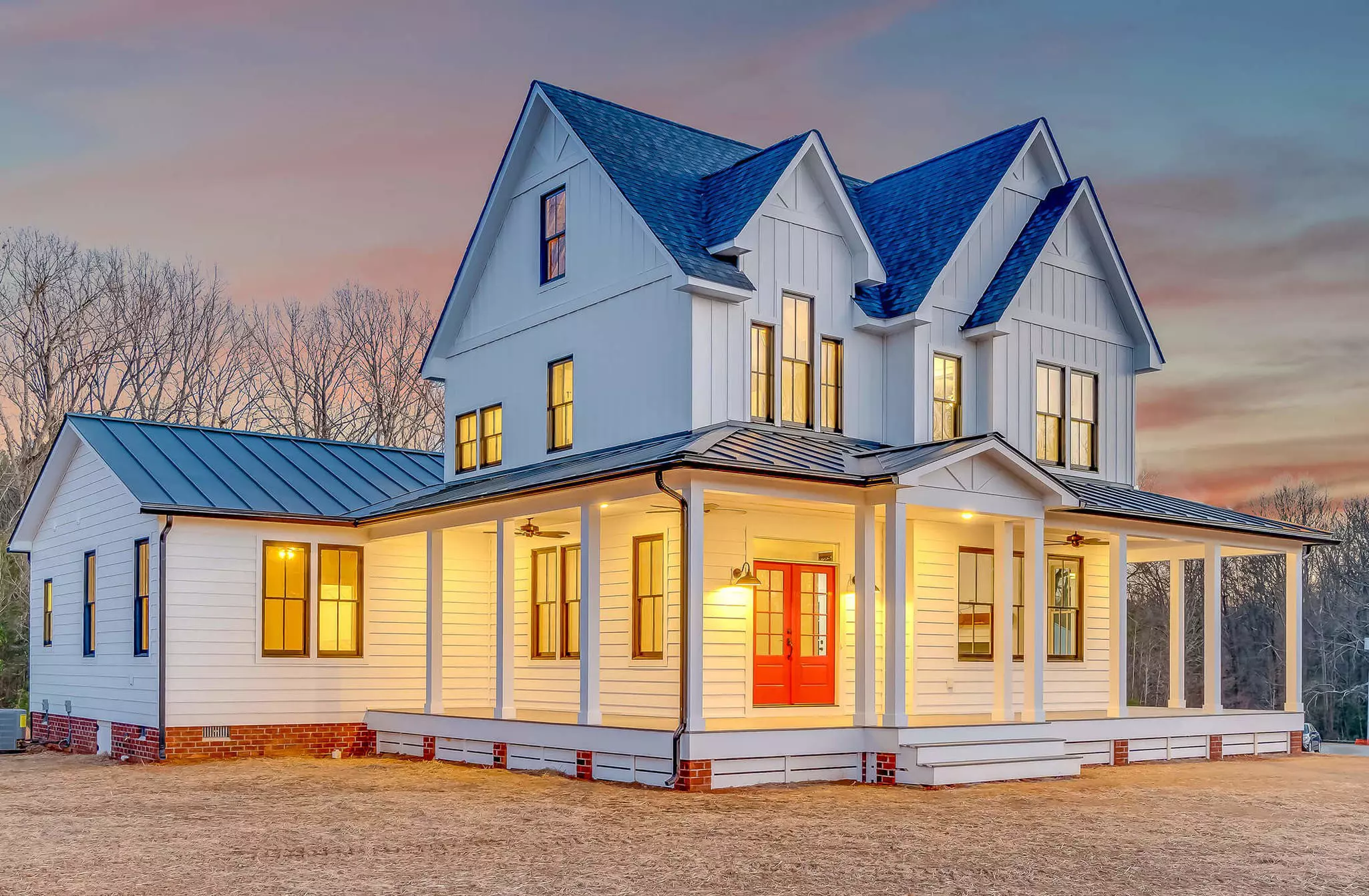
If vinyl is the professional standard, composite siding is the premium tier. Everlast composite siding, which we carry at Window World of the Blue Ridge, is made from an inorganic polymer composition engineered to address the weaknesses of both wood and standard vinyl. Because it contains no organic material:
- There's nothing in it that can rot, absorb moisture, or be compromised by insects
- The color is baked into the material rather than applied as a surface coating, giving it exceptional fade resistance even under years of UV exposure
- Composite siding is impact-resistant in a way that standard vinyl isn't, which means it’s better equipped to handle the physical demands of a mountain climate where hail, wind, and debris are occasional facts of life
Cleaning is similarly minimal – occasional washing is all it needs. There’s no painting, no sealing, and no maintenance schedule to keep track of.
The tradeoff is upfront cost. Composite siding carries a higher price tag than vinyl, and that's worth acknowledging plainly. But in the long term, it’s a solution that needs no repainting, resists moisture and impact, and holds its color for decades.
Engineered wood siding
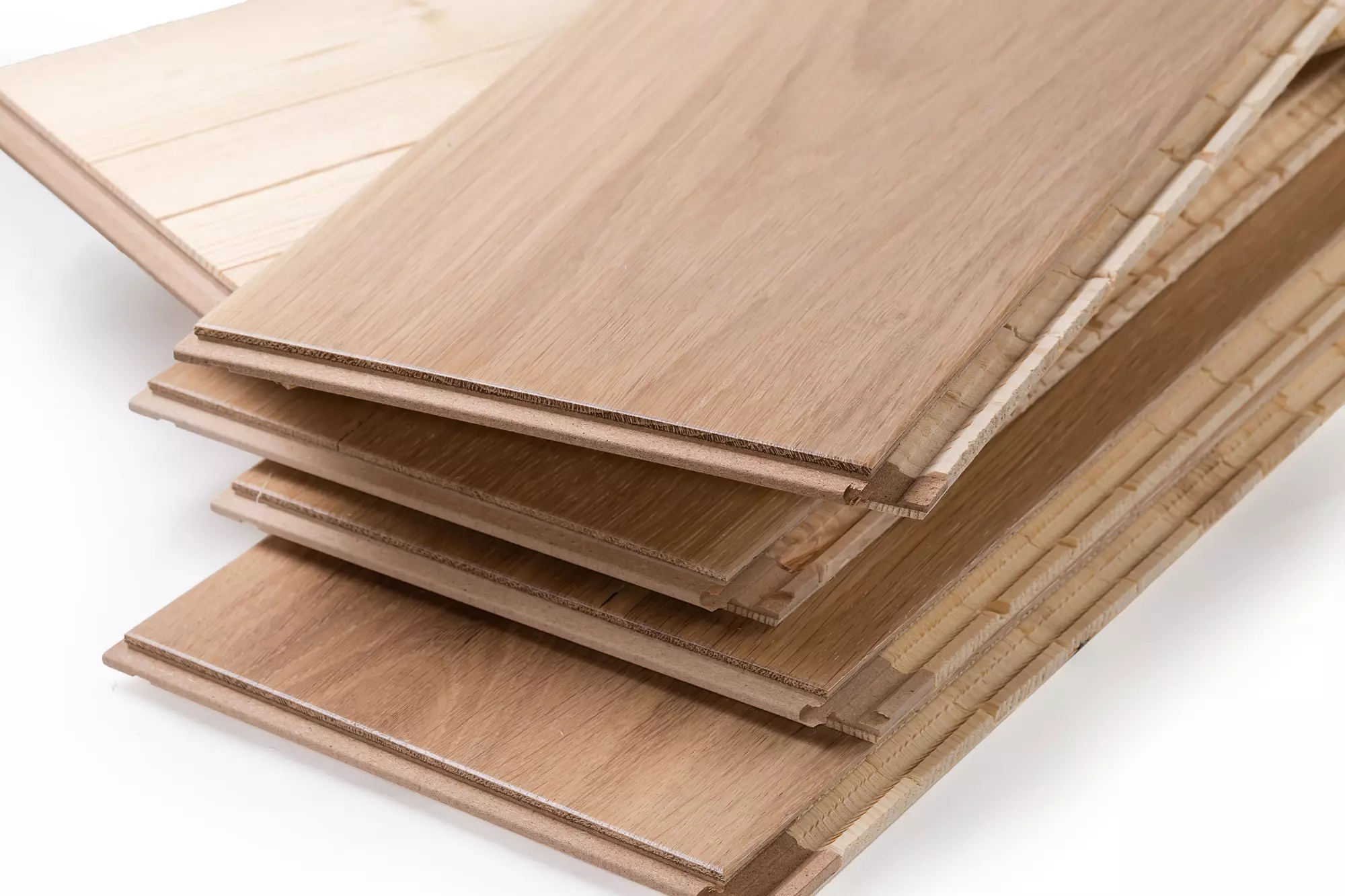
We’d be remiss not to mention engineered wood here since it often comes up as a low-maintenance siding option.
Made from wood fibers and cellulose fibers bound with resin and compressed under pressure, engineered wood siding offers a more authentically wood-like appearance than vinyl. It has a closer grain, more depth, and the perfect look for homeowners who love wood but not its maintenance demands. Of course, it requires much less upkeep than real wood, which is a genuine step forward.
However, it's not in the same category as vinyl or composite for true low-maintenance performance because:
- It typically needs repainting or restaining every eight to ten years
- It should be inspected periodically for moisture intrusion at joints and cut edges – a real consideration in a wet climate like ours
It's still a decent option for homeowners who strongly prefer a wood aesthetic and are willing to accept some maintenance in exchange for it. But if minimal upkeep is the primary goal, vinyl and composite are stronger picks.
What to consider when choosing low-maintenance siding
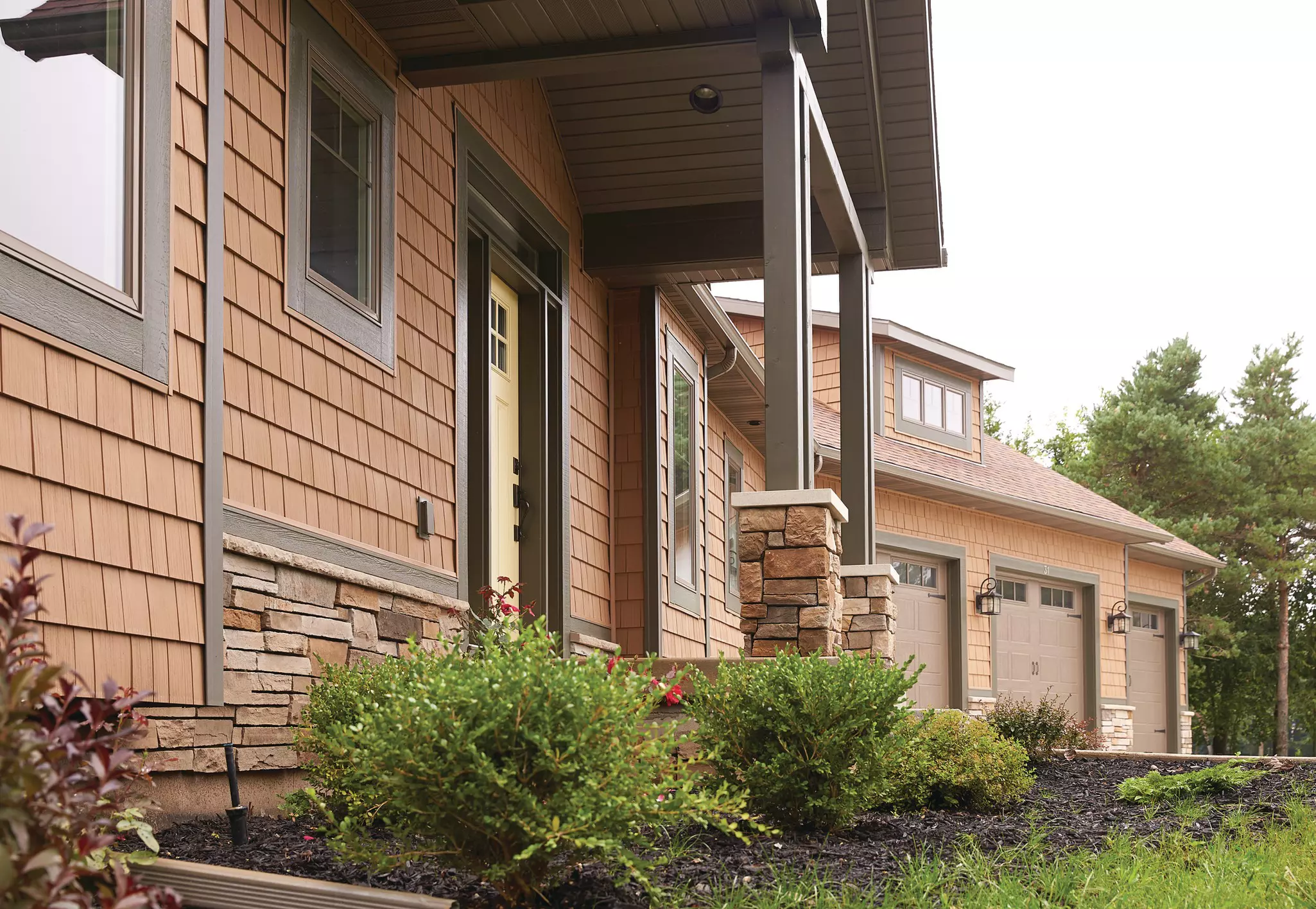
With the options laid out, a few questions can help you narrow it down for your specific home.
- How demanding is your climate? In northwest North Carolina, moisture, freeze-thaw cycles, temperature swings, and UV exposure at mountain elevations all put more pressure on exterior materials than milder climates do. Composite holds up best under those conditions; quality vinyl is a strong second.
- What aesthetic are you going for? Vinyl offers the widest range of profiles and colors at an accessible price point. Composite offers premium aesthetics – with richer texture and more depth – plus superior durability. Engineered wood offers the most authentic wood look, at the cost of more maintenance. Getting the profile and texture right for your home's architecture matters for both curb appeal and long-term satisfaction.
- What's your budget and timeline? Vinyl is the most accessible choice. Composite costs more initially but may cost a little less over the long haul. Overall, the cheapest siding is rarely the one with the lowest total cost of ownership, especially in a climate that accelerates wear on materials that aren't built for it.
- What does your home's architecture call for? A craftsman home needs different siding than a modern home. For example, a more traditional house in Wilkesboro may suit a different texture than a contemporary build in the mountain communities of Ashe County. If you’re not sure what fits best, knowledgeable, local professionals can help you narrow down your options.
Find the right siding for your home at Window World of the Blue Ridge
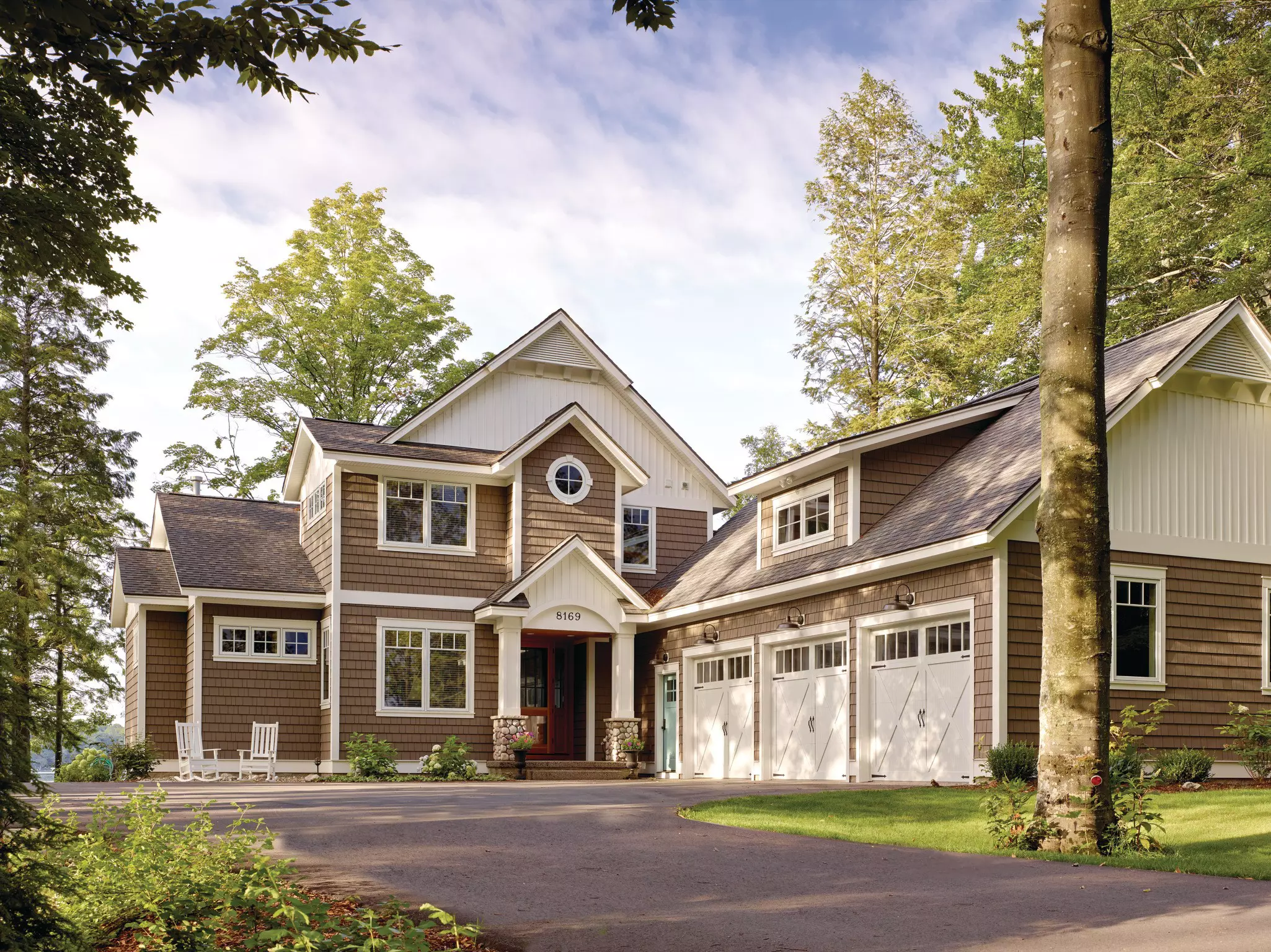
At Window World of the Blue Ridge, we carry vinyl siding in multiple series – including board and batten options – and Everlast composite siding, both engineered for low maintenance and long-term performance in a climate that asks a lot of exterior materials. Our products are backed by strong warranty coverage and built from US-sourced materials.
The right siding choice is one you make once and don't think about again for decades. We'd love to help you get there. Request your free in-home consultation and let's figure out the best fit for your home together.