



 Back to Blogs
What Is Composite Siding, and How Does It Compare to Vinyl?

When it’s time to find new siding for your home, material matters just as much as paint color – if not more! The type of siding you choose can affect your home’s insulation and comfort, the durability of your house, and even the stability of your property over the decades to come.
As you shop around for siding for your Blue Ridge home, you’ll come across many great options. Today, let’s compare composite siding vs. vinyl siding and help you determine which is best for your home.
What is composite siding?
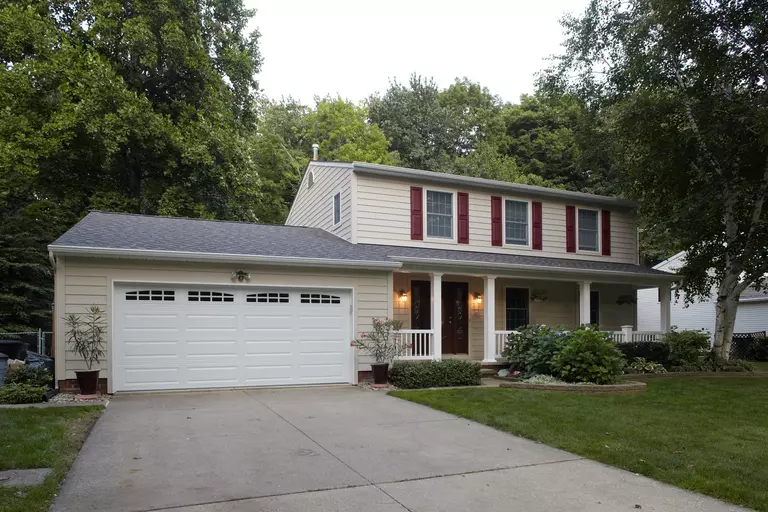
Composite siding is a composite of several ingredients into a relatively light and strong material. In most cases, composite siding is made up of wood, fiberglass, and binding resins, all bundled together into durable panels that can be colored or painted in many different shades.
There are a variety of sub-types of composite siding, such as engineered wood siding. Fiber cement siding is another close option – it even sounds like it’s composite siding – but it's not exactly the same thing. Fiber cement siding doesn't typically include wood. Instead, it's made of cement, water, sand, cellulose fibers, and a few other elements to boost durability.
What is vinyl siding?
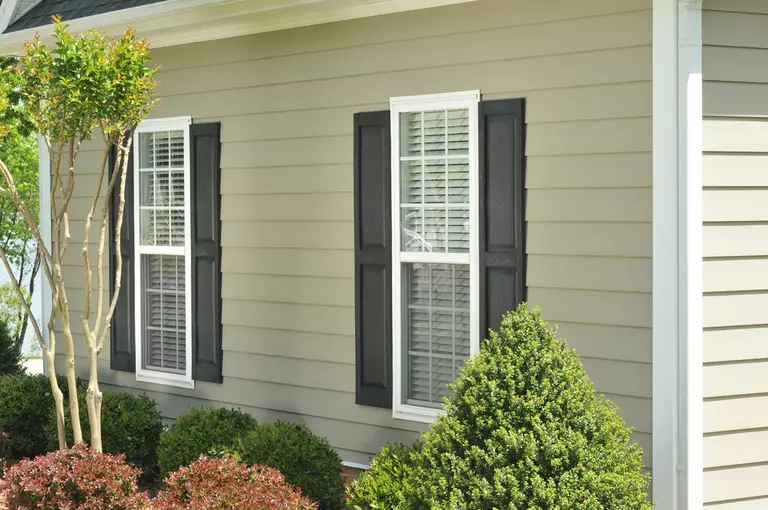
Vinyl siding is a cost-effective siding type made of polyvinyl chloride or PVC. It includes synthetic fibers, binding components, and filler materials like resin. Vinyl siding is likely the most common type in homes around the country thanks to its versatility and affordability.
Comparing composite siding vs. vinyl
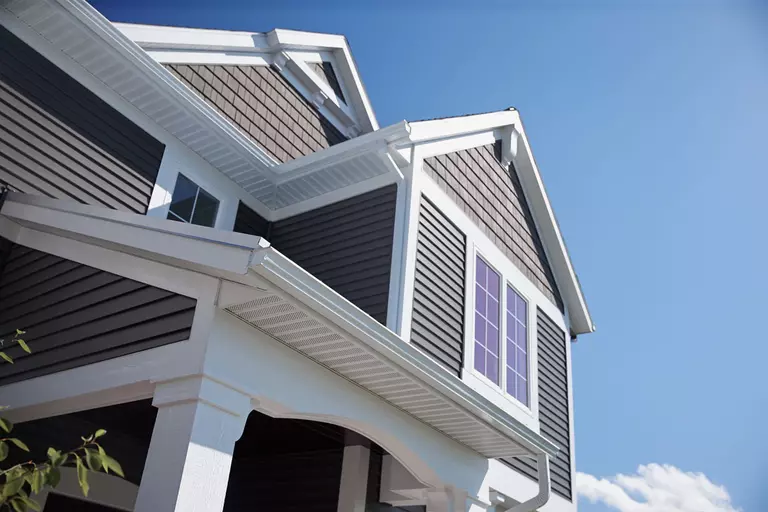
Composite siding and vinyl siding can both be excellent options, especially if you need to replace all the siding on your Blue Ridge home. However, there are some key differences between these siding materials that might make one or the other the top choice overall for your needs and budget.
Siding durability
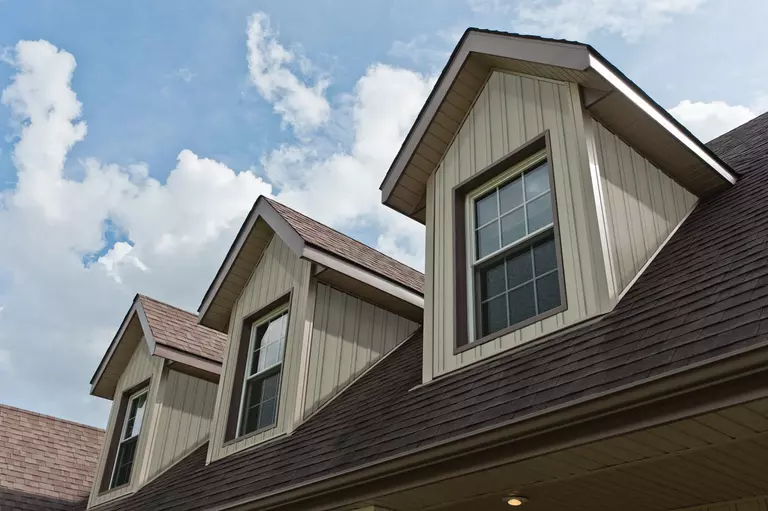
Composite siding is very durable, especially against hazards like moisture, rock, and insect damage. Vinyl siding can withstand its fair share of wear and tear, but it’s not quite as resilient as composite siding panels.
Home stability

There’s a larger difference between vinyl and composite siding in terms of stability. You see, when vinyl siding gets thoroughly wet (say, if it gets soaked in a summer storm), it could expand as it takes on water. That expansion might interfere with or change the stability of your house, causing strain to its bones.
Composite siding doesn’t have the same reaction, nor does it become as saturated with water in rainy weather. Because of this difference, composite exterior siding is a better long-term choice for home stability.
Insulation

Composite siding is also insulated by default. Insulated siding is an increasingly popular option for homeowners because it reduces utility bills and improves a home's overall thermal envelope. The result? A cooler home in the summer and a warmer home in the winter.
Vinyl siding can be insulated if you specifically choose insulated vinyl siding – Alside’s Prodigy Next-Generation Insulated Siding is one example, offering energy efficiency and style in spades. But the most affordable vinyl siding offers won’t be insulated automatically.
Appearance options
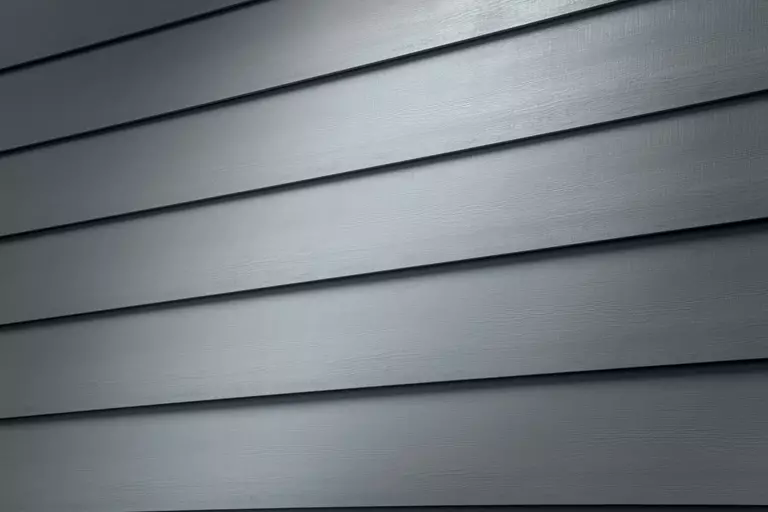
Vinyl and composite siding are both available in a plethora of different colors and aesthetic styles. If you have a specific color in mind, rest assured you’ll be able to find it in either siding type!
However, you’ll often be able to find composite siding with a natural woodgrain look; choose this if you want your home’s siding to have the visual appeal of wood without the maintenance headaches. Everlast Board & Batten Siding, for instance, mimics the look of American cedar boards – and you can find it in over a dozen distinct colors.
Maintenance requirements

Vinyl siding usually demands more maintenance from a homeowner than composite siding. It benefits from a regular cleaning schedule to avoid signs of age or the potential for mold or mildew to grow. After many years, the color of vinyl siding can begin to fade, but it’s important to check your warranty before picking up a brush or roller – painting siding will void most warranties.
Composite siding’s color will also fade with time, though more gradually than vinyl siding in most instances. As a side effect of its enhanced durability, composite siding looks better for longer without needing maintenance as frequently. The same warranty concerns apply when considering painting composite siding.
Cost of siding
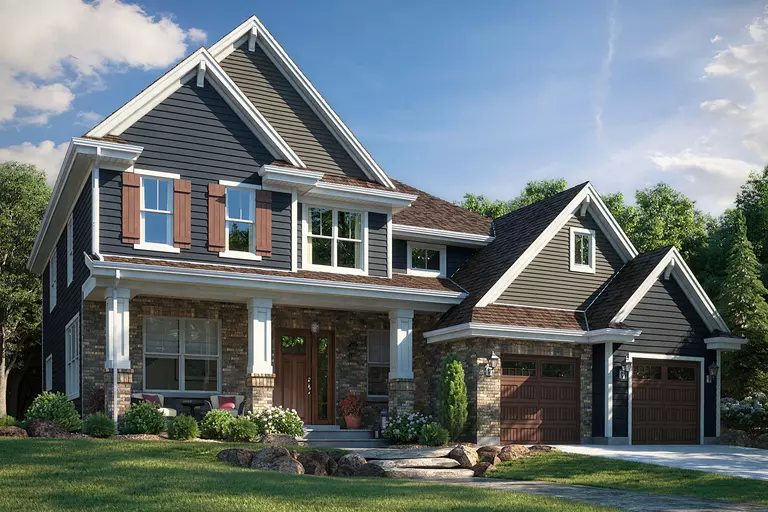
The most important element in choosing a siding type could be cost! On average, homeowners spend about $11,500 to replace all the siding on their homes. This is a good estimate if you plan to use composite siding, although you’ll pay significantly less if your home already has composite siding panels and you just need to replace a few.
Vinyl siding is typically more affordable (although not always – if you opt for insulated vinyl siding, you could find it comparable in price to composite siding). The most affordable vinyl siding is $4-$5 per square foot.
Overall, the cost of composite siding vs. vinyl siding is around the same, with composite being a little more expensive on average.
Which siding should you choose?
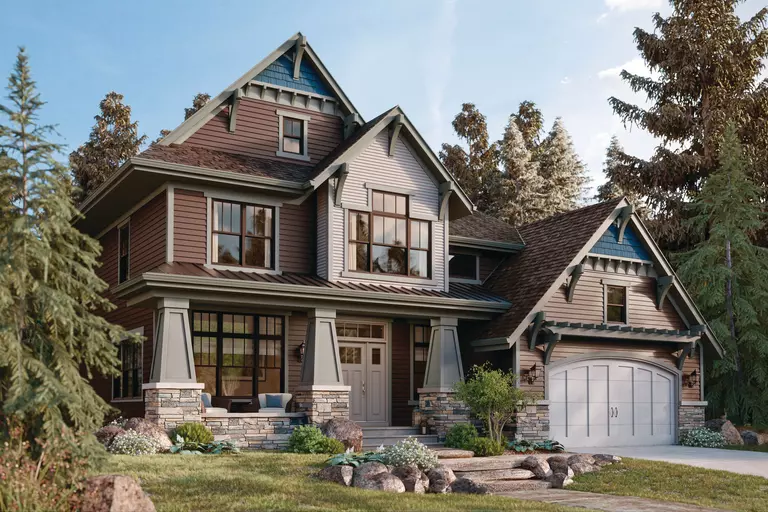
When all is said and done, when looking at composite vs. vinyl siding, they can both seem like strong choices. So, which should you pick?
Composite siding might be an overall better choice if you’re looking for a longer-lasting, more durable siding option. It may be a little more expensive than vinyl siding on average, but you could save money in aggregate when your home’s composite siding panels last longer than vinyl panels.
Need a more affordable option, or are you trying to replace old vinyl panels on the side of your home before moving out? Vinyl could certainly do the trick! In any case, it’s a good idea to talk to a siding professional before deciding one way or the other.
Window World of the Blue Ridge has both vinyl and Everlast composite siding for your home, and our experienced siding installers can help you make the best choice for your property and your wallet. Contact us online, request a free quote, or visit us today to learn more!