


 Back to Blogs
Vinyl vs. Wood-Clad Windows: Which Is Right for Your Home?
When you're ready to replace your home's windows, frame material can affect everything from appearance and maintenance to cost and long-term performance. Two popular options, vinyl windows and wood-clad windows, meet many of the same needs in pretty different ways.
Vinyl provides a practical, low-maintenance solution, while wood-clad windows combine a natural wood interior with protective exterior cladding. Both can be great replacement choices depending on the home, budget, design goals, and amount of upkeep a homeowner prefers.
So today, let's take a closer look at how vinyl and wood-clad windows compare in cost, maintenance, durability, energy efficiency, and appearance to help narrow the choice.
What are vinyl and wood-clad windows?
Before comparing these two window frame materials, it helps to understand how they're constructed. Although both can provide energy-efficient replacement options, their frame materials create big differences in appearance, maintenance, and customization. Here's a breakdown:
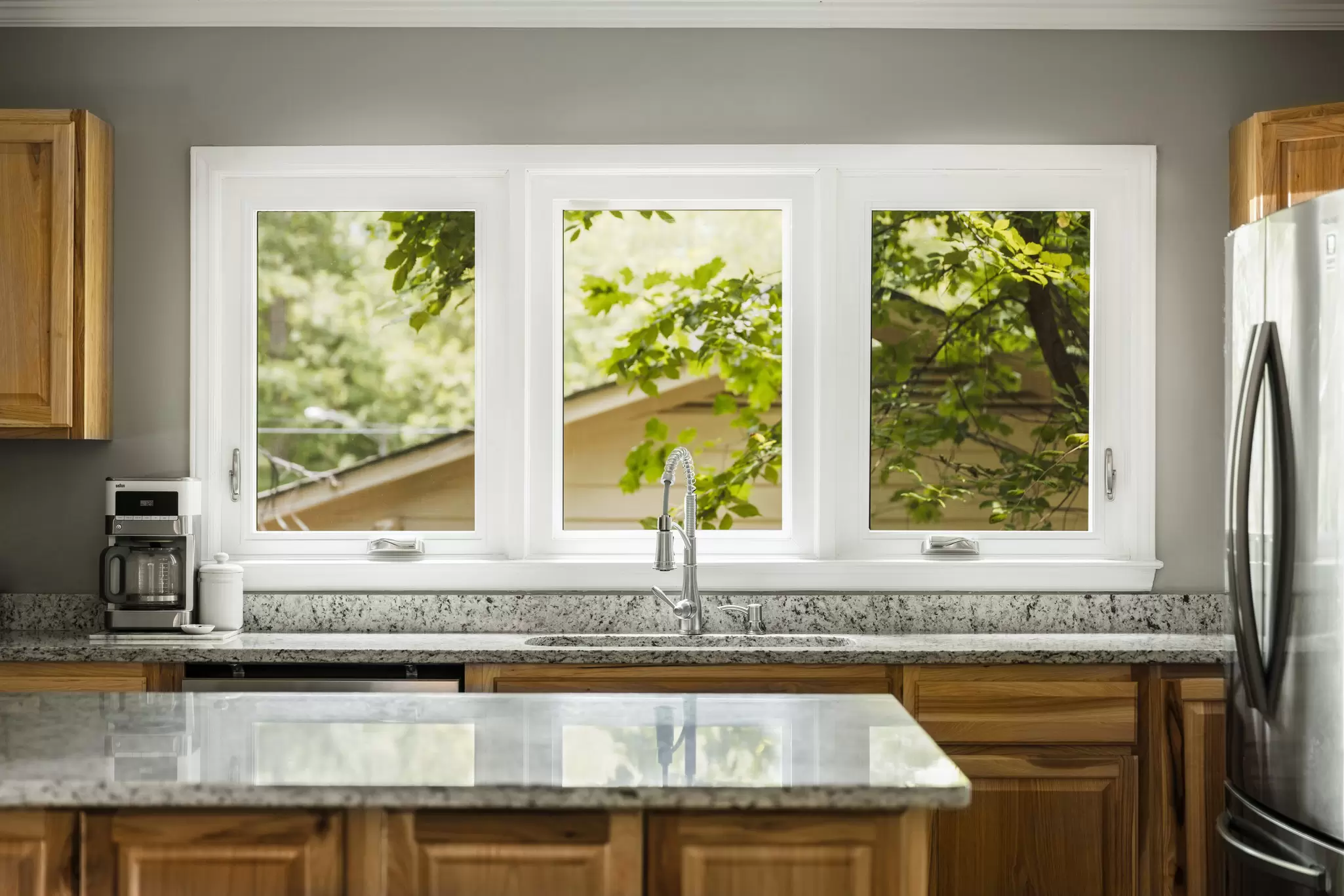
- Vinyl windows – Made with durable PVC frames, vinyl windows are known for their combination of performance, value, and low maintenance. They resist moisture, don't require routine painting or staining, and are available in a range of styles and finishes.
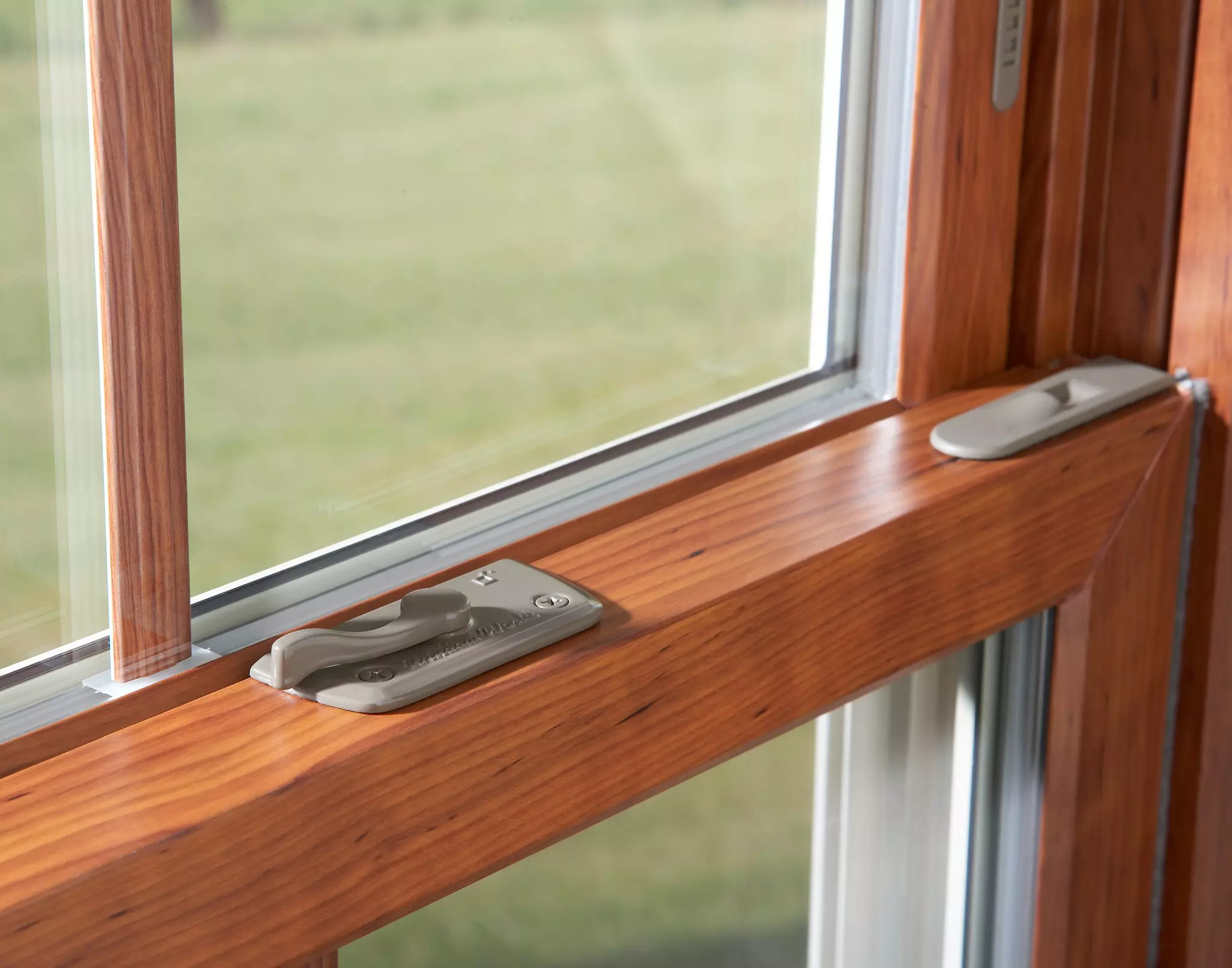
- Wood-clad windows – These windows feature real wood on the interior with protective material covering the exterior. Window World of the Blue Ridge's Premium Wood-Clad Windows pair natural wood interiors with heavy-duty extruded aluminum cladding, providing the warmth of wood indoors while protecting the exterior from weather exposure.
Both materials offer distinct advantages. In short, vinyl prioritizes easy upkeep and value, while wood-clad combines a natural wood interior with added exterior protection.
Vinyl vs. wood-clad windows: key differences
Choosing between vinyl and wood-clad windows often comes down to the features that matter most for the project. Cost, maintenance, energy performance, appearance, and longevity can all influence the decision, so let's take a closer look.
Cost
Vinyl windows are generally the more budget-friendly option, particularly when replacing multiple windows at once. Premium wood-clad windows typically cost more because of their real wood interiors, exterior cladding, customization options, and more detailed construction. Of course, the exact pricing varies by window size, style, features, and installation requirements.
For a closer look at what drives the numbers, see our guide to window replacement cost. Financing options are also available with approved credit, which can make a premium material easier to fit into a project budget.
Maintenance and durability
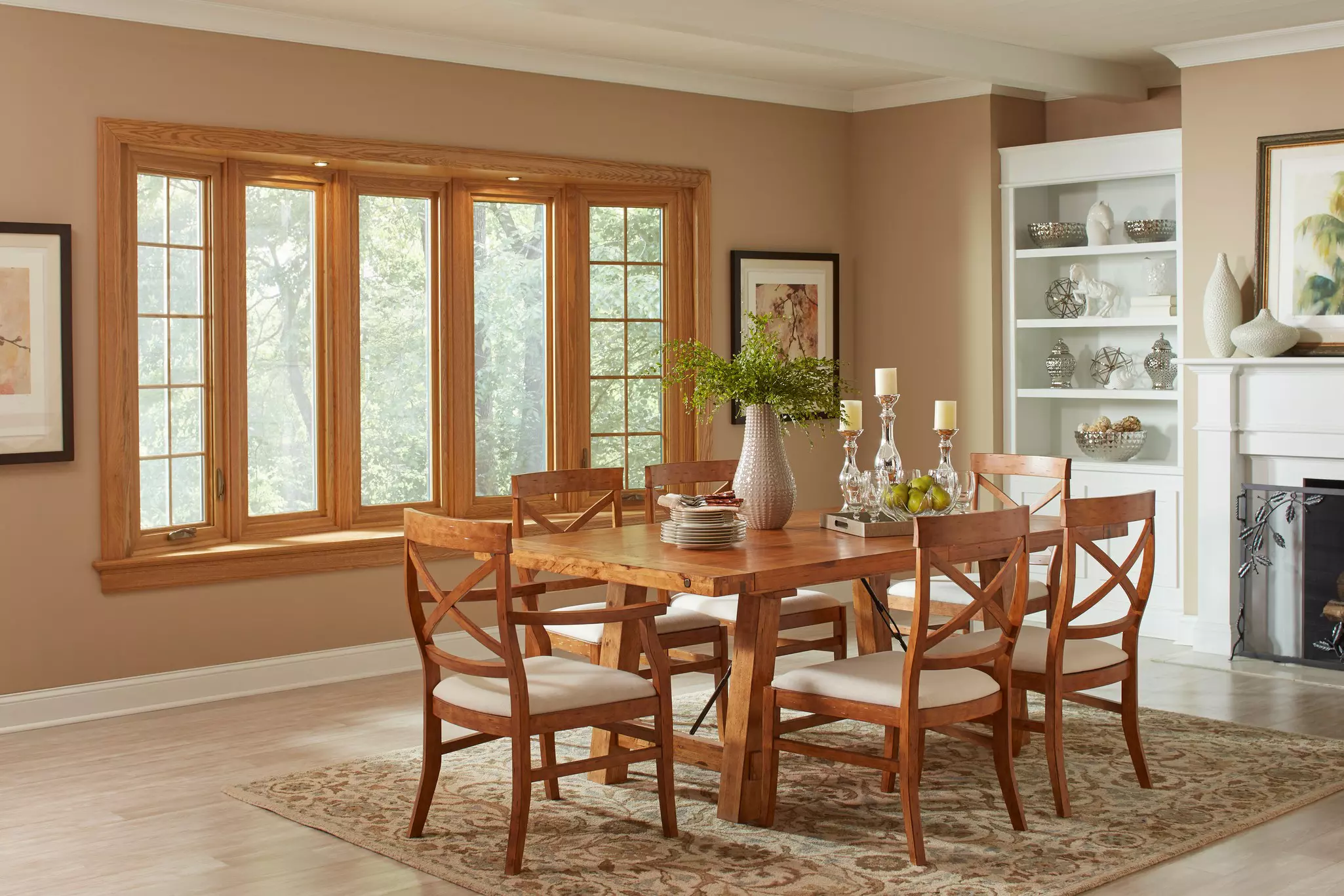
Vinyl requires relatively little upkeep and doesn't need routine painting or staining. Wood-clad windows reduce the exterior maintenance associated with traditional all-wood windows by protecting the outside with weather-resistant cladding, although the natural wood interior still requires appropriate care. Both materials can provide long-term durability when properly installed and maintained.
Energy efficiency
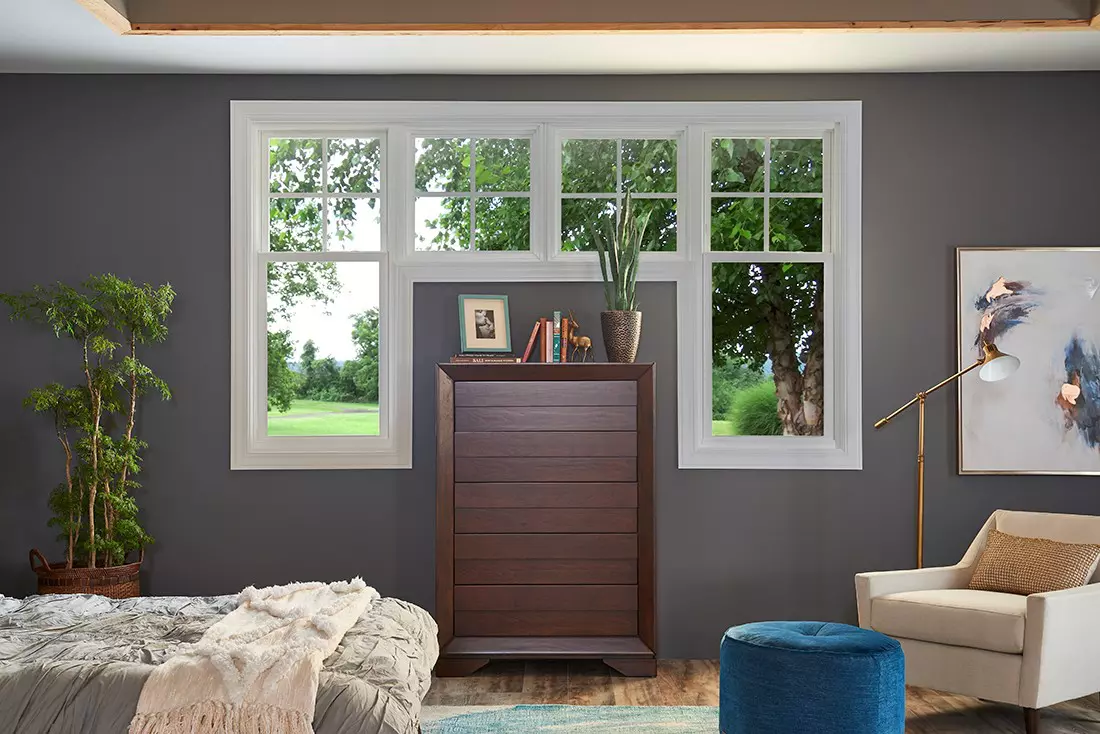
Both vinyl and wood-clad windows can provide strong energy performance when paired with quality glass packages and proper installation. After all, glass, gas fills, weatherstripping, frame construction, and installation quality all contribute to the performance of the complete window, so frame material shouldn't be considered on its own.
Appearance and customization
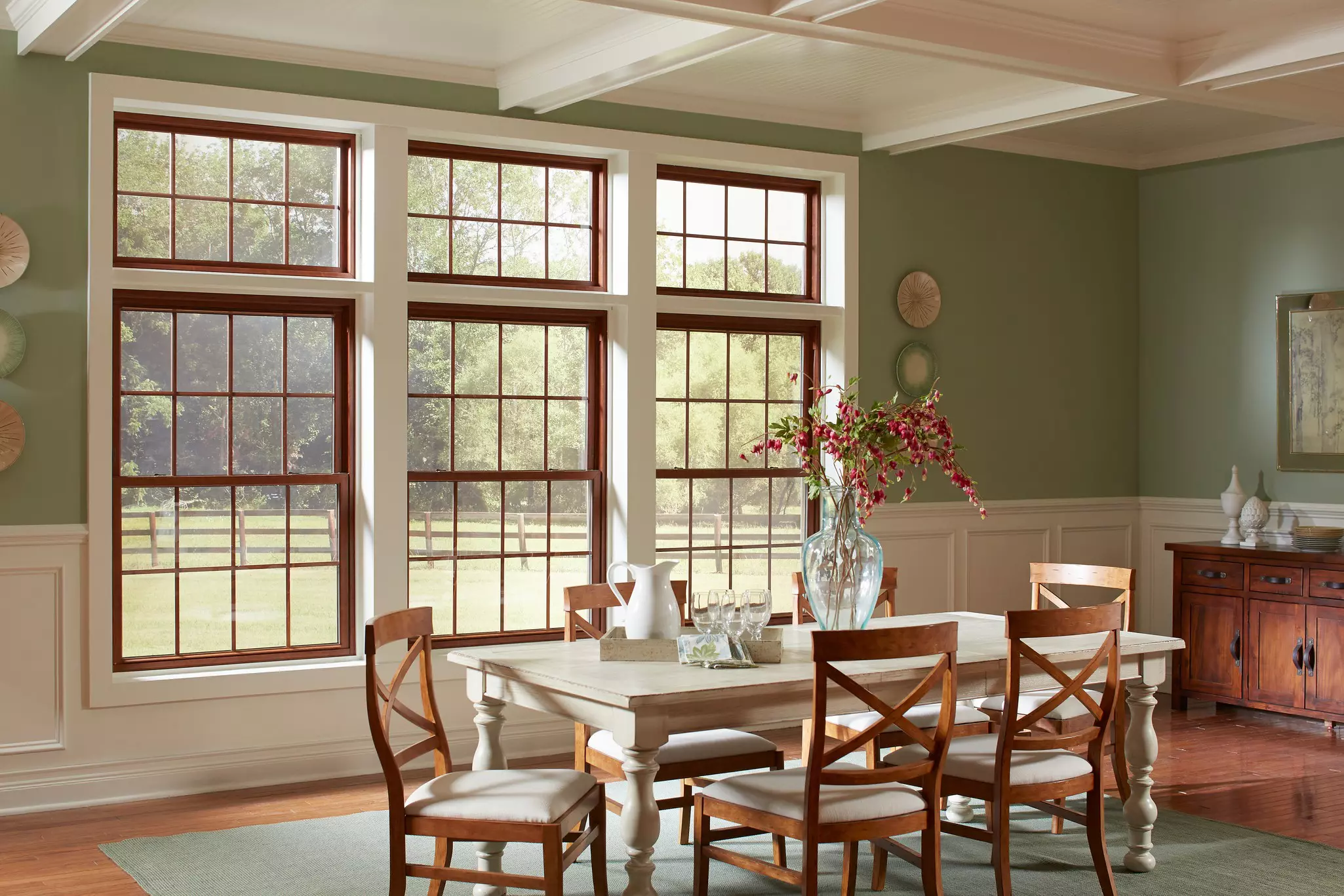
Vinyl provides a clean, consistent appearance that complements a wide range of home styles. On the other hand, wood-clad windows offer the warmth and character of real wood indoors, along with additional opportunities to coordinate the windows with existing trim, cabinetry, millwork, or other architectural details.
Lifespan
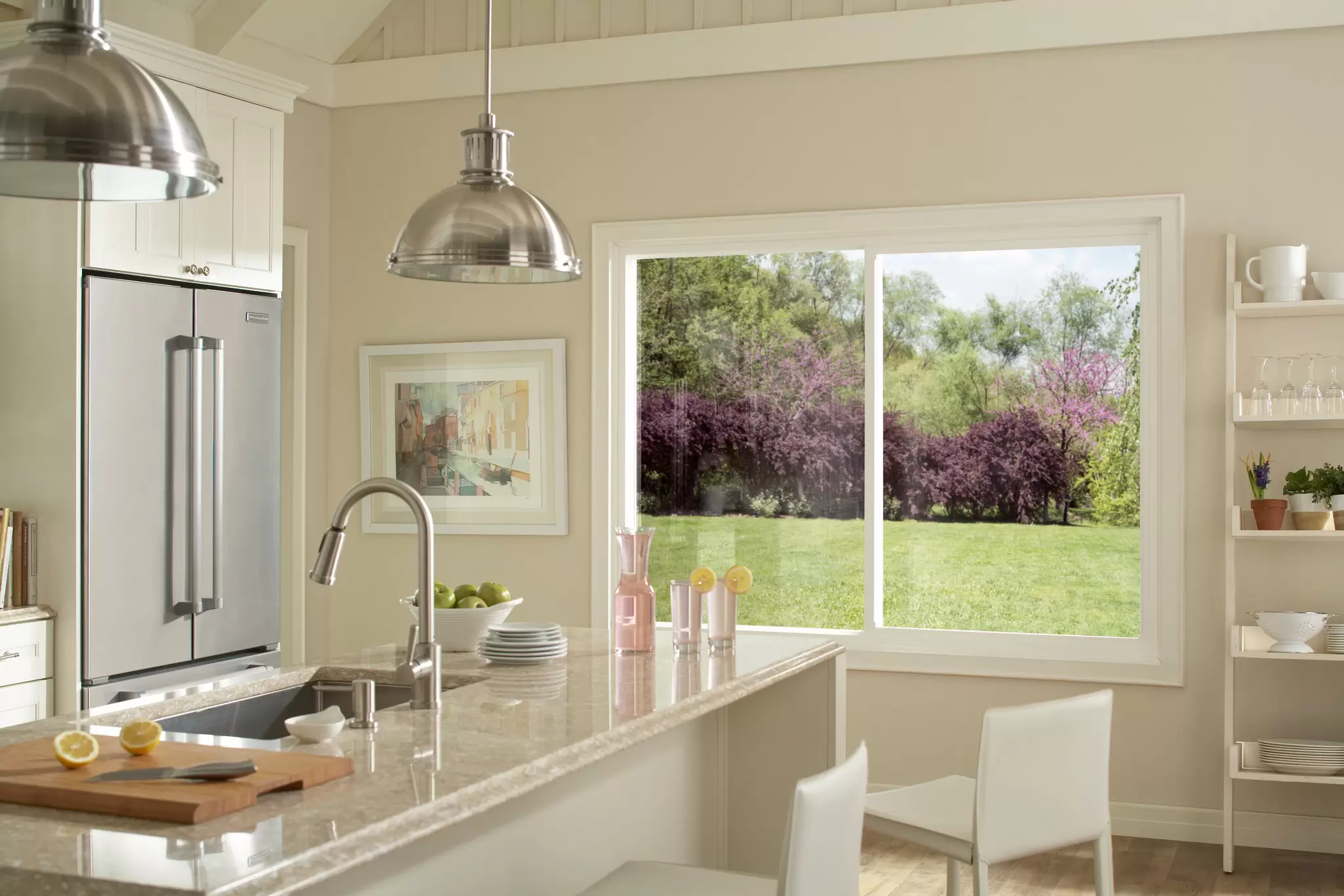
Both materials can last for decades when they're well made, properly installed, and appropriately maintained. Vinyl provides long-term performance with minimal upkeep, while wood-clad windows require some care of the interior wood to maintain their appearance over time.
Pros and cons of vinyl windows
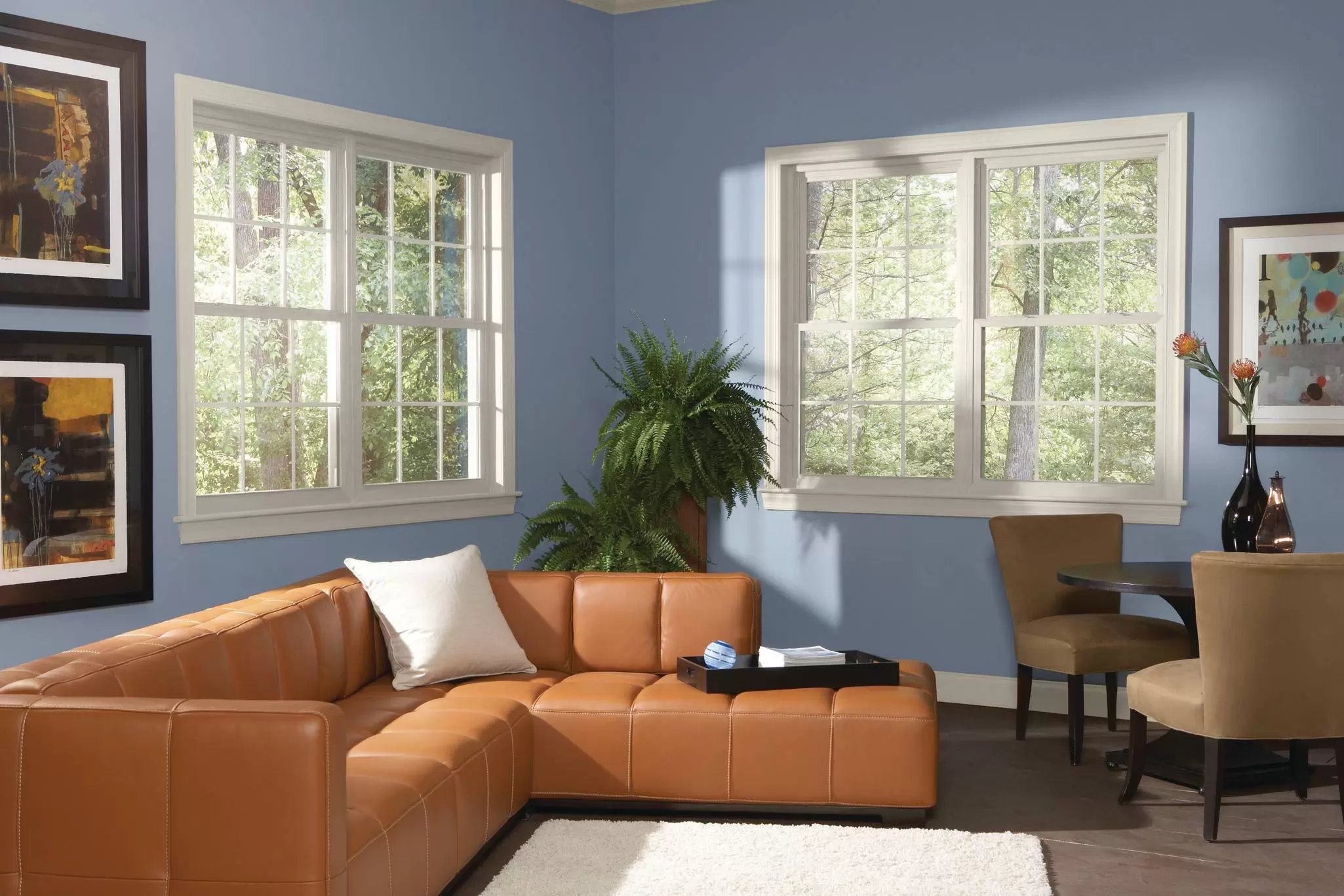
In general, vinyl windows are popular for their combination of affordability, energy efficiency, and low maintenance. Because the frames resist moisture and don't require routine painting or staining, they can be especially practical for homeowners who want to minimize exterior upkeep. They also work well for larger replacement projects where overall cost matters.
Pros
- Budget-friendly compared with premium wood-clad options
- Minimal maintenance and no routine painting
- Resistant to moisture and rot
- Energy-efficient options available
- Range of colors, finishes, and window styles
Cons
- Doesn't provide the same natural wood appearance indoors
- Fewer refinishing options after installation
- May offer fewer premium customization choices than wood-clad products
For many homes, the biggest advantages of vinyl windows come down to simplicity and value. Vinyl offers a durable, easy-to-maintain option without requiring homeowners to give up choices in window style or energy-efficient features.
Pros and cons of wood-clad windows
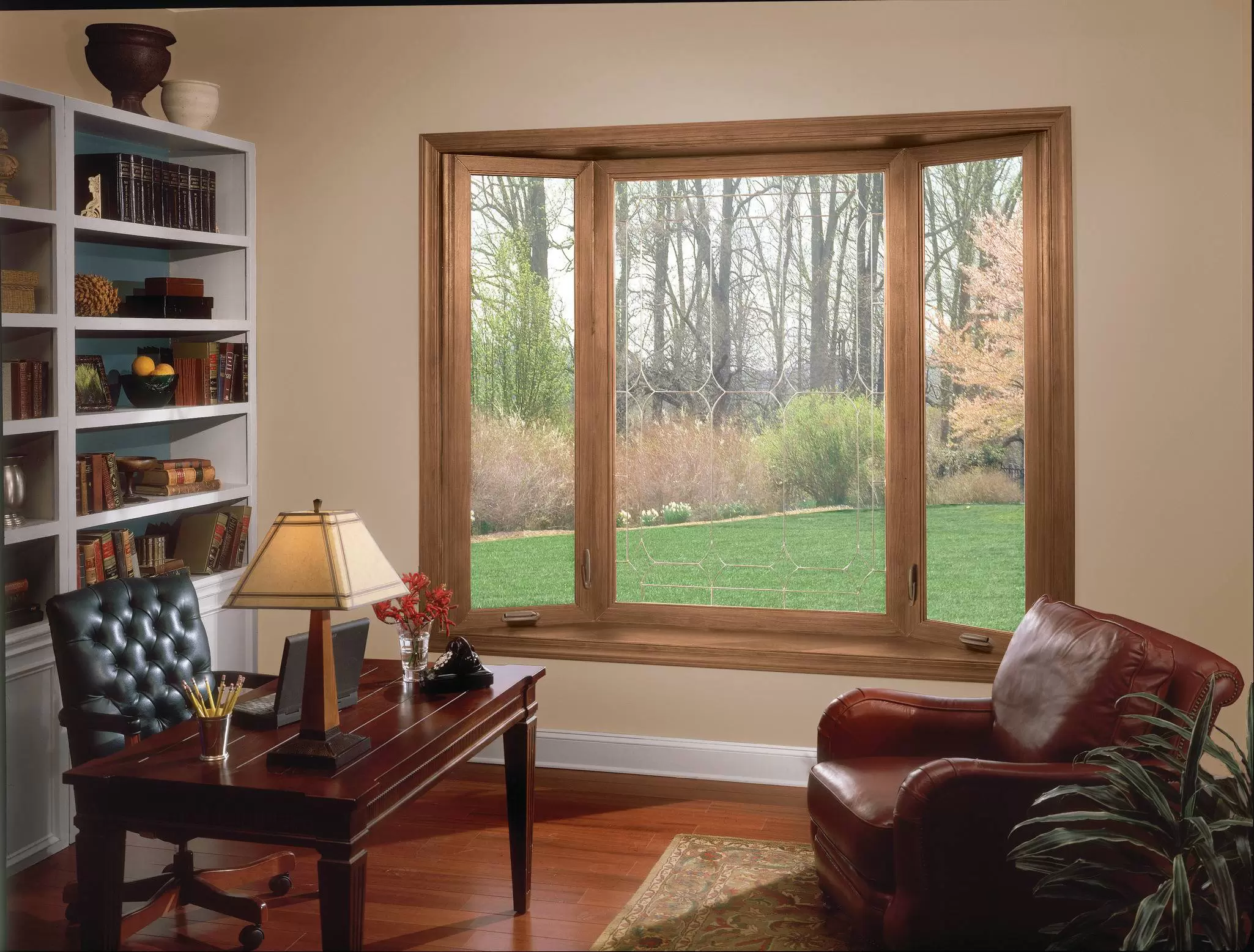
Wood-clad windows offer a different balance of appearance, performance, and maintenance. The natural wood interior can complement existing trim and architectural details, while exterior cladding helps protect the window from direct exposure to changing weather. That combination can be particularly appealing in custom homes and properties where interior finishes are an important part of the design.
Pros
- Warm, natural wood appearance indoors
- Protective exterior cladding
- Interior wood can often be stained or painted
- Extensive customization options
- Well suited to traditional, custom, and higher-end homes
Cons
- Higher upfront cost than vinyl
- Interior wood requires some maintenance
- May involve longer lead times and more involved installation
The trade-off is primarily the additional cost and care associated with a premium material. For mountain cabins, lodge-inspired properties, and homes with prominent woodwork, however, the added customization and natural wood interior may align well with the home's existing character.
Choose a window material based on your priorities
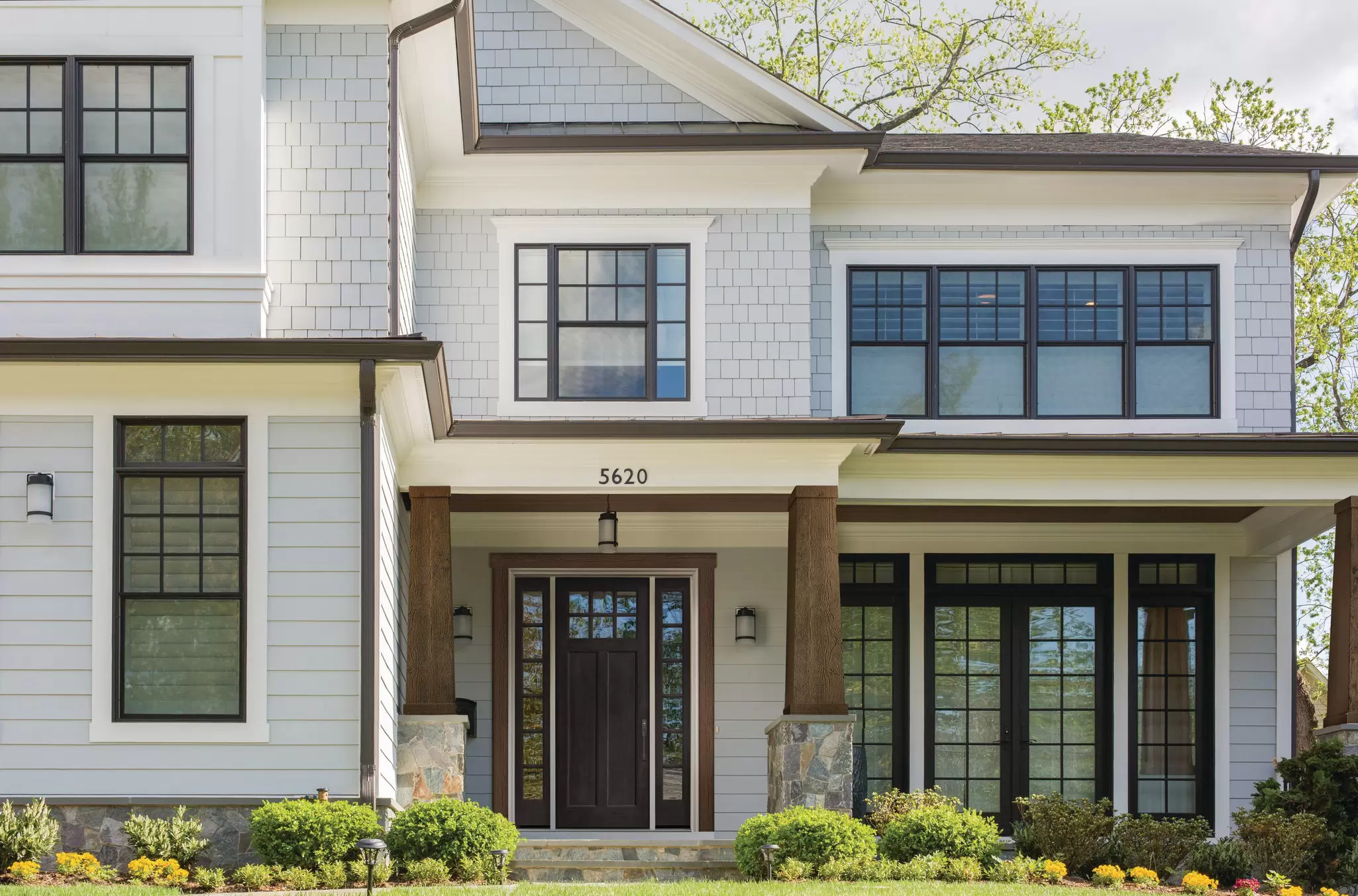
The right frame material depends on the home, budget, maintenance preferences, and desired appearance. Blue Ridge conditions can factor into the decision as well, particularly with seasonal temperature changes, moisture, wind, and winter weather. Rather than treating one material as universally better, it can help to identify which features matter most for the project.
Vinyl windows may make sense when your focus is:
- Lower initial cost
- Minimal maintenance
- Moisture resistance
- Energy-efficient performance
- Replacing multiple windows within a set budget
Wood-clad windows might be the best choice when your priorities are:
- A natural wood interior
- Coordination with existing wood trim or architectural details
- Greater interior customization
- A premium appearance for a custom or traditional home
- Exterior weather protection without exposed exterior wood
Find the right fit for your Blue Ridge home
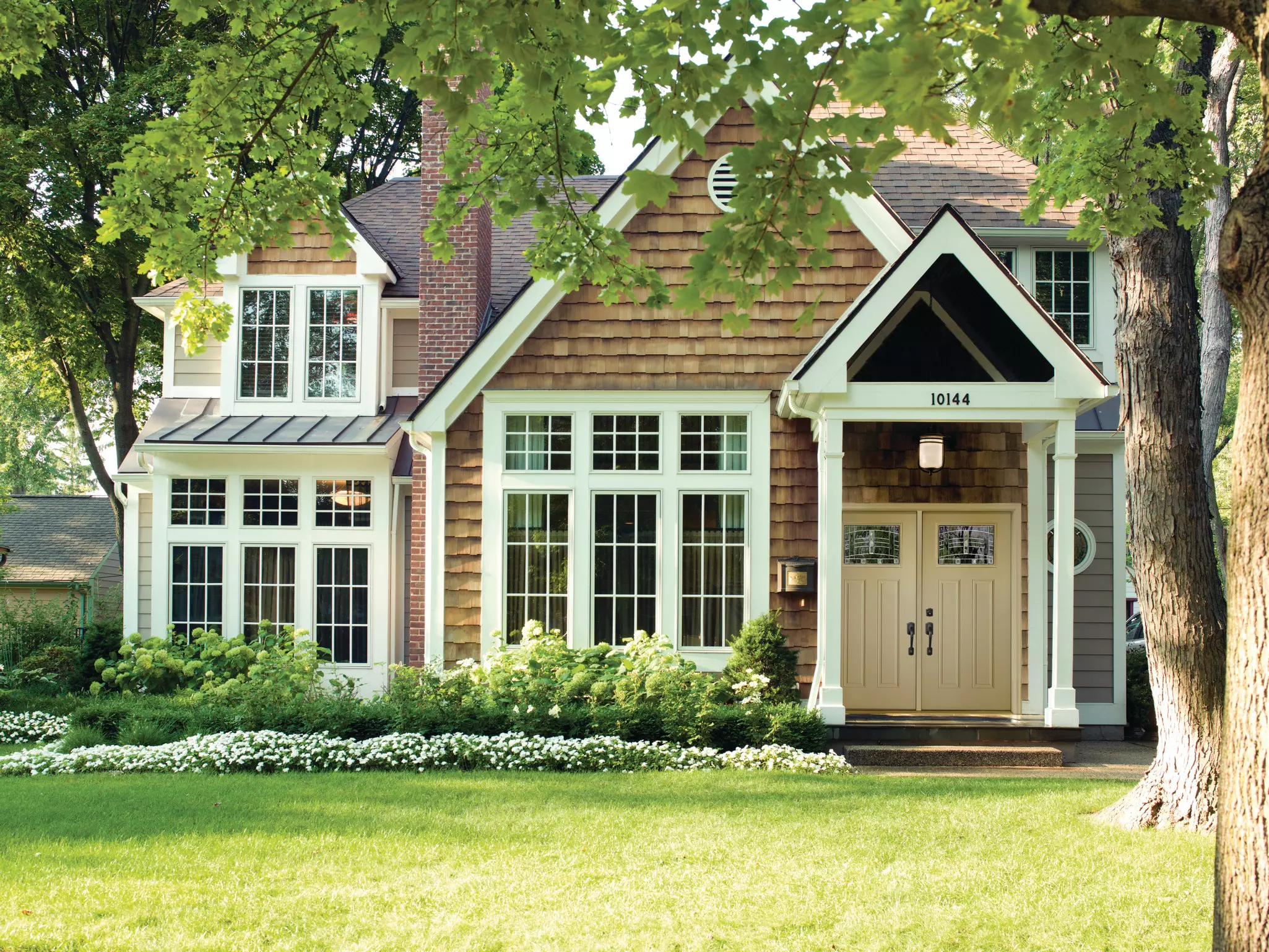
All in all, vinyl and wood-clad windows offer different benefits. Vinyl emphasizes value, moisture resistance, and low-maintenance convenience, while wood-clad windows provide real wood interiors, additional customization, and exterior protection from the elements.
Window World of the Blue Ridge offers both energy-efficient vinyl windows and premium wood-clad windows for homeowners throughout Boone, Wilkesboro, Blowing Rock, and surrounding Blue Ridge Mountain communities. If you're ready to explore your options, request a free in-home quote to compare both materials.