


 Back to Blogs
Best Windows for Cold Mountain Climates: A Homeowner's Guide
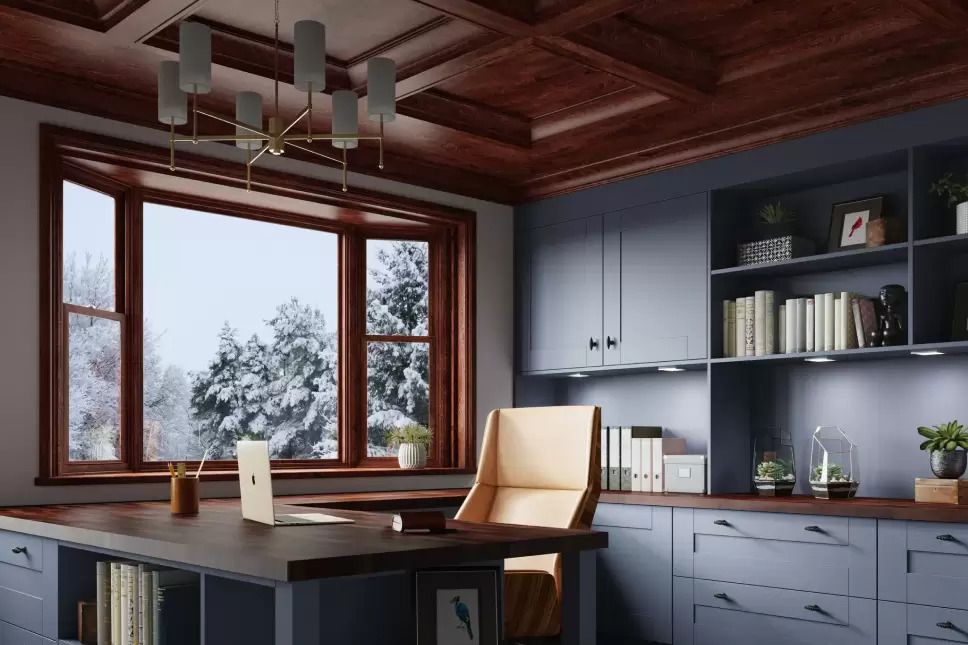
Living in Northwestern North Carolina comes with incredible mountain views, distinct seasons, and plenty of reasons to enjoy the outdoors. But when winter arrives, your home has to stand up to colder temperatures and changing mountain weather. The right windows can make a noticeable difference in keeping your home warm and comfortable.
Choosing the best windows for cold climates involves more than picking a style you like. Energy-performance ratings, glass packages, frame materials, and other features can all affect how well a window helps keep warmth inside your home. Here’s what to consider when shopping for replacement windows in Wilkesboro, Boone, Blowing Rock, Banner Elk, and surrounding communities.
Why windows matter in a cold climate
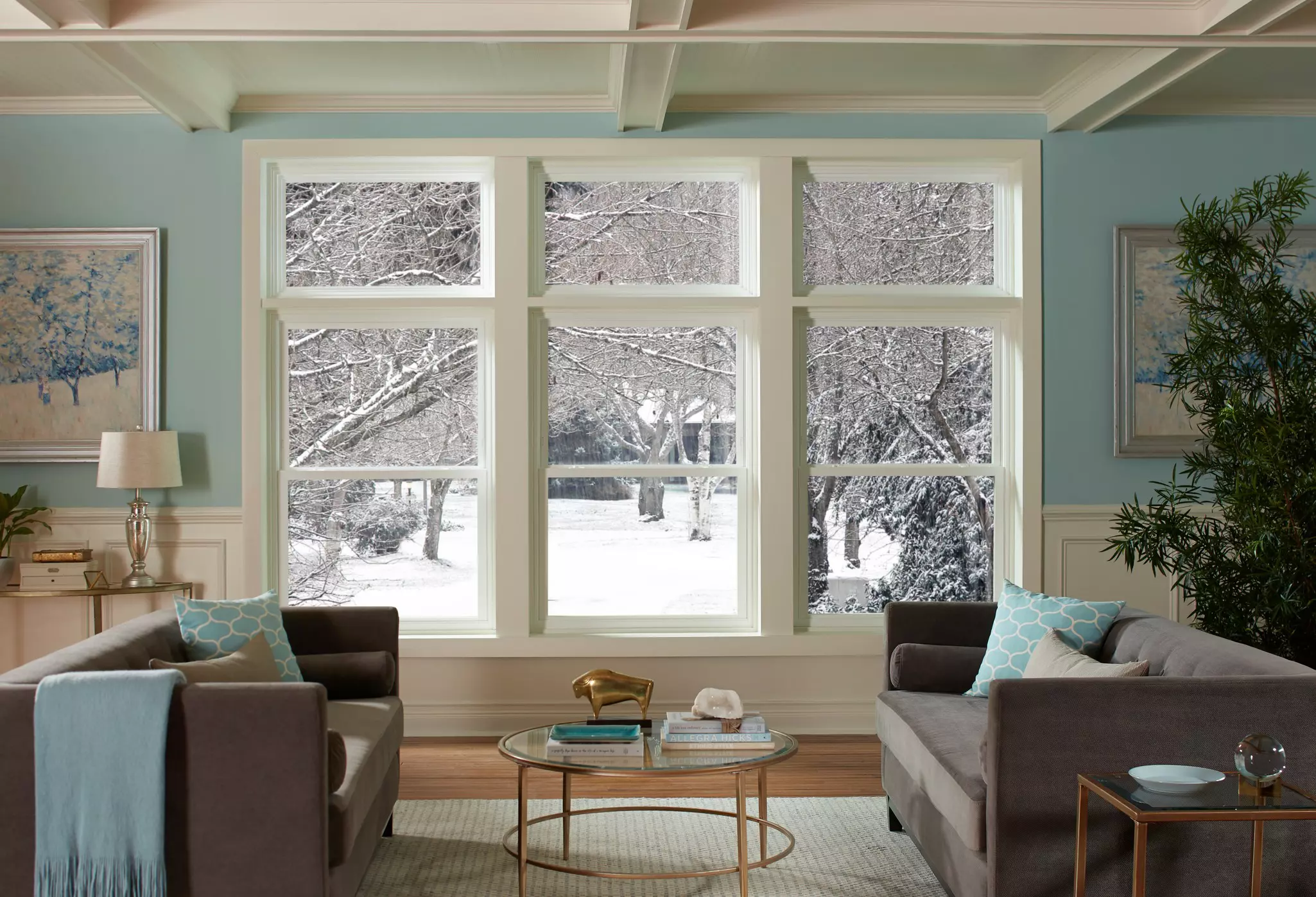
Windows are one of the most common places where heat escapes a home in the winter. Older or inefficient windows can also contribute to uncomfortable drafts and cold spots near the glass.
For homeowners in the Blue Ridge Mountains, winter performance is particularly important. Energy-efficient windows can help reduce heat transfer and make it easier to maintain a comfortable indoor temperature as outdoor temperatures drop.
However, not every energy-efficient window performs the same way. ENERGY STAR recommends choosing windows based on the climate where you live, which is why understanding a few performance ratings can help you compare your options.
What window ratings should you look for in a cold climate?
The National Fenestration Rating Council (NFRC) independently rates windows for several aspects of energy performance. When comparing energy-efficient windows for winter, pay particular attention to U-factor, solar heat gain coefficient, air leakage, and condensation resistance.
U-factor
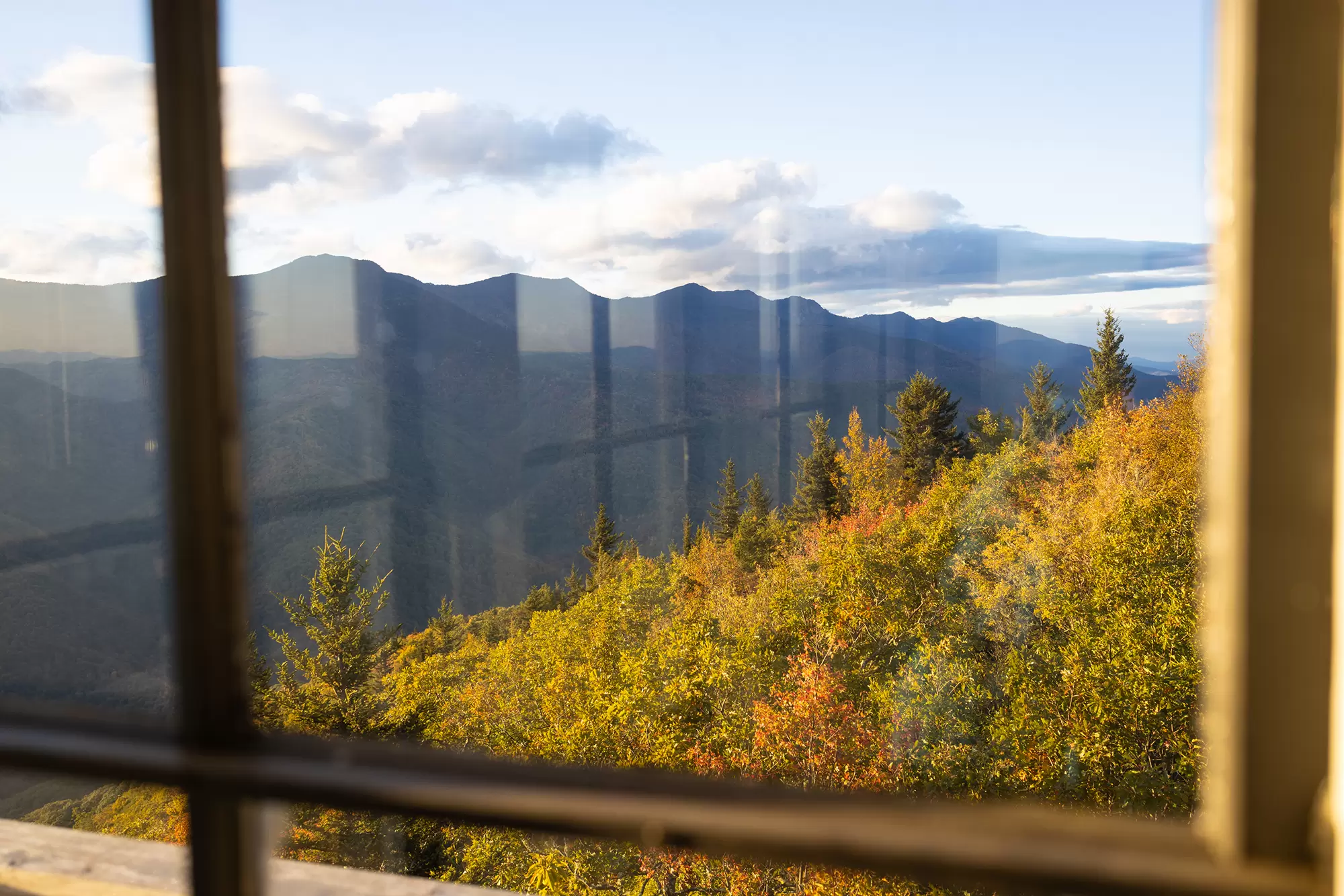
U-factor measures how easily heat transfers through a window. The lower the number, the better the window insulates.
That makes U-factor especially important in a colder climate, where keeping heated indoor air from escaping is a priority.
Rather than assuming every energy-efficient window offers the same level of insulation, compare the U-factor of the specific products you're considering.
Solar heat gain coefficient
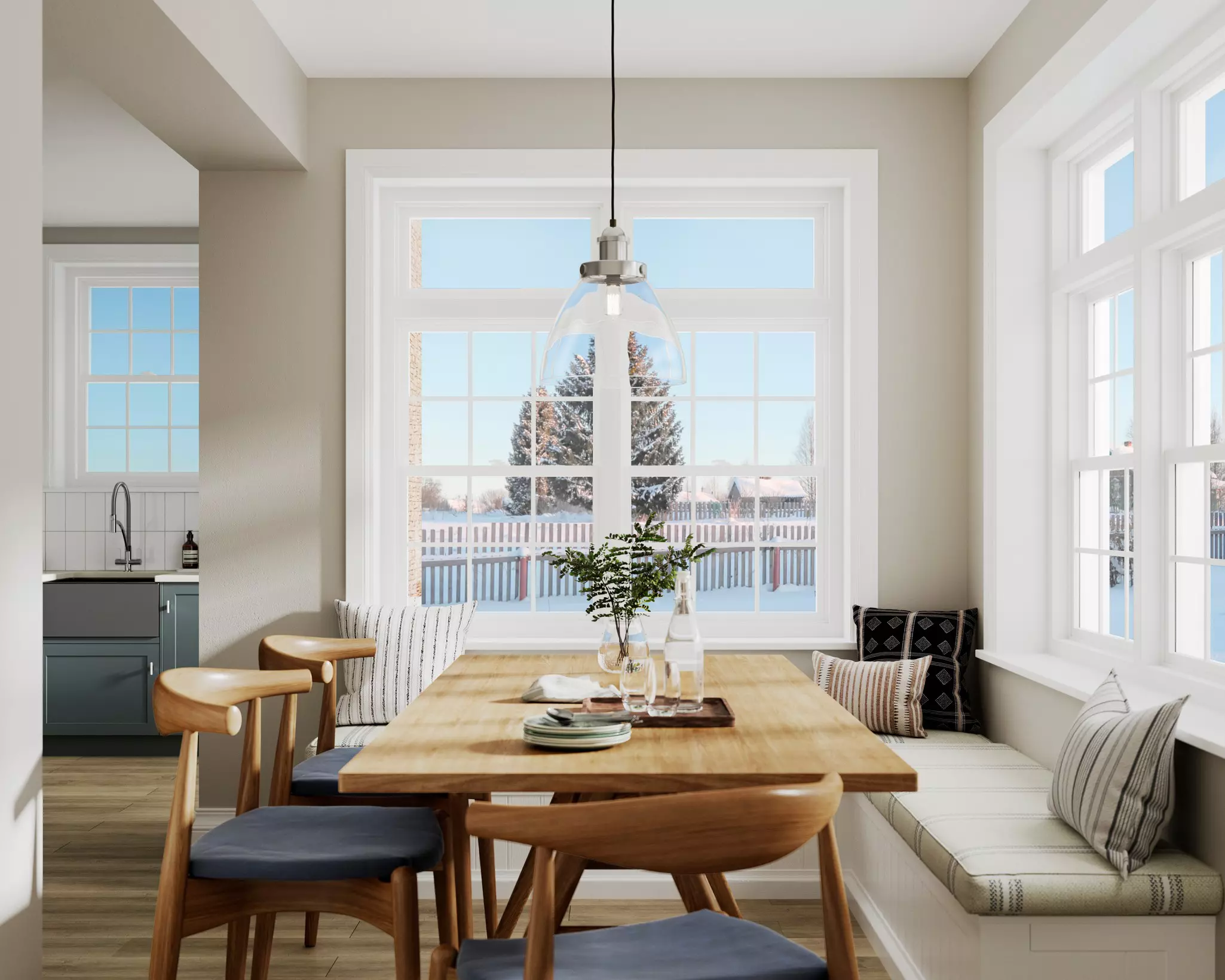
Solar heat gain coefficient (SHGC) measures how much solar radiation passes through a window. It ranges from 0 to 1, with a lower number indicating that less solar heat enters through the window.
The ideal SHGC depends partly on climate and the location of the window. While limiting solar heat can be beneficial during warmer months, some solar gain may be useful during colder weather. ENERGY STAR accounts for these regional differences when establishing its window criteria.
Air leakage rating
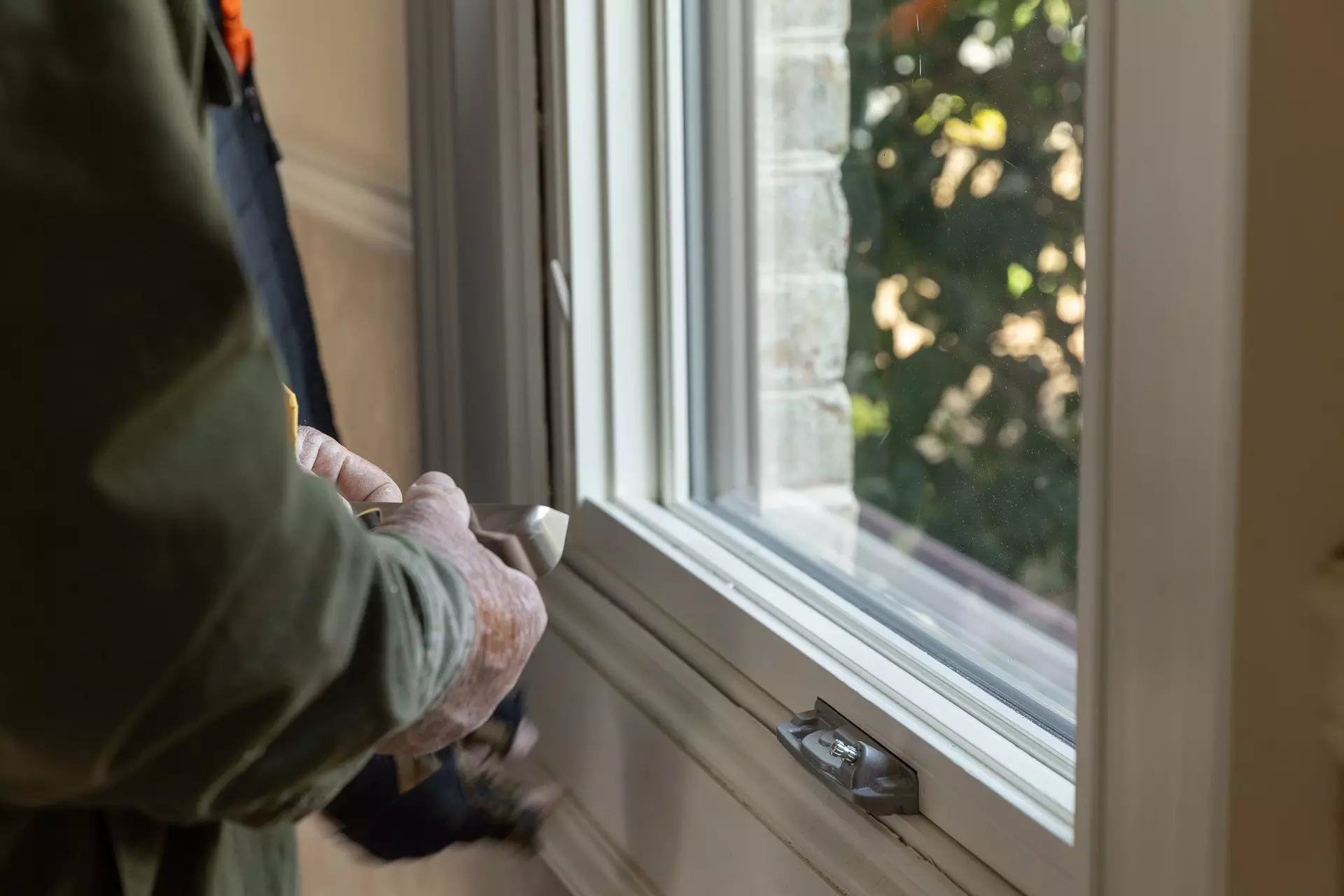
Even well-insulated glass won't make a room comfortable if outside air is finding its way through the window assembly. An air leakage rating indicates how much air passes through the joints of a window, measured in cubic feet of air per minute per square foot of window area.
Lower numbers indicate less air leakage. Reducing air infiltration can help minimize drafts, which is particularly valuable on cold and windy mountain days.
Condensation resistance
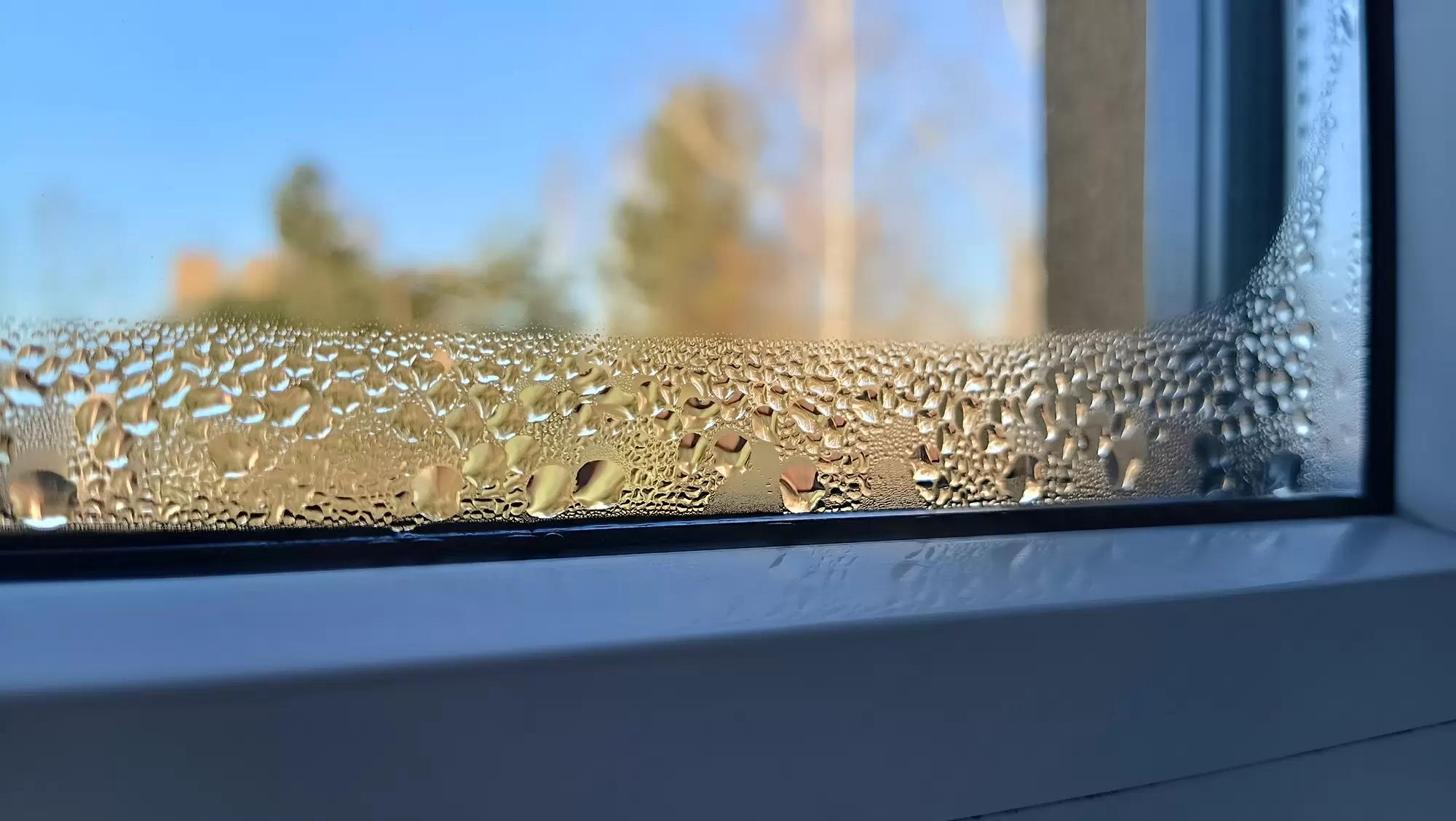
Condensation resistance measures a window's ability to resist moisture buildup on its interior surface. Unlike U-factor and air leakage, a higher condensation resistance rating indicates better performance.
Window condensation doesn't automatically mean a window is defective, since indoor humidity and outdoor temperatures also play a role. However, comparing condensation resistance can be useful when selecting windows for a colder climate.
How to read the NFRC label
You don't have to guess how a window will perform. The NFRC label provides standardized ratings that allow you to compare different products using the same measurements.
For homes in our area, start by looking at the U-factor, since a lower number indicates better insulation and less heat transfer through the window. That can be especially important during the colder winters experienced in communities such as Boone, Blowing Rock, and Banner Elk. The SHGC is also worth checking because it indicates how much solar heat passes through the window.
ENERGY STAR uses U-factor and SHGC when establishing window performance criteria for different climate zones. This makes the label a useful tool for determining whether a window's energy performance is suited to your local climate rather than relying on terms like “energy-efficient” alone.
You may also see ratings for air leakage, visible transmittance, and condensation resistance. In a mountain climate where cold temperatures, wind, and indoor-outdoor temperature differences can affect comfort, these additional ratings can help you get a more complete picture of how a window may perform.
What makes a window energy efficient in winter?
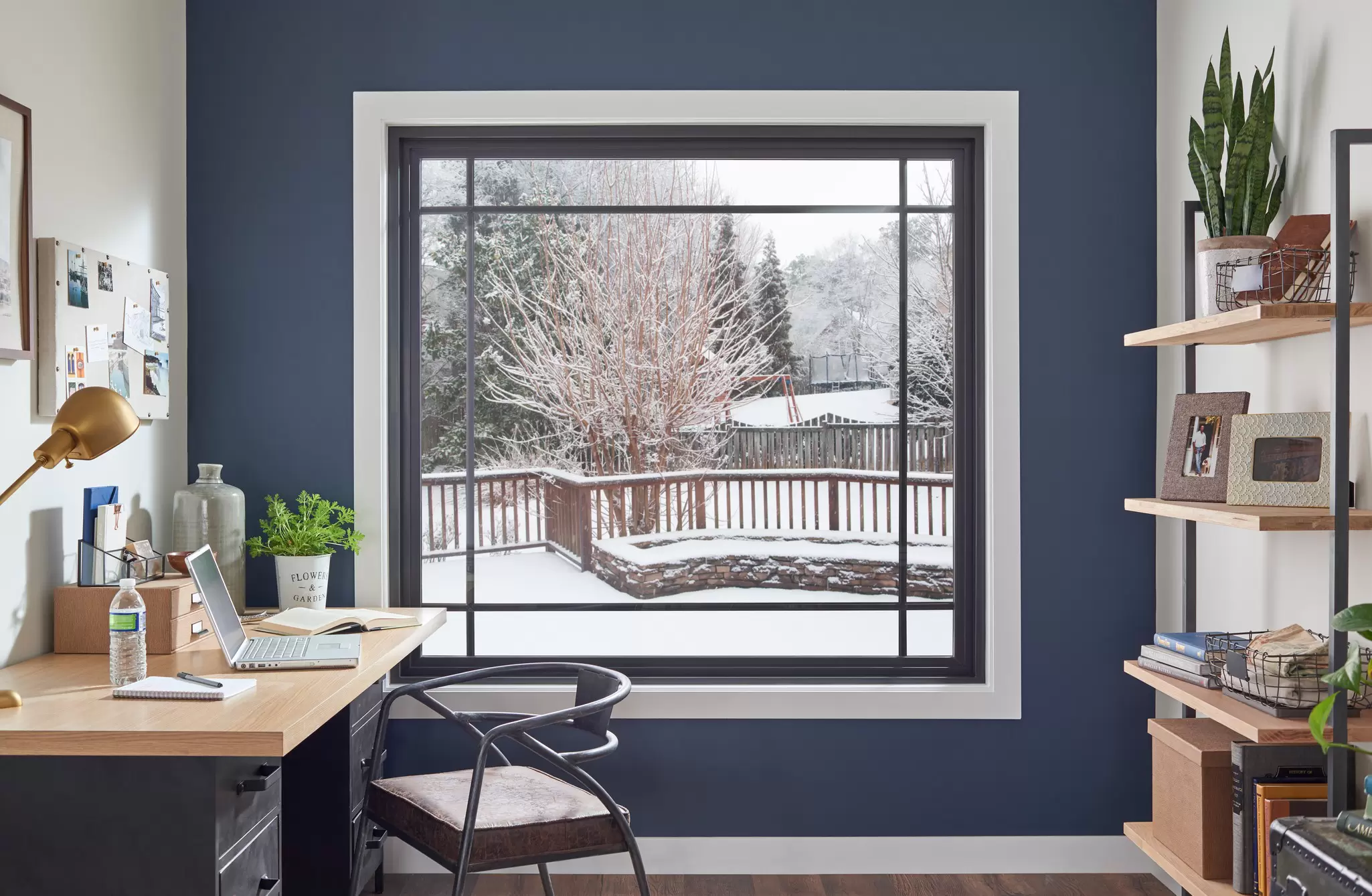
Ratings are useful for comparing windows, but the materials and technology inside them also affect how well they perform. If you're looking for the most energy-efficient windows for cold weather, consider features such as:
- Low-E glass: A thin, nearly invisible coating helps reduce heat transfer through the glass, keeping more warmth inside your home during cold weather. It can also help block UV rays that may fade furniture, flooring, and other belongings.
- Insulating gas fills: Gases such as argon or krypton can be placed between panes of glass to provide additional insulation. Because these gases transfer heat less easily than ordinary air, they can help reduce heat loss through the window.
- Warm-edge spacers: These components separate the panes of glass while helping reduce heat transfer around the edges of the window. This can improve overall energy efficiency and may also help reduce condensation during colder weather.
Double-pane vs. triple-pane windows
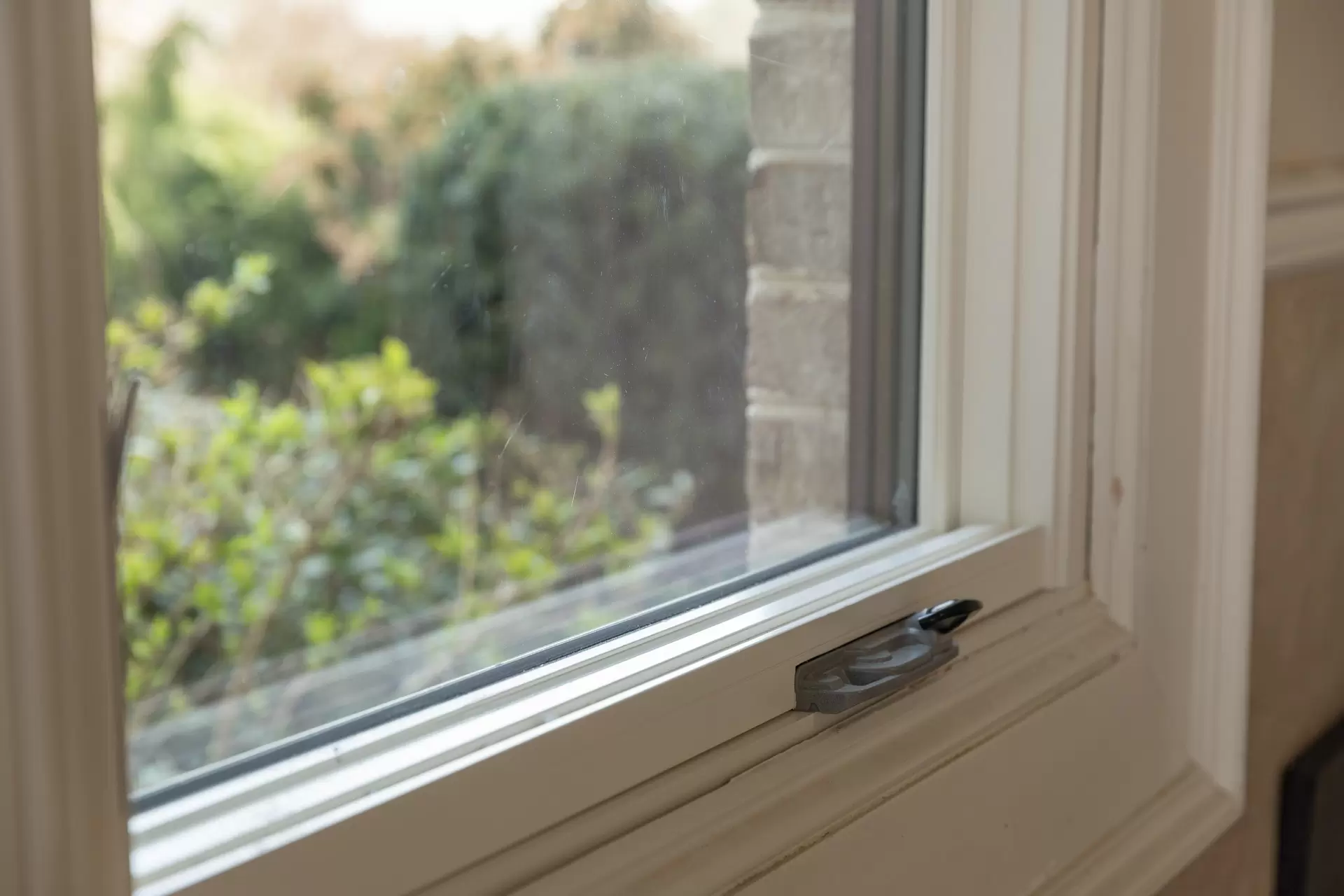
If you're comparing double-pane vs. triple-pane windows, it may seem logical to assume that more panes are always better. Triple-pane windows can provide additional insulation because they incorporate another pane of glass and an additional insulating space.
However, triple-pane windows aren't automatically the best choice for every home. High-quality double-pane windows with Low-E glass, insulating gas, and efficient spacers can also provide strong cold-weather performance.
The best way to compare the two is to look at their complete NFRC ratings, particularly U-factor, rather than pane count alone. Your home's location, exposure, existing insulation, and budget can also help determine whether the additional performance of triple-pane glass makes sense for your project.
Which window styles work well in Northwestern NC?
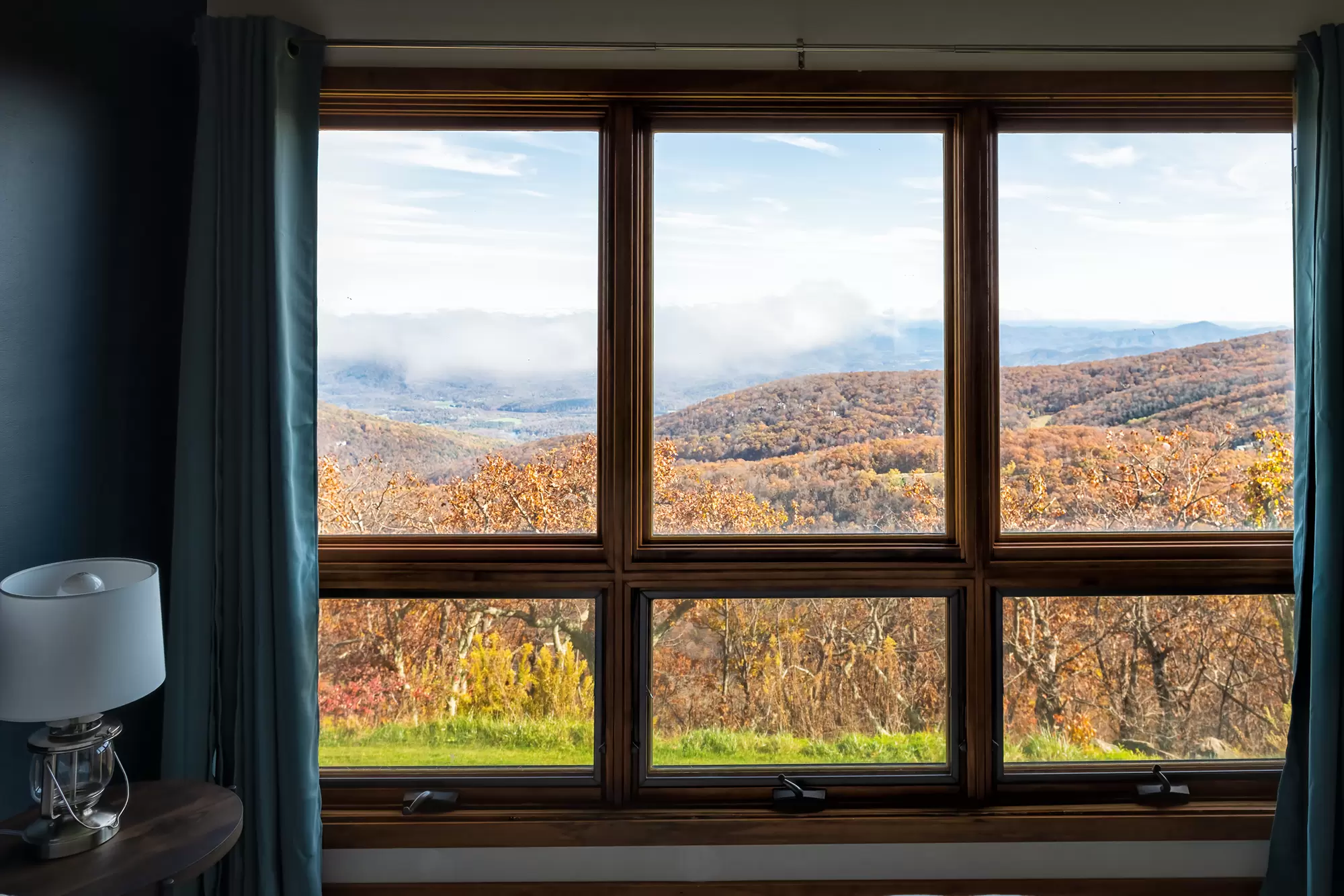
Energy performance isn't determined solely by window style, but the way you use a room can help determine which design works best. Mountain homeowners may also want to consider ventilation, natural light, views, and the architectural style of their homes.
- Double-hung windows are a versatile choice for many traditional and contemporary mountain homes. Both sashes operate, giving you flexible ventilation when warmer weather returns. Their classic appearance also works with a wide variety of home styles, making them a practical option for bedrooms, living areas, and other spaces throughout the house.
- Casement windows open outward and typically use a locking mechanism that pulls the sash tightly against the frame when closed, which helps limit air leakage. They're a useful option when you want ventilation along with an expansive view. Because the entire sash opens, casement windows can also provide plenty of fresh air during Wilkesboro’s milder spring and fall weather.
- Picture windows don't open, making them a natural choice for showcasing mountain scenery and bringing more daylight into living areas. Their fixed design also means there are fewer areas where air can potentially move through an operable assembly. Consider them for spaces where maximizing a Blue Ridge view is more important than ventilation.
For homeowners who prefer the warmth of natural wood indoors, wood-clad windows combine a wood interior with protective exterior cladding. Window World of the Blue Ridge offers wood-clad options with energy-efficient glass and other features designed to improve thermal performance.
Find the right windows for your Blue Ridge home
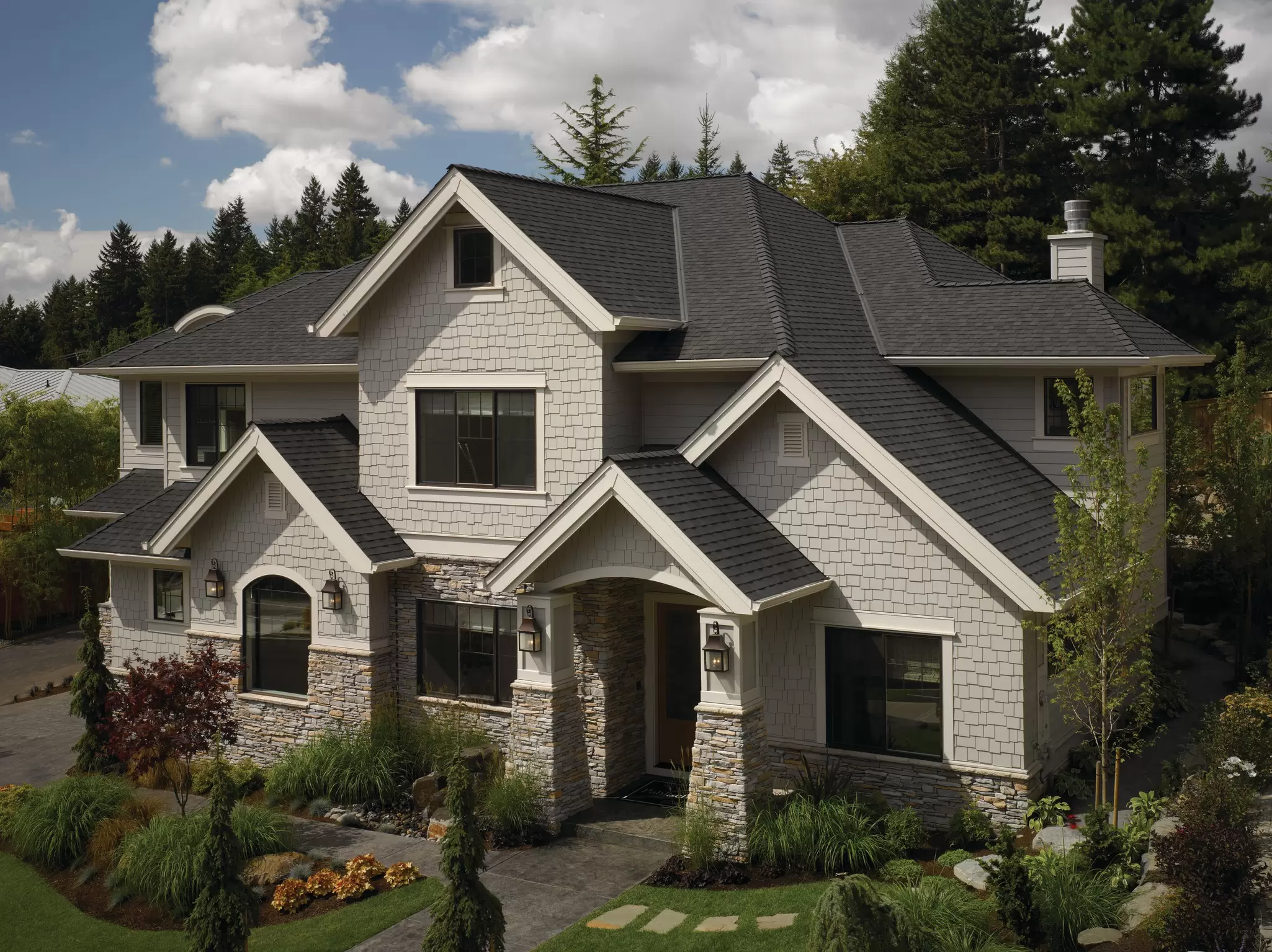
There isn't one window that's best for every Blue Ridge home. The best energy-efficient windows are those that combine appropriate NFRC ratings, quality glass and frame components, professional installation, and a style that works for your particular home.
Window World of the Blue Ridge offers a variety of replacement window styles and energy-efficient options for homes throughout Wilkesboro and surrounding mountain communities. Our team can help you compare window styles, glass packages, and performance features to find an option that fits your home, budget, and comfort goals.
Ready to prepare your home for colder mountain weather? Contact Window World of the Blue Ridge today to schedule a free in-home estimate.