



 Back to Blogs
The Best Window Types for Ventilation

There's a particular kind of evening in the Blue Ridge Mountains – sometime in late April or early October – where the air outside is so clean and cool that turning on the AC feels almost offensive. The smart move is to open the windows, let the mountain air do its job, and give the HVAC system the night off.
Unless, of course, your windows don't cooperate. Frames swollen from humidity, hardware that gave up years ago, sashes that open halfway and stick there – old windows have a way of making a simple thing complicated. And even when they do open, many homeowners find they're not moving nearly as much air as they expected.
Ventilation is one of the most underrated factors in window selection. Most people think about energy efficiency and appearance first, which makes sense. But how a window opens (and how well) shapes the everyday comfort of your home just as much. The best windows for ventilation aren't always the ones that look most impressive – they're the ones whose operation style matches the room and the way you actually live. Here's what you need to know before you decide on window replacement.
Why ventilation matters more than most homeowners think
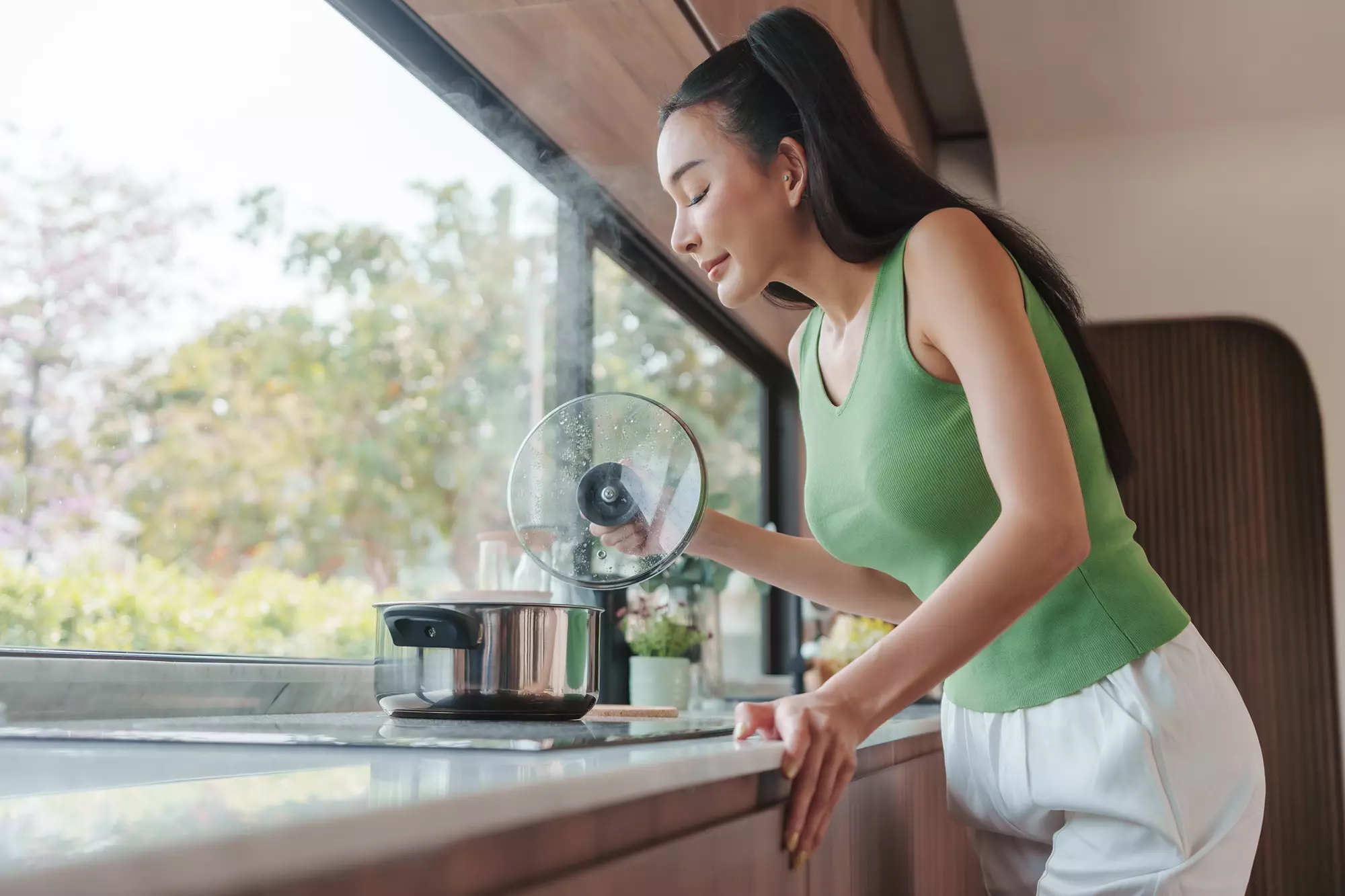
It's easy to take indoor air quality for granted, but the EPA has found that indoor air can actually be more polluted than outdoor air, sometimes significantly so. Cooking fumes, moisture, off-gassing from furniture and finishes, and simple staleness all build up in a closed home over time. Opening windows is one of the simplest and most effective ways to flush that out and bring in fresh air.
Beyond air quality, natural ventilation has a practical efficiency angle. In northwest North Carolina, spring and fall bring weeks of mild weather where the temperature outside is genuinely comfortable – warm enough to skip the heat, cool enough to skip the AC. Homeowners who can open their windows and let the outside air work for them aren't running their HVAC systems unnecessarily, and that adds up on the energy bill over the course of a season.
How replacement windows improve ventilation over older windows
Old windows undermine all of this. A window that sticks, seals unevenly, or only opens halfway doesn't just look tired. It also actively limits your ability to ventilate your home the way you'd like to. In the mountain counties of northwest North Carolina, where homes deal with serious humidity in summer, temperature swings through the seasons, and the occasional hard freeze in winter, frames warp and hardware degrades over time in ways that quietly rob you of function.
Modern replacement windows open fully, operate smoothly, and seal completely when closed. You get the airflow you're actually expecting, not whatever the window decides to give you that day. That matters most in the rooms where ventilation does the heaviest lifting:
- Kitchens handling cooking steam
- Bathrooms managing moisture
- Bedrooms where a good night's sleep often depends on moving some air
The best window styles for ventilation
Different window styles ventilate differently, and the right choice depends on the room, the prevailing wind direction, and what you actually need the window to do. Let’s take a look at how the main styles compare.
Casement windows
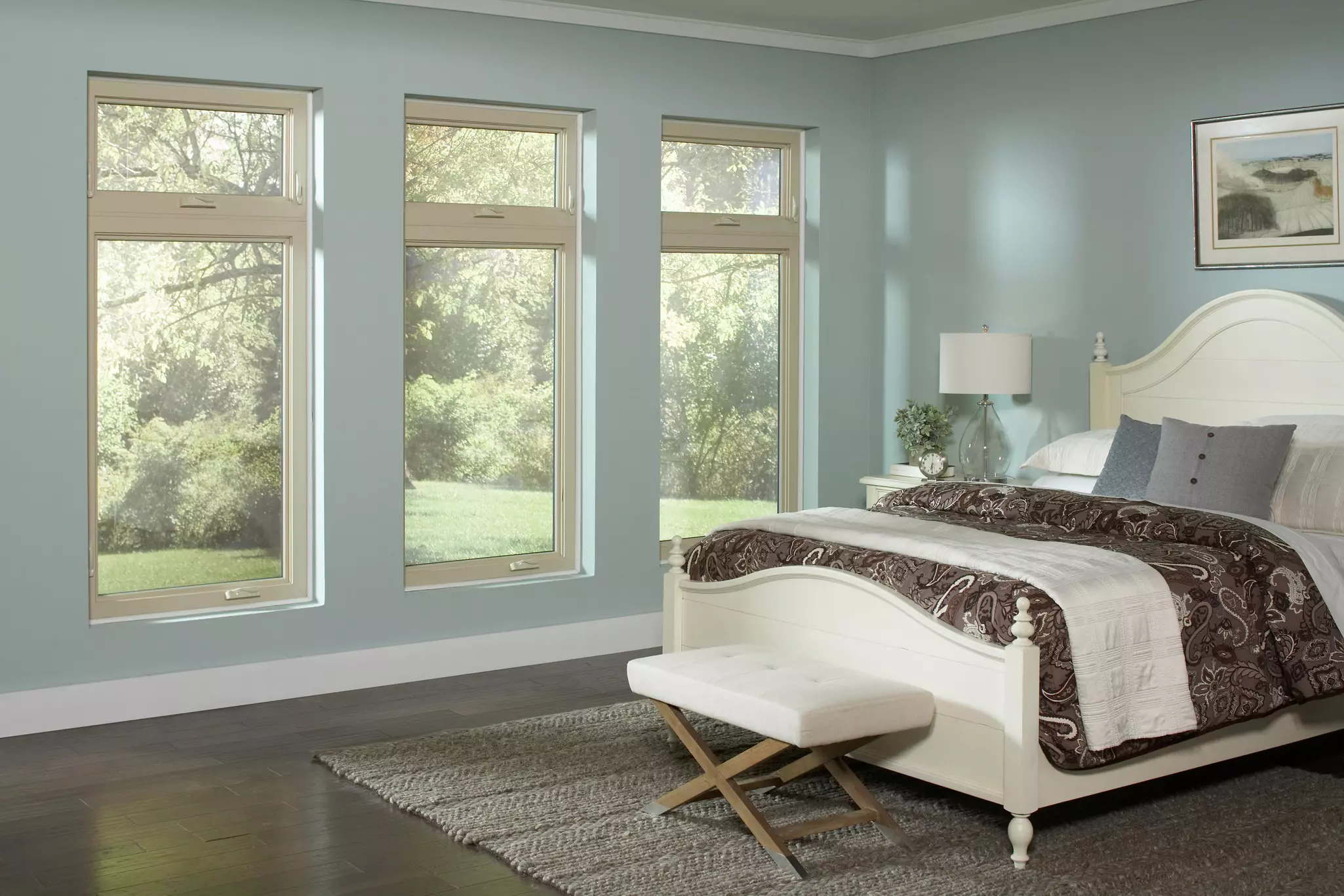
Casement windows are hinged on one side and crank open outward, and their ventilation advantage is straightforward: the entire sash becomes an opening. Where other styles only open part of the window area, a casement puts all of its glass to work moving air.
There's also a subtler benefit. When a casement window is angled to catch a side breeze, the open sash acts like a scoop, directing air into the room rather than just letting it pass by the opening. For rooms positioned to take advantage of prevailing winds, that's a pretty big difference.
The tight seal casement windows form when closed give them strong energy-efficiency credentials too, which makes them one of the few styles where maximum ventilation and maximum insulation work together rather than in tension. They're an excellent choice for living rooms and bedrooms where airflow is a real priority.
Awning windows
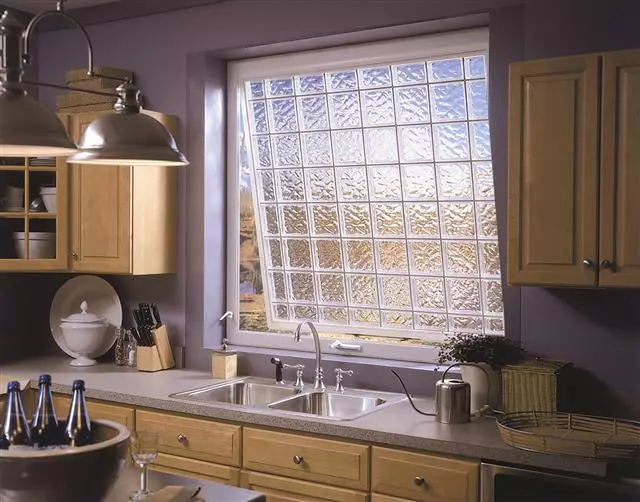
Awning windows are hinged at the top and open outward from the bottom, and their defining feature is something no other window style can claim: You can leave them open in the rain. The angled sash acts as a natural overhang, deflecting water while still allowing air to flow through.
That’s a great feature for anyone living in our region. Afternoon showers are a regular feature of summer here, and a window style that keeps working through them is genuinely useful. Kitchens and bathrooms are the natural home for awning windows; they’re rooms that need consistent ventilation regardless of what the weather is doing outside.
Awning windows are also commonly installed above other windows or doors to add ventilation without eating into wall space or sacrificing privacy. If you've never considered them before, they're worth a close look.
Double-hung windows
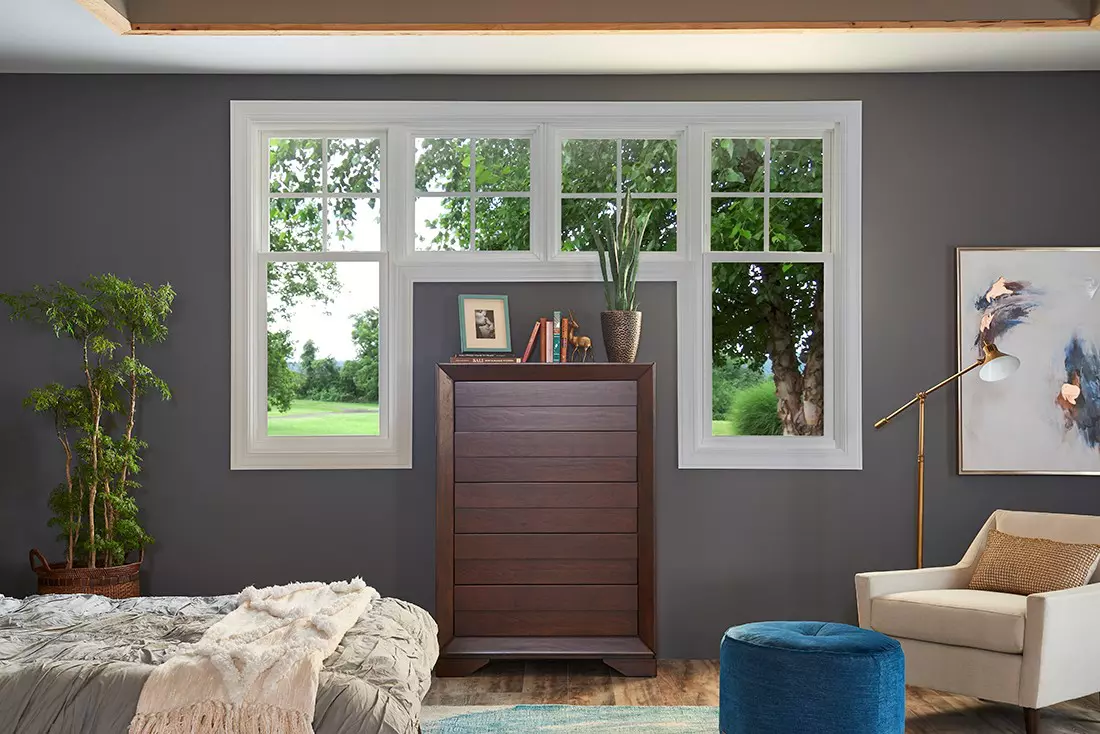
Double-hung windows have two independently operable sashes – top and bottom – and that dual operation is what gives them their ventilation trick: Open the bottom sash to let cool air in and the top sash to let warm air escape. It's a simple form of natural convection that works surprisingly well for regulating room temperature without any mechanical assistance.
The trade-off is that only half the total window area is open at any given time, so maximum airflow is lower than what a comparably sized casement provides. For most rooms, though, that's a perfectly acceptable trade. Double-hung windows are versatile, familiar, and work well in virtually any space. They're a reliable choice for bedrooms and living areas where you want controllable, adjustable ventilation rather than maximum airflow.
Sliding windows
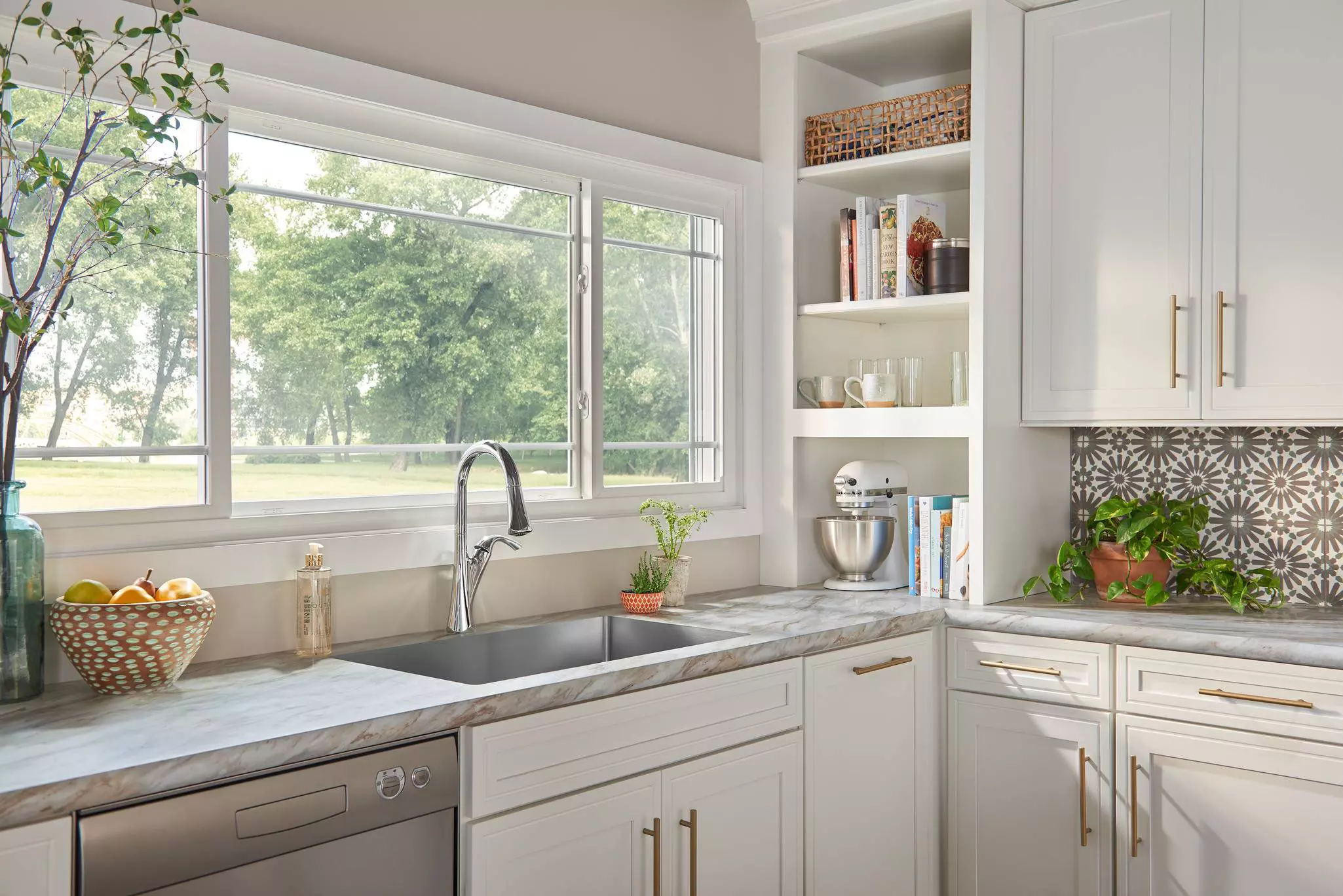
Sliding windows open horizontally, with one sash gliding along a track. Like double-hung windows, only half the window area opens at once, so they're better suited to steady, moderate airflow than to maximizing it.
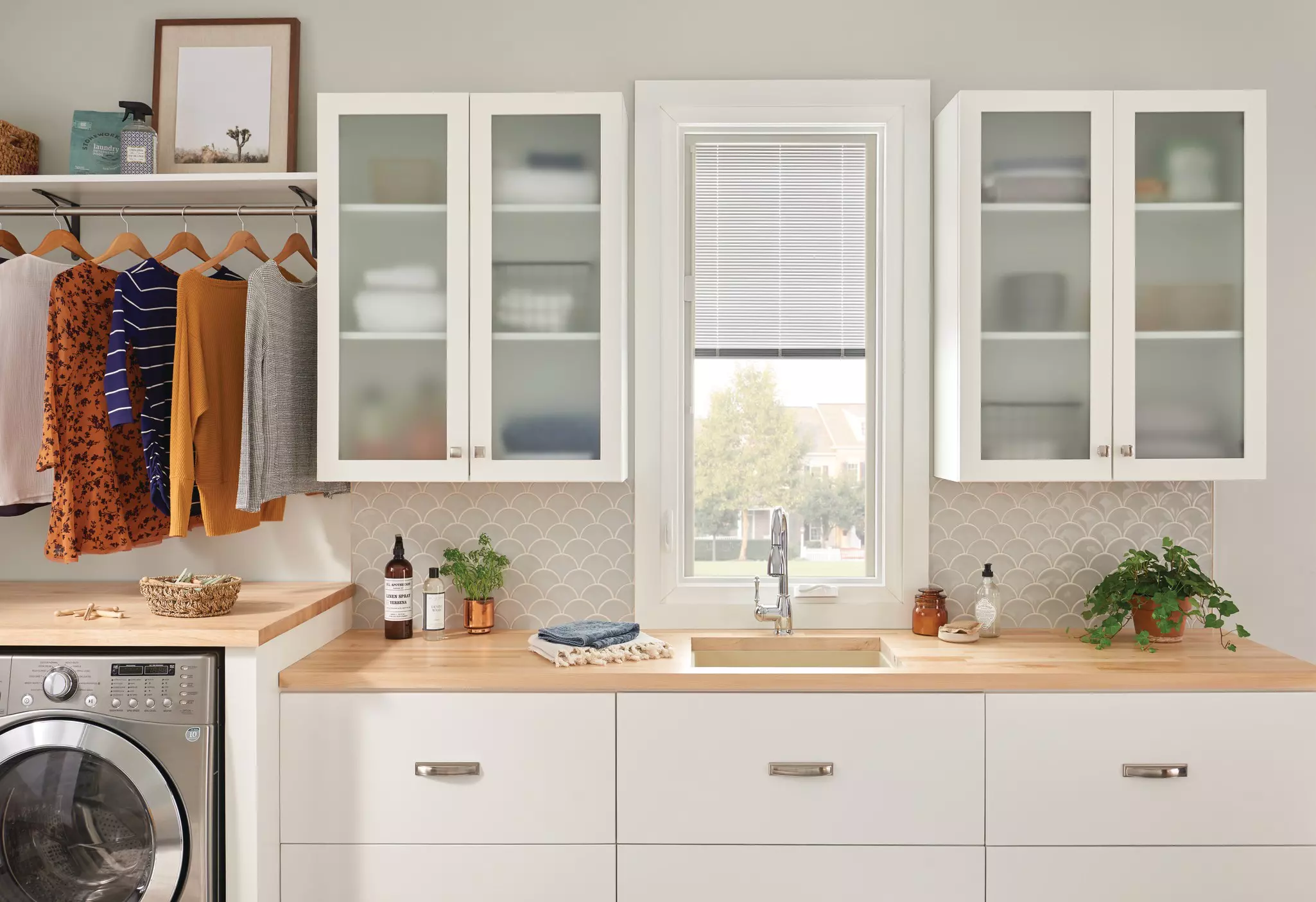
What sliding windows do offer is simplicity and a clean profile. There's no crank mechanism, no outward swing to account for, and no hardware to get in the way. That makes them a practical choice for spots where an outward-opening window would be awkward: above a kitchen sink, in a tight space near a deck or walkway, or anywhere low-profile operation matters more than maximum ventilation.
Picture windows: pair with operable styles
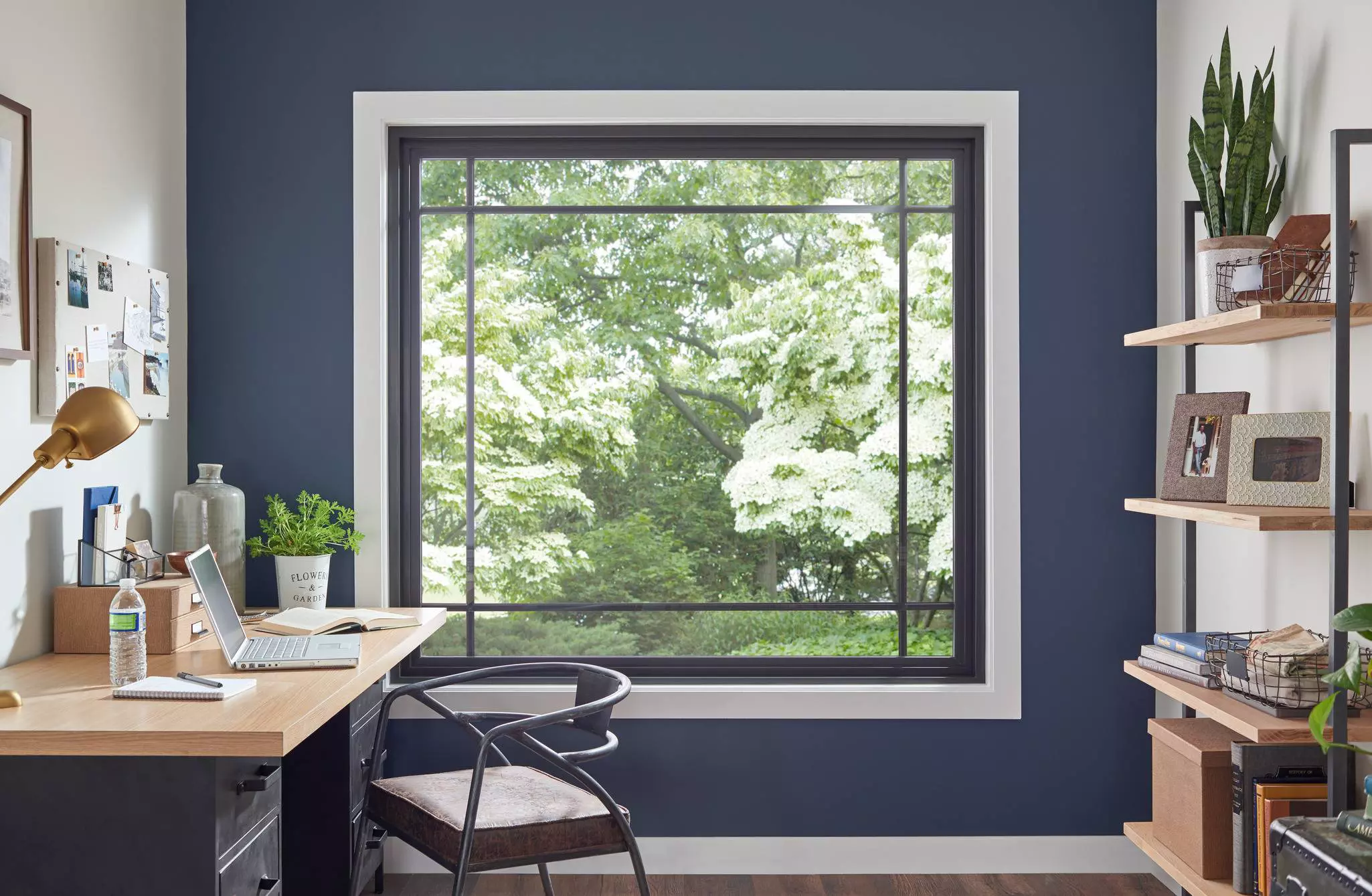
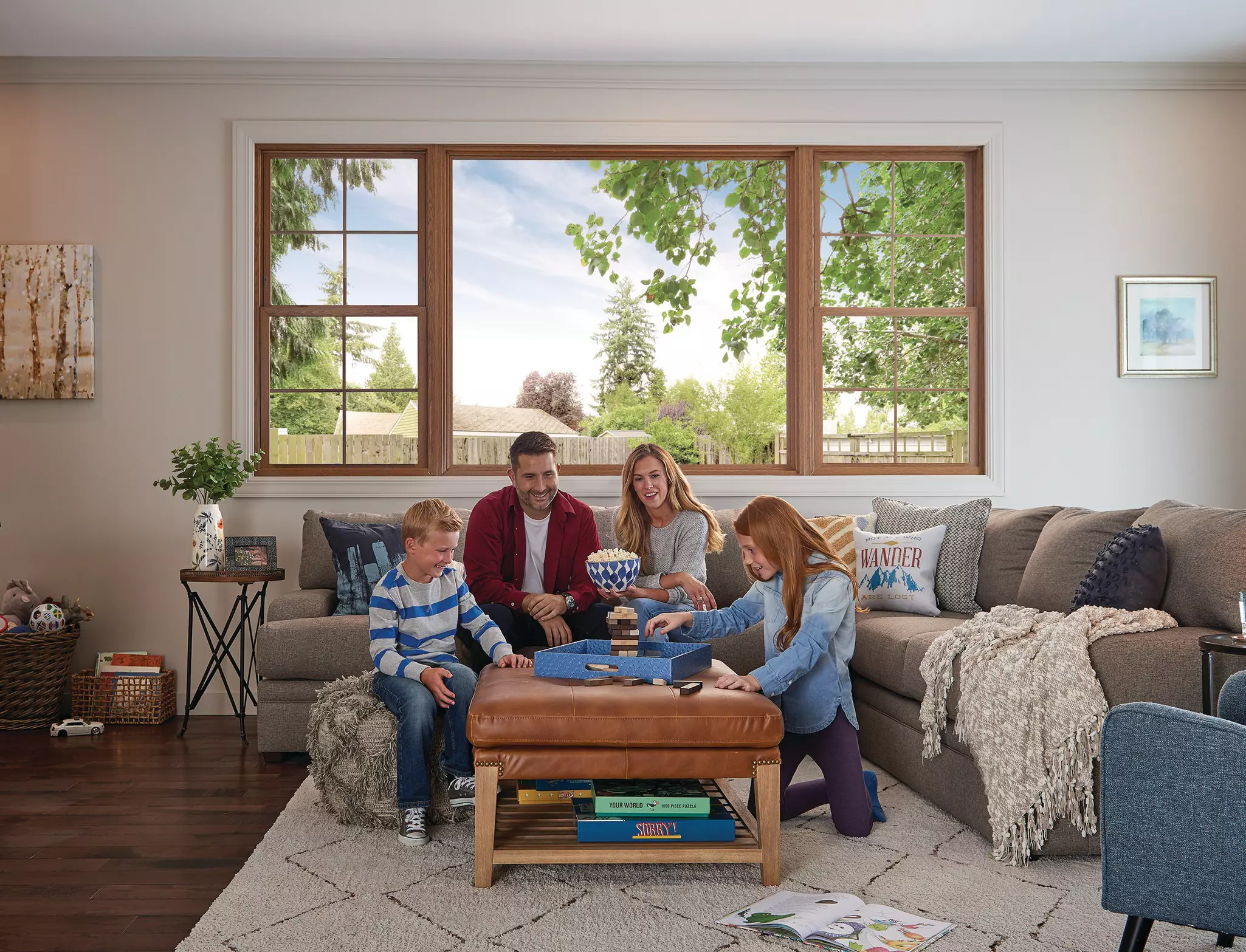
Picture windows are fixed, meaning they don’t open at all, so they contribute nothing to ventilation on their own. However, picture windows are a beautiful and popular choice, and it's easy to forget the limitation until you're standing in a stuffy room with a gorgeous view and no way to catch a breeze.
The solution to this problem is smart pairing. A large picture window flanked by casement or awning windows gives you the dramatic glass area and the view, with fully operable windows on either side to move air when you need it. It's one of the most effective window combinations for rooms where both aesthetics and ventilation matter.
Matching window styles to rooms
Knowing how each style performs is one thing – knowing where to put them is another. Here's a practical room-by-room guide.
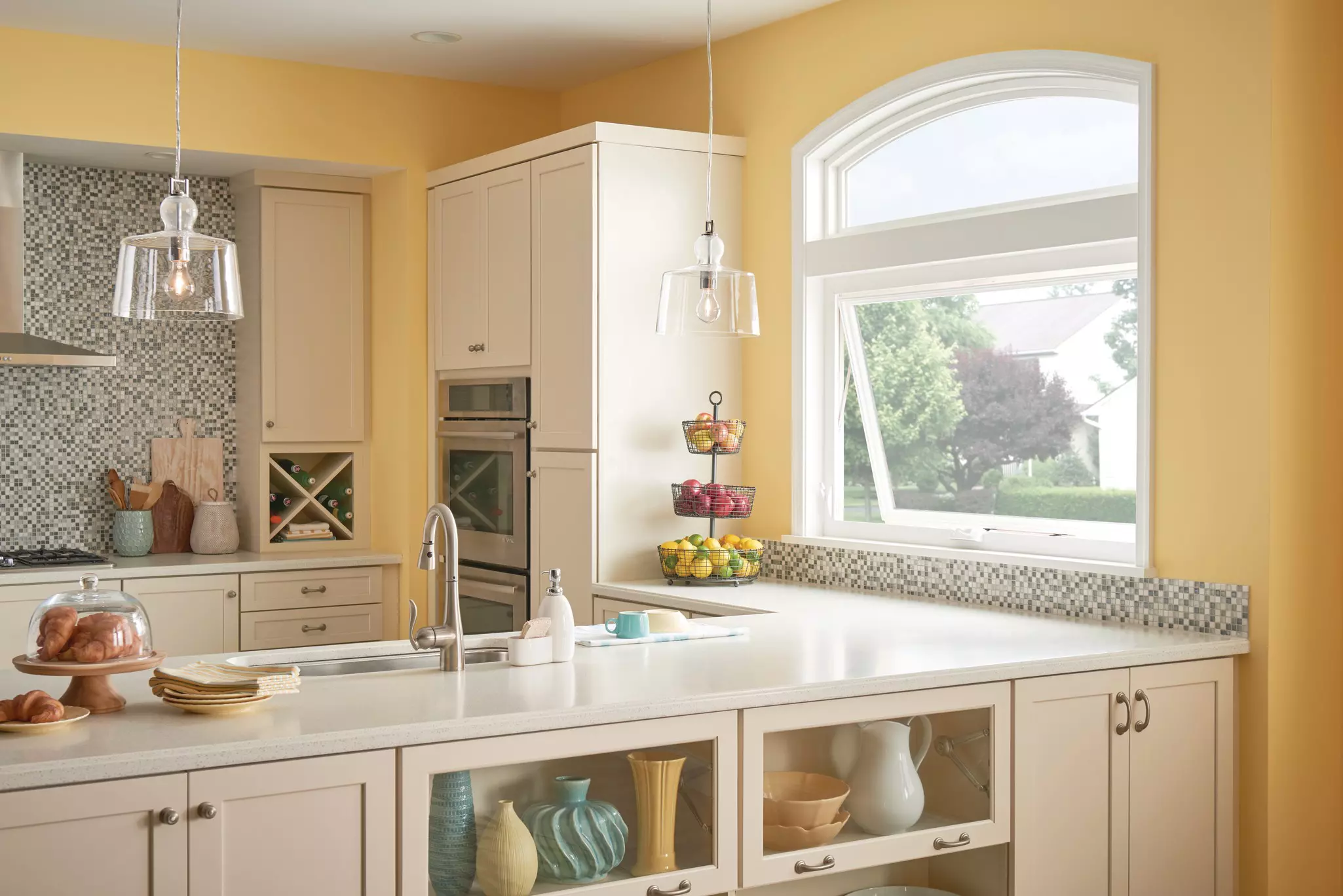
- Kitchen: Awning windows are the natural fit above a sink or cooktop. They handle cooking odors and steam without requiring you to close up every time a cloud rolls over the mountain. Casement windows work well on side walls where you want to pull in more air.
- Bathroom: Awning windows again – privacy, rain resistance, and consistent moisture venting all in one package. They're purpose-built for this room.
- Bedroom: Double-hung windows for gentle, adjustable airflow that you can dial up or down without getting out of bed. Casement windows if the room faces a prevailing breeze and you want to make the most of it.
- Living room: Casement or double-hung, depending on your layout and the view. Bay and bow windows – which Window World of the Blue Ridge carries – can incorporate operable sashes alongside their fixed center pane, giving you ventilation without sacrificing the architectural impact.
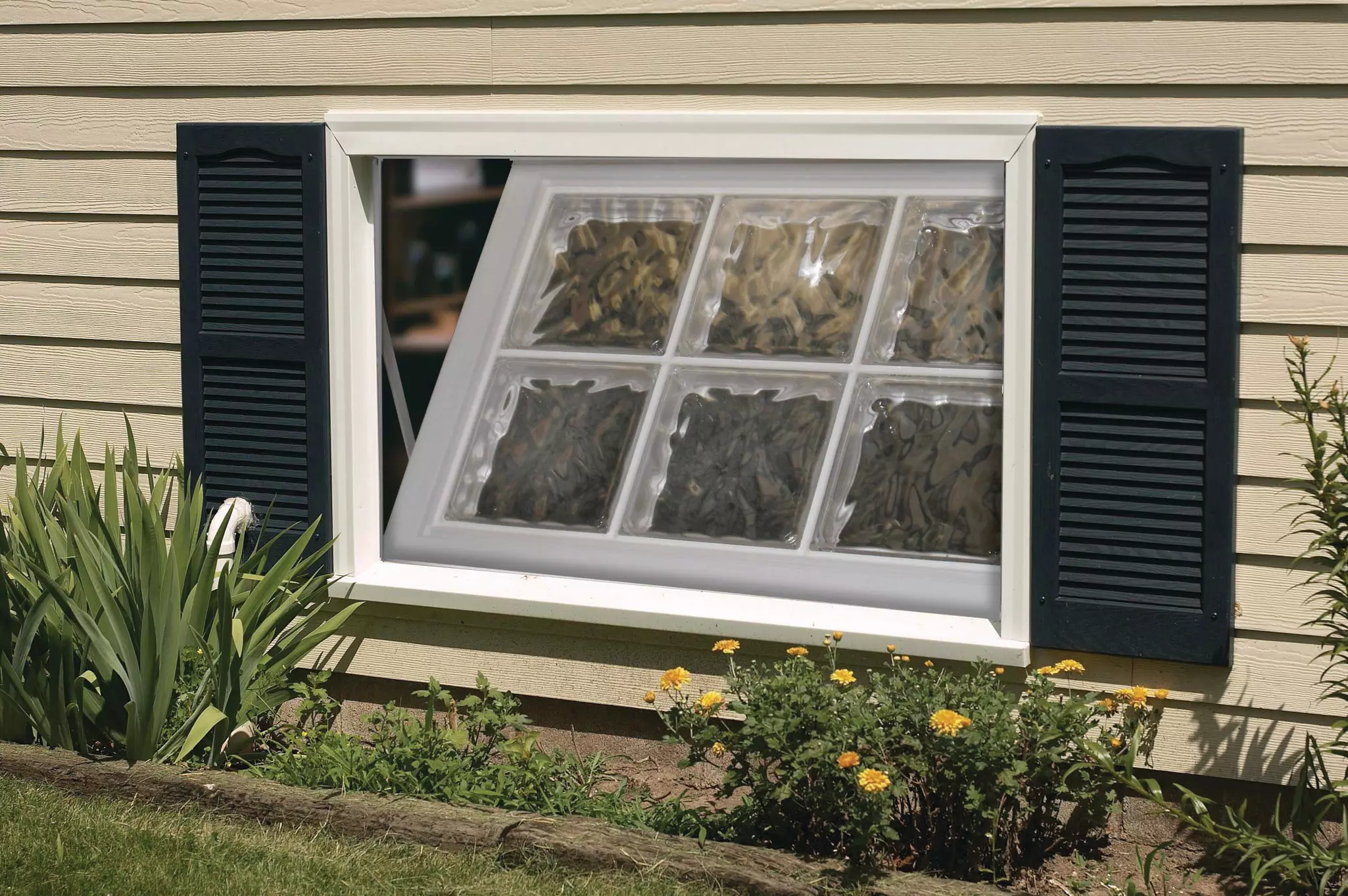
- Basement: Hopper windows, which are hinged at the bottom and open inward from the top, are the standard solution for below-grade ventilation. They're designed for the job, and Window World of the Blue Ridge carries them.
Find the right ventilation windows with Window World of the Blue Ridge
Window World of the Blue Ridge carries the full range of styles covered here – casement, awning, double-hung, sliding, picture, bay and bow, and basement hopper windows – so you can match the right style to every room in your home rather than settling for one-size-fits-all. All of our windows are ENERGY STAR-rated and backed by a lifetime limited warranty, which means good ventilation and strong energy performance aren't competing priorities. You get both.
Ready to start letting in more of that Blue Ridge air? Window World of the Blue Ridge offers free in-home consultations with no pressure and no obligation. Our team can help you figure out which styles make the most sense for your home, your rooms, and the way you actually want to live in them. Request your free quote to get started.