



 Back to Blogs
Comparing Window Directions: North, South, East, & West-Facing Windows!

There are few things that affect your home's comfort more than the direction of its windows. We're serious – in fact, window direction impacts the natural light, energy efficiency, and ambiance of your house. It’s just as important as insulation, siding type, roof design, and other exterior home features.
Whether you're a homeowner, renter, or architect, understanding how each window orientation interacts with sunlight can help you optimize your home’s lighting and comfort. With that in mind, let’s dive into which window direction receives the most light, compare the benefits of different orientations, and explore the unique characteristics of northern, southern, eastern, and western-facing windows.
Which direction of windows gets the most light?
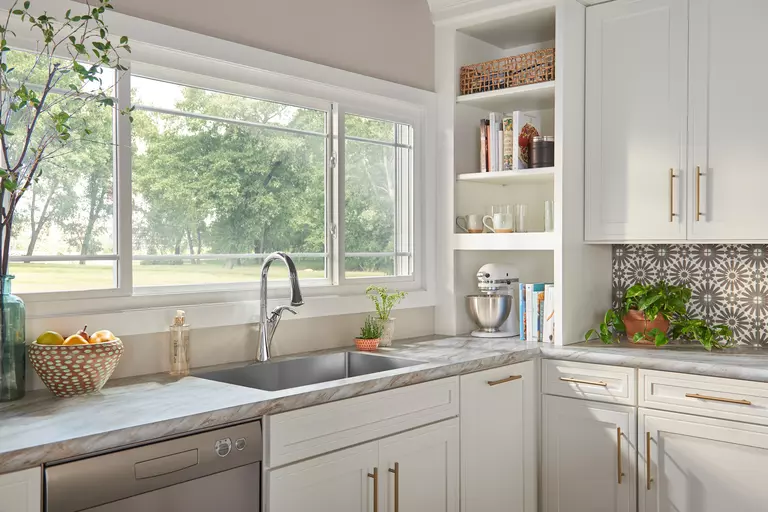
First things first: which window direction is best for maximizing daylight?
Simply put, it’s south for all homes in the northern hemisphere. South-facing windows are exposed to sunlight for the longest duration, providing steady light from morning to evening, making them the best options for homeowners who love getting as much indoor sunshine as possible.
What about the other directions? East-facing windows capture the gentle light of sunrise while west-facing windows catch the intense, golden glow of late afternoon.
North-facing windows, on the other hand, receive the least direct sunlight. But like south-facing windows, northern windows offer a steady stream of sunlight that waxes and wanes throughout the day.
Comparing the best directions for windows to face
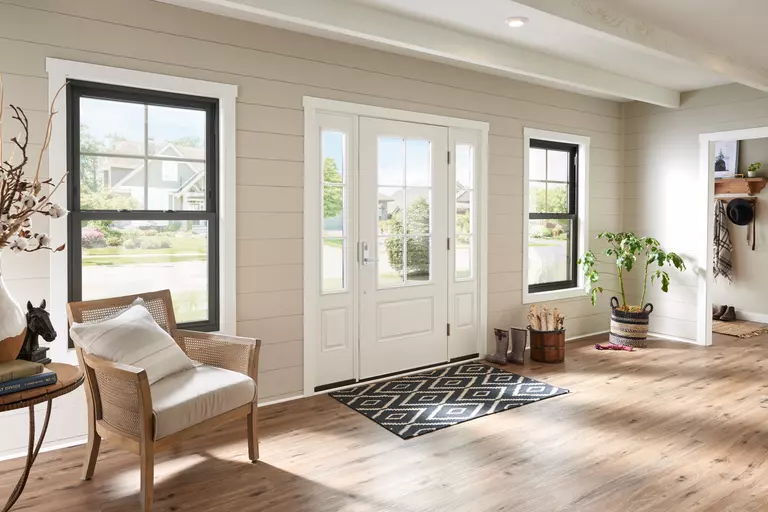
Depending on your home’s location, climate, and personal preferences, the best direction for windows to face will vary. Let’s break it down further!
North-facing windows
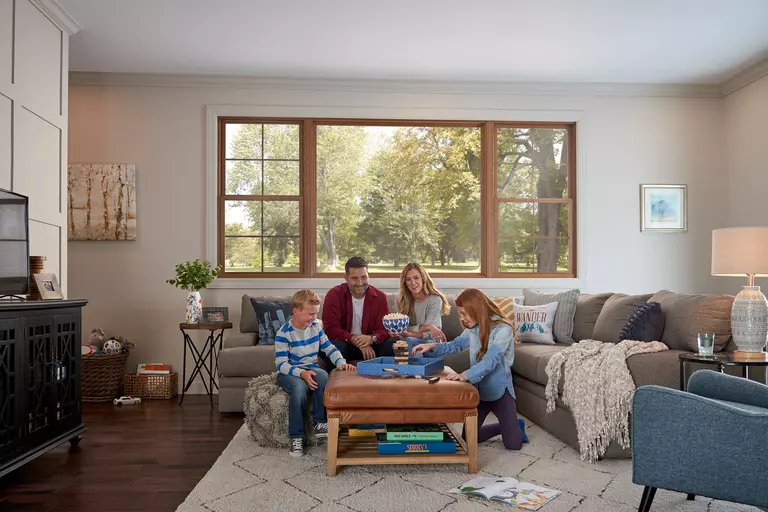
North-facing windows don’t get direct sunlight, which means they create an ambiance that avoids harsh glare and dramatic shifts in lighting. Northern exposure is ideal for spaces where you want calm, diffused natural light through the windows, such as offices, studios, or bedrooms.
On the other hand, that soft light isn’t ideal for warming your home up in winter. That means your heater might need to work harder throughout the day to keep things at a comfortable temperature in a room with northern-facing windows.
Pros:
- Even, natural light without glare
- Ideal for minimizing heat gain in warmer seasons
- Great for activities requiring consistent lighting, such as painting or reading
Cons:
- Limited warmth during colder months
- May feel dim or shadowy in darker seasons
- Not good for growing plants that require abundant sunlight
South-facing windows
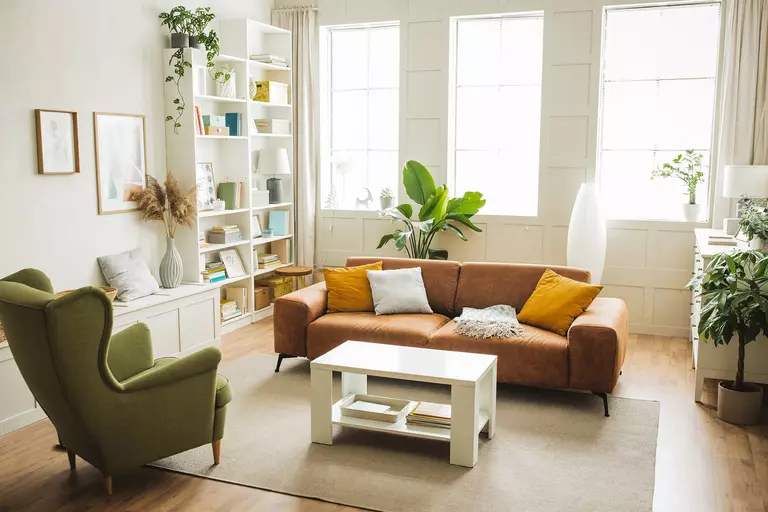
South-facing windows are prized by many homeowners for their ability to capture the most sunlight throughout the day. In cooler seasons, like fall and winter, this orientation is ideal for maximizing natural warmth, making spaces with southern exposure comfortable and energy efficient.
A south-facing window is a popular choice for living rooms, dining areas, and sunrooms where people tend to gather.
Remember that this could flip in the summer, though. Extra sunshine means extra warmth in rooms with southern-facing windows and more time running your AC to compensate.
Pros:
- Maximum sunlight and warmth, especially in winter
- Excellent for solar energy efficiency and passive heating
- Perfect for growing indoor plants and creating vibrant spaces
Cons:
- Can overheat rooms in summer
- Requires shading or blinds to control light and prevent glare
- May fade furniture and flooring over time due to prolonged exposure
East-facing windows

East-facing windows have their charm: specifically, they allow you to greet the day with gentle morning sunlight. As you might guess, these windows are fantastic for spaces like bedrooms or breakfast nooks where soft, warm light is welcome early in the day. As the sun moves westward, east-facing windows are shaded, helping keep rooms cooler in the afternoon.
Pros:
- Gentle morning light creates a warm, inviting ambiance
- Natural cooling during the afternoon reduces overheating
- Great for plants that thrive with moderate sunlight
Cons:
- Minimal light in the afternoon and evening
- May not suit rooms that require light all day
- Morning sun can feel fleeting during shorter winter days
West-facing windows
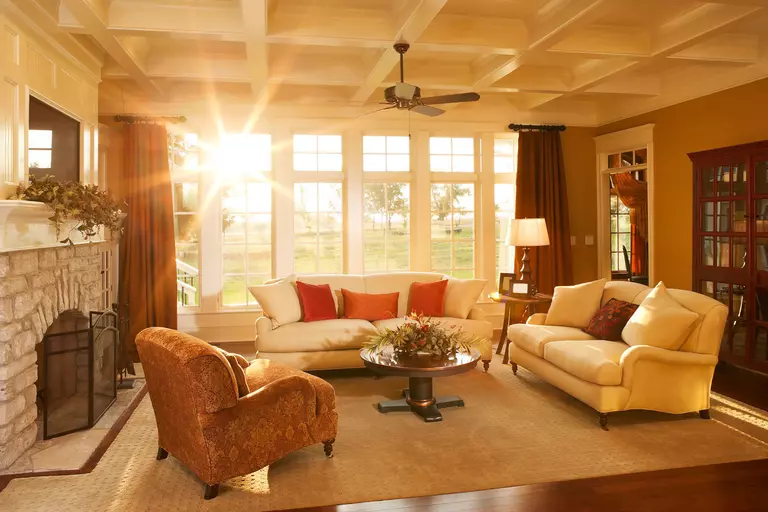
West-facing windows receive vibrant light in the late afternoon and early evening. While this direction creates stunning sunsets and a cozy atmosphere, it can also bring intense heat and glare during the summer months. Given these facts, west-facing windows are best suited for spaces where you enjoy evening light, such as living rooms or patios.
Pros:
- Warm, dramatic light in the late afternoon and evening
- Great for creating a cozy atmosphere at sunset
- Ideal for spaces used in the evening, like family rooms or dining areas
Cons:
- Intense glare and heat during summer afternoons
- May require heavy shading or tinted glass to control the temperature
- Not ideal for spaces that rely on morning light
Choosing the right windows for specific directions
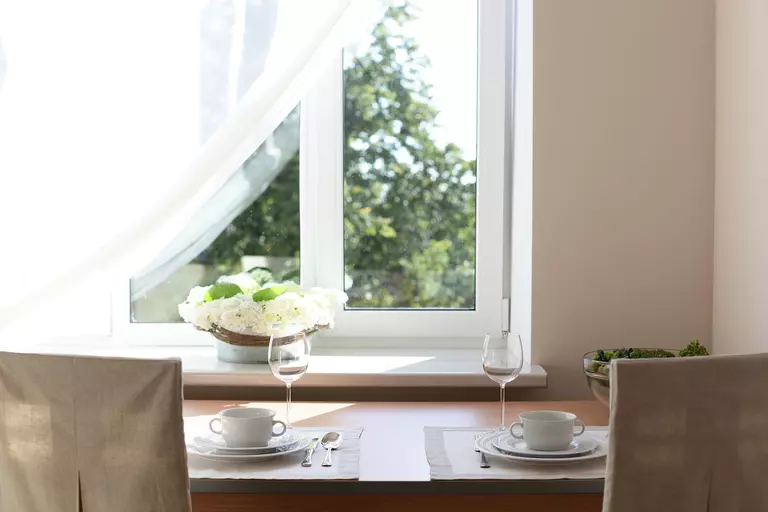
Each window direction brings unique characteristics that can enhance your home depending on your needs. Whether you want a sun-filled retreat, a cool and calming environment, or an energy-efficient setup, understanding these differences will help you make the most of your home’s natural light.
Of course, it’s also a good idea to choose specific windows for certain rooms or directions. Here are a few examples:
- Picture windows are optimal picks for bringing as much sunshine inside as possible. They’re good fits for living rooms, dining rooms, or even your bedroom.
- Garden windows are often situated in kitchens, making them good partners with west-facing or east-facing walls. That way, they get enough light at the beginning or end of the day to promote plant growth, plus illuminate one of the busiest spaces in your home.
- Bay and bow windows are often preferred for. They’re prime windows for east or south-facing homes to ensure they get enough light.
Need some help imagining the best window setup? Our design experts can provide recommendations based on your home’s style, setup, and overall orientation prior to installing new windows for your home renovation.
Pick the perfect windows for your home
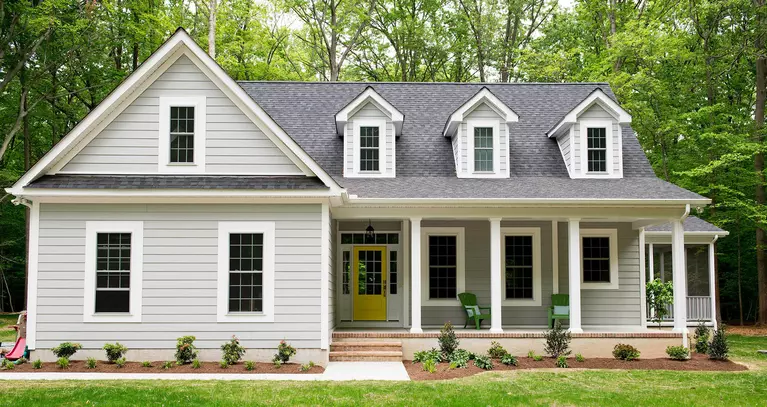
Finding the right replacement windows for a specific direction is one thing. Installing them? That’s another. You’ll want licensed, experienced contractors to handle removing your old windows and placing the new ones, especially if you want a good fit and zero drafts in the winter or summer.
Window World of Blue Ridge has the people, the windows, and the expertise to get the job done. Give us a call at 336-838-9393, request a quote online, or visit our Wilkesboro, NC, showroom in person to learn more about how we can help you make the home of your dreams come to life.