


 Back to Blogs
Comparing Fixed and Operable Window Types for Your Home

Modern, energy-efficient windows come in all kinds of shapes and sizes. But while you can categorize windows based on their role or appearance, there are two types of windows that include all other kinds: fixed and operable windows.
Both windows have their place in a great-looking, comfortable home. For example, some homeowners prefer a sleek, uninterrupted view with a window that does not open, while others prioritize airflow and accessibility with windows that open. Which windows are right for you? Let’s find out together.
What are fixed windows?
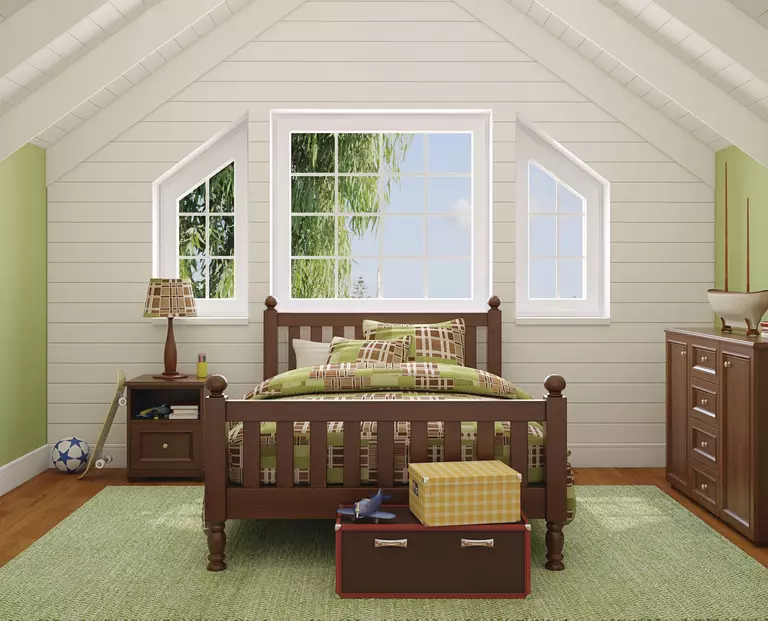
A fixed window is a window that does not open or move. It is permanently sealed within its frame and designed to provide natural light and an unobstructed view. Since they lack moving parts, fixed windows are often more energy-efficient than operable windows.
You can find a variety of fixed window styles, including:
- Picture windows are large, unobstructed windows that offer expansive views.
- Bay and bow are broad windows with angled flanks and extensive sill or bench space.
- Architectural fixed windows are custom-shaped windows that add visual interest to a home’s design.
Because fixed windows do not require hardware for opening or closing, they often have slimmer frames, allowing for larger glass panes and more natural light. Bottom line: Fixed windows are popular choices for many types of rooms and great options for certain window upgrades.
Operable windows explained
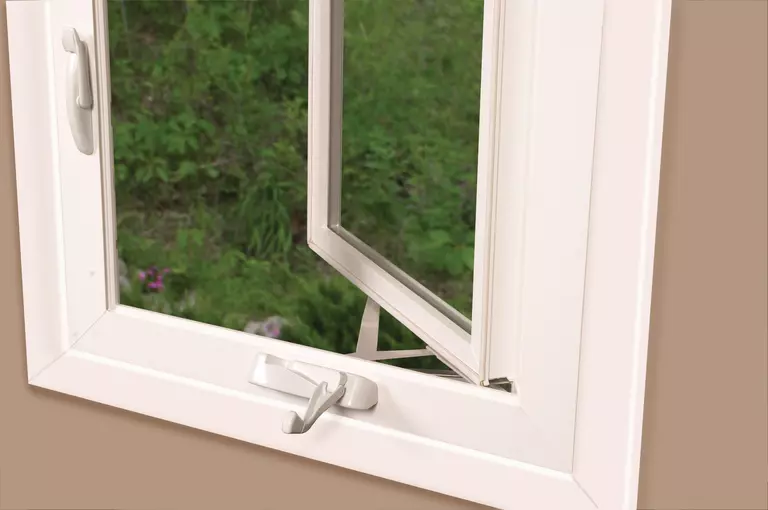
An operable window is a window that opens in at least one direction, providing ventilation and airflow. These windows come in different styles, each offering unique advantages depending on your needs.
Some of the most common operable window types include:
- Casement windows hinge at the side and open outward like a door, offering excellent ventilation.
- Awning windows hinge at the top and open outward, allowing airflow even during rain.
- Double-hung windows feature two sashes that slide up and down for adjustable airflow.
- Sliding windows move horizontally along a track, making them easy to operate.
- Hopper windows hinge at the bottom and open inward, often used in basements or bathrooms.
Since operable windows allow fresh air in, they are commonly placed in living spaces, kitchens, bathrooms, and bedrooms where ventilation is essential. Like fixed windows, operable windows can be ideal options for different rooms or renovation plans.
Comparing fixed windows vs. openable windows
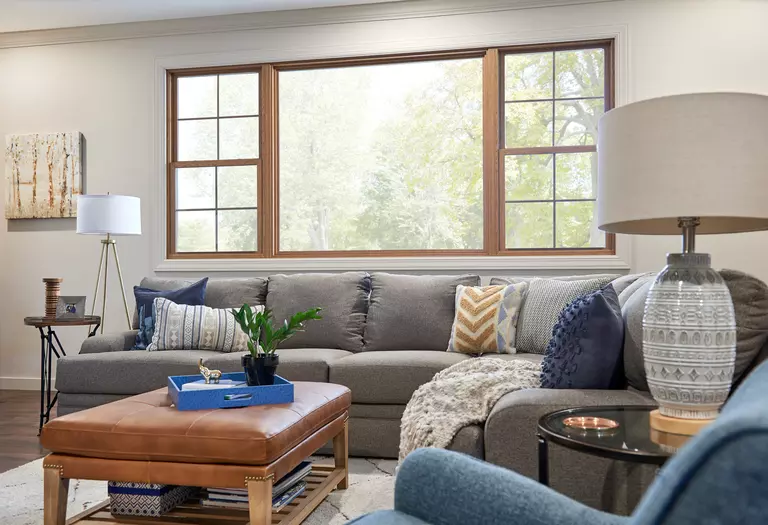
At Window World of the Blue Ridge, both fixed and operable vinyl windows are great choices for a variety of homes in our area. But depending on your goals, budget, and the needs of a particular space, our experts know that one type of window could be better than another. Let’s take a closer look at some of the benefits of fixed windows and operable windows.
Fixed window benefits
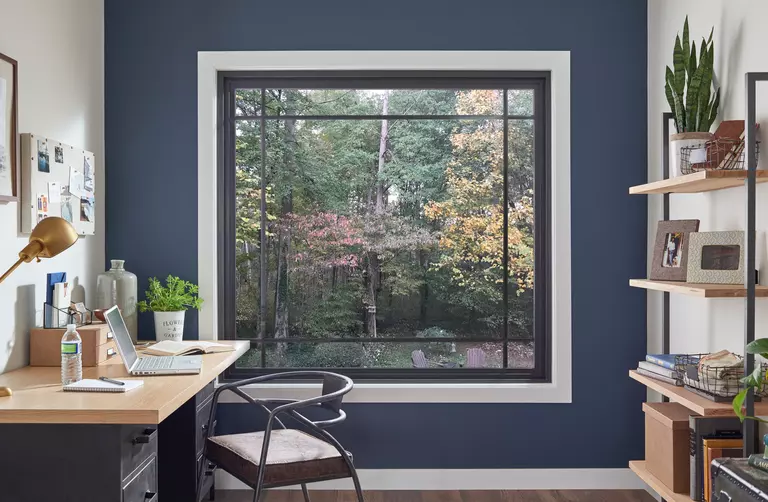
Fixed windows have several big advantages that make them prime picks – especially for living rooms, dining rooms, and other big areas where natural light is essential. For example, fixed windows provide homeowners with:
- Higher energy efficiency: Since fixed windows remain sealed, they offer superior insulation, reducing heat loss and improving energy efficiency. While modern operable windows are still energy efficient, fixed windows are a little better for your home’s overall thermal envelope.
- Uninterrupted views: With fewer frames or hardware, fixed windows maximize your view of the outdoors: a major advantage for rooms where looking outside is essential!
- Lower maintenance: No moving parts mean fewer repairs to fixed windows and less upkeep over time.
- Enhanced security: Fixed windows eliminate concerns about forced entry or accidental openings. If they can’t be opened at all, they also aren’t easy entrance points for anyone uninvited.
- Greater design flexibility: Custom shapes and larger glass sizes can create striking architectural features or help you demonstrate your personal aesthetic sensibilities.
Operable window benefits

Operable windows have their own set of pros to think about, especially if you’re looking to replace or upgrade lots of windows throughout your home. For instance, operable windows offer:
- Improved ventilation: Openable windows allow fresh air to circulate, improving indoor air quality. Open a window on either side of your home to make a refreshing cross breeze.
- Temperature control: Adjustable openings help regulate indoor temperatures naturally (which means less time running your HVAC system).
- Emergency exits: Certain operable window types, such as casement or double-hung windows, can serve as escape routes in the event of a fire or other emergency.
- Added functionality: Many windows that open include screens to keep out insects while letting in fresh air. That’s an excellent feature on days with great weather.
Choosing the right operable and fixed window ratio in your home
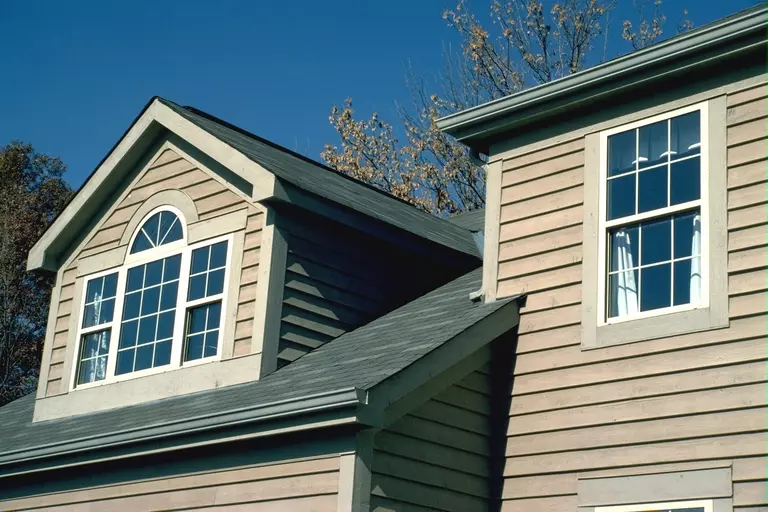
To sum up, operable and fixed windows both have a place in any home. If you’re a resident in our area, our team would be happy to consult with you and help you decide which windows go where.
If you’re not sure where to start, we recommend trying to find a balance between fixed windows and operable windows when designing your home’s layout. These are some key considerations that our experts at Window World of the Blue Ridge use that can also help you decide:
- Room function: It’s a good idea to prioritize operable windows in areas where ventilation is crucial, such as kitchens, bathrooms, and bedrooms.
- View vs. airflow: If a stunning view is the focus, fixed windows may be ideal. However, pairing them with windows that open can provide both scenery and ventilation in the same space, so don’t feel like you have to pick one or the other for any particular room.
- Energy efficiency: Too many operable windows can lead to air leaks, affecting energy efficiency. Consider placing fixed windows in areas where airflow isn’t a priority to maximize your energy bill savings.
- Aesthetics: A combination of fixed and operable window types can create an attractive and functional design, especially if you’re upgrading windows along the front side of your home.
- Climate: In warmer seasons, maximizing airflow with openable windows can reduce reliance on air conditioning. In colder months, on the other hand, more fixed windows can help with insulation.
Ask about the right balance of fixed and operable windows at Window World
There’s a lot to think about when you’re planning your next window renovation. The team at Window World of the Blue Ridge can help, whether you’re still searching for the best fixed or operable windows or need help with planning and installation. Our certified installers can assist with window choice, replacement, maintenance, and more – and it all starts with an online consultation or by calling (336) 838-9393 today!