



 Back to Blogs
How Much Energy Can New Windows Save for Your Home?
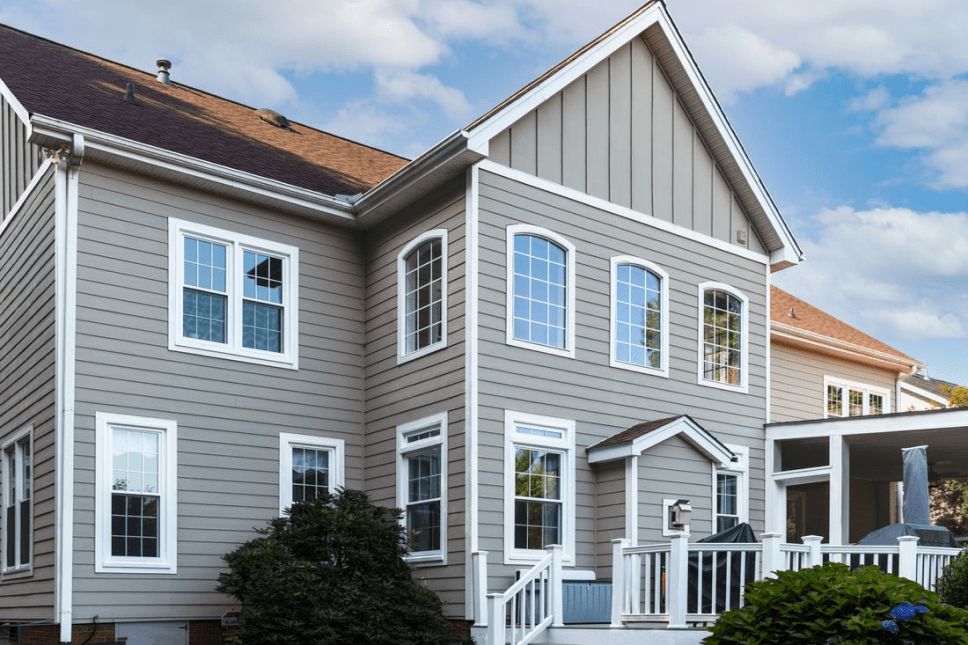
If you’re considering replacing your home’s windows, you’ve probably heard the buzz around energy-efficient windows. The right set of modern windows can do more than just update your home’s aesthetic – they can significantly reduce your energy consumption, ease the strain on your HVAC system, and even lead to meaningful monthly savings.
When your home’s windows start to leak air or look their age, replacing them with energy-efficient windows is a no-brainer. But how much energy can new windows really save? Let’s break down how they work, how they save money, and how long it takes before they practically pay for themselves!
How do energy-saving windows work?
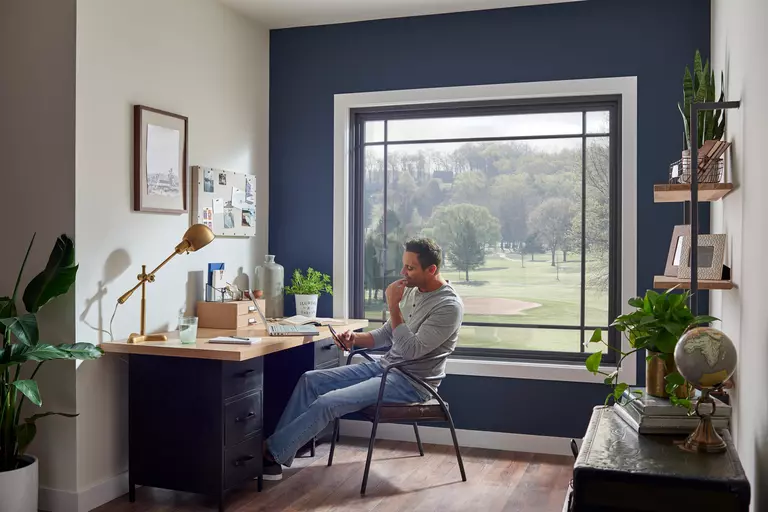
Today’s energy-efficient windows are designed to do one job very well: reduce the amount of heat transfer between the inside and outside of your home. This thermal insulation is achieved through a combination of technologies, each playing a critical role in improving energy performance.
Warm-edge spacers
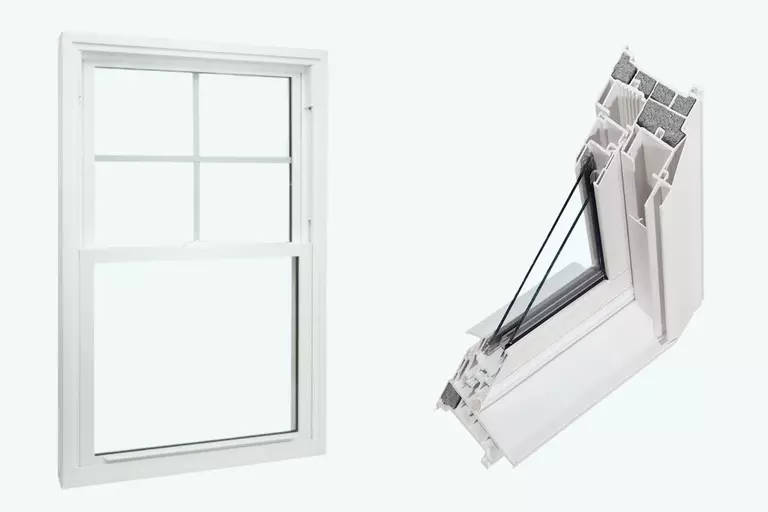
Warm-edge spacers are one of the lesser-known components in energy-saving windows, but they make a big difference. These are the tiny yet essential materials that separate panes of glass in a multi-pane window.
Unlike older metal spacers that conduct heat, warm-edge spacers are made from less conductive materials like silicone foam or structural foam. They help maintain a consistent temperature across the window surface, reducing condensation and minimizing heat loss around the edges. At Window World of the Blue Ridge, we use spacer systems for each of our vinyl windows and wood-clad aluminum exterior windows to extend their lifespan and improve energy efficiency.
Low-E coatings
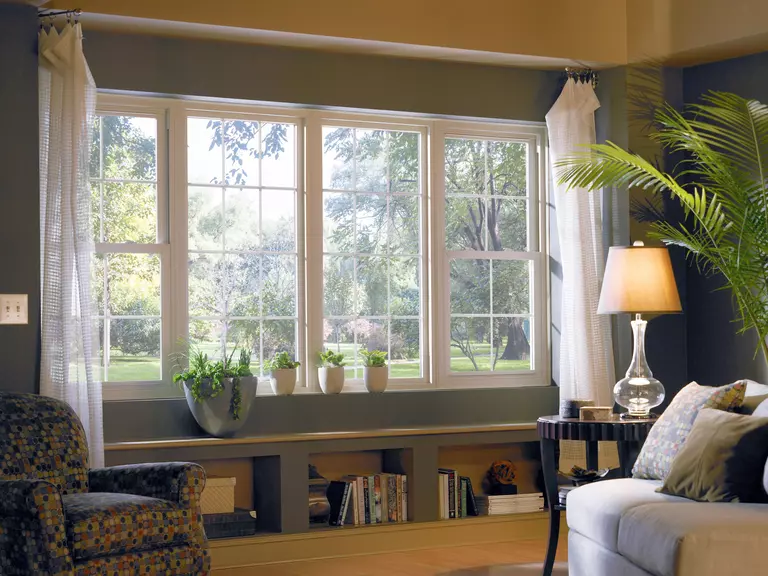
Low-emissivity (Low-E) glass coatings are super-thin layers of metal or metallic oxide applied to the glass. They allow natural light in but reflect infrared energy, helping your home stay warmer in winter and cooler in summer. And on top of that, these reflective coatings are nearly invisible, so they won’t affect your view outside.
Multi-pane glass
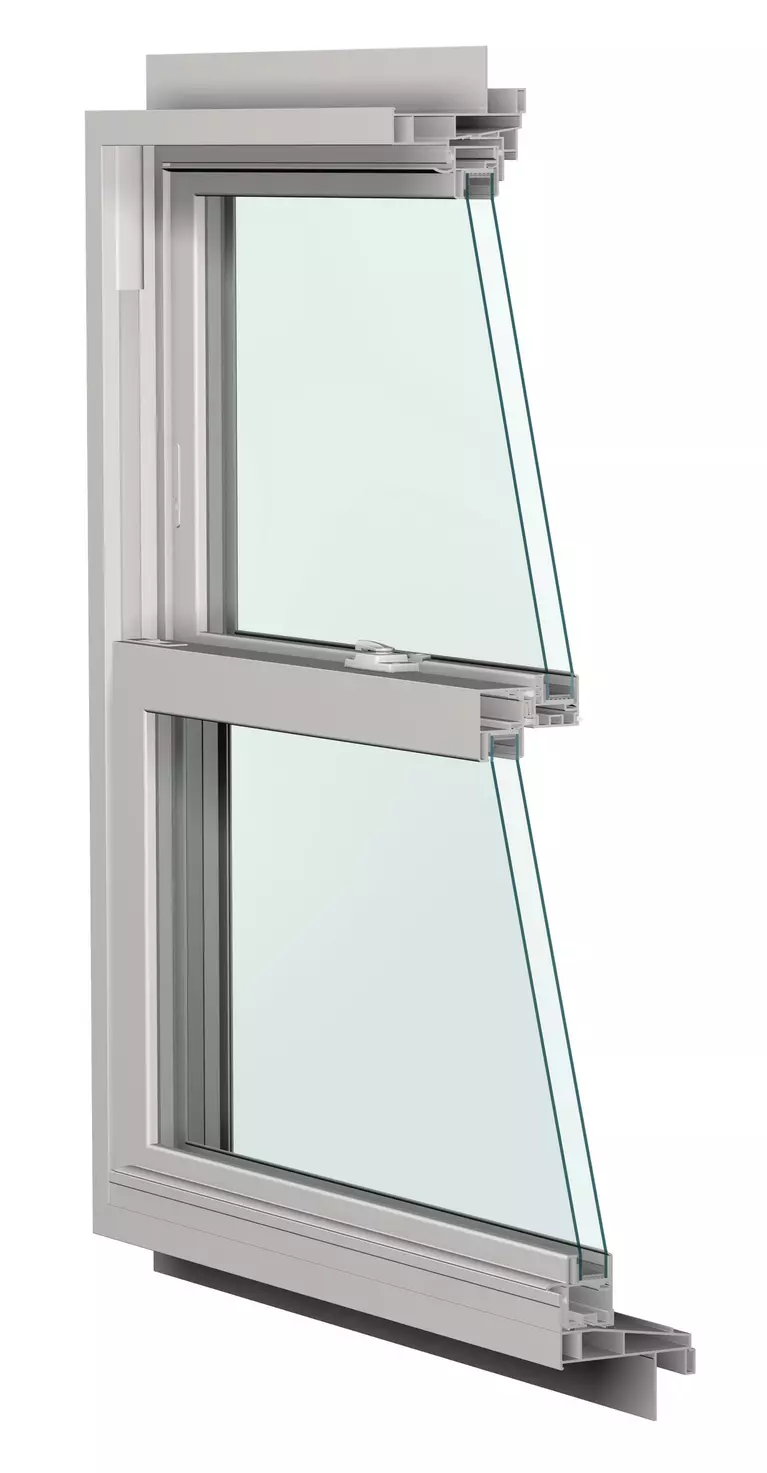
All energy-saving windows are made with multiple panes of glass, typically two or three, that create insulating layers that slow down thermal transfer. Air alone is a poor insulator, which is why energy-efficient windows also use these innovations below.
Insulating gas

Insulating gases, like argon or krypton, are inserted between the glass panes. These denser-than-air gases lower the movement of heat through the glass, making your modern windows even more energy efficient. Argon is the most common thanks to its effectiveness and affordability, and it’s what we use in our own energy-efficient windows.
Together, these high-tech features create a window system that works as a thermal barrier, maintaining your home's interior comfort and reducing your reliance on heating and cooling systems at the same time.
Can energy-saving windows save you money?
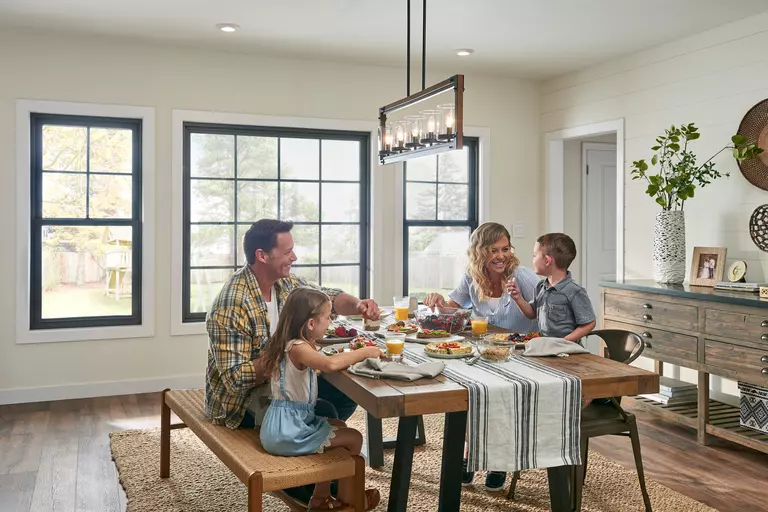
Newer windows with energy-saving features can absolutely save you money as well. It all comes down to how much less your HVAC system has to work.
When your windows do a stellar job of keeping outdoor temperatures from leaking inside, your furnace or air conditioner doesn’t have to kick on as often. That directly translates into less energy consumed and lower utility bills.
In the summer, energy-efficient windows keep the sun’s heat out while still letting in natural light. In the winter, they trap warm air inside where it belongs. The result is a more comfortable home with fewer hot and cold spots.
They’ll also enhance curb appeal and resale value
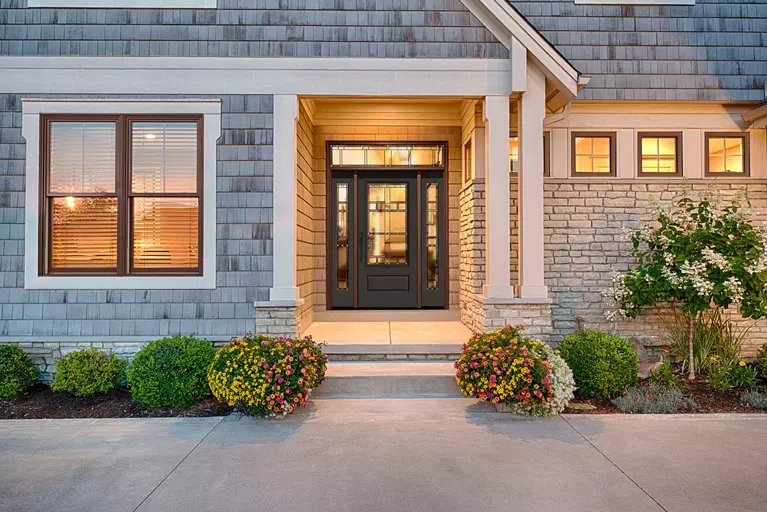
Energy-saving windows don’t just save you money. If you install them at the right time, they can actually make you money, from a certain point of view.
Great-looking, eco-friendly windows can refresh the look of your home, giving it a cleaner, more modern appearance. And because buyers are increasingly looking for energy-efficient features, new windows can boost your home’s resale value – sometimes even covering a good portion of the initial investment when it’s time to sell.
When homeowners in the Wilkesboro area install energy-efficient windows, their investment could end up paying for itself when selling the home in the future. When you combine the extra money you make with the money you save each month on utilities, upgrading to newer windows makes sense for any home, even if it won’t be on the market any time soon.
How much will new windows save on energy bills?

The actual dollar amount of your new windows’ energy savings will vary based on your home’s size, your existing windows’ condition, and the number of windows you have installed.
However, the U.S. Department of Energy estimates that homeowners could see their household energy bills reduced by up to 13% on average if they replace single-pane windows with ENERGY STAR-certified models. This translates to about $125 to $465 per year in savings. That extra cash can easily add up year after year, especially as energy prices rise.
Don’t forget tax credits

If you get new windows installed before 2032, you might qualify for a federal tax credit equal to 30% of the total cost of your installation, up to $600 per year. The money you save from end-of-year taxes could reduce your out-of-pocket expenses and speed up your return on investment.
Combined with local utility rebates or incentives, your upfront cost for new energy-saving windows could be lower than you think!
How long to recoup the costs of new windows
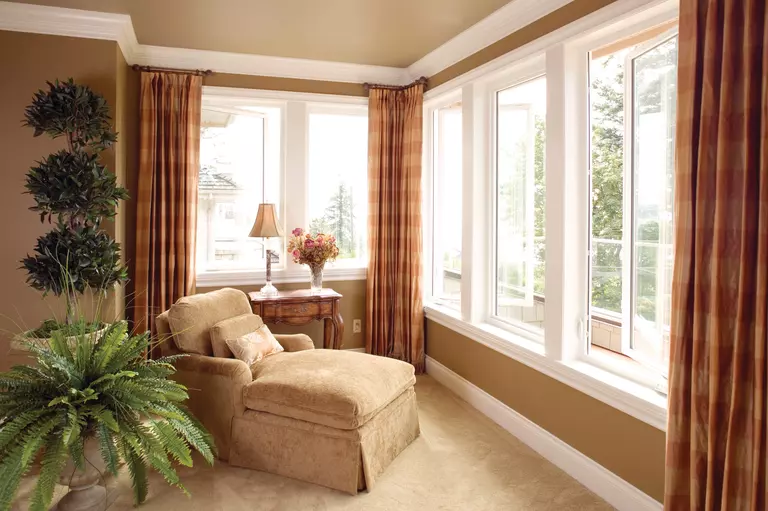
This is all well and good, but if you’re planning to replace lots of windows at once and make a big investment, it’s wise to ask: how long will it be until you see those costs recouped? Let’s take a look at the average window installation cost and savings.
New energy-efficient windows generally cost between $600 and $1,200 per window installed, depending on material, style, and customization. For a typical home with 10 to 15 windows, you’re looking at an investment between $6,000 and $18,000 if you want to replace all of them.
Now, imagine that your new windows help save around $300 per year on energy bills (a common mid-range estimate). That means you could recover your costs in 10 to 15 years. Factor in tax credits, rebates, increased home value, and reduced maintenance over time, and the long-term value looks even better.
Find new energy-saving windows at Window World of the Blue Ridge
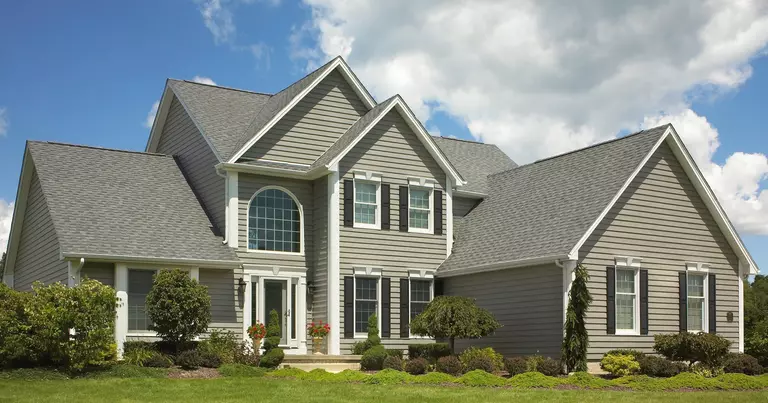
Savings, higher curb appeal, and a better asking price if you ever decide to sell your home: all of these make energy-saving windows a terrific investment. At Window World of the Blue Ridge, we can help you bring your renovation dream to life.
With a wide range of quality windows to choose from, each installed by certified experts, we’re the ideal partner for your next home improvement project. Request a free quote today online to learn more – and to discover just how much you could save when your new windows pay you back!