


 Back to Blogs
Is Insulated Vinyl Siding Worth It?
Upgrading your home's exterior is a big decision – one that affects not just how your house looks, but how it performs for years to come. With energy costs on the rise, more homeowners are turning to insulated vinyl siding as a solution that delivers both comfort and long-term value.
But what exactly is insulated vinyl siding, and is it worth the extra cost compared to standard vinyl? At Window World of the Blue Ridge, our vinyl siding installation team has helped countless homeowners in Wilkesboro, Boone, and surrounding North Carolina counties make smart decisions about siding replacement. Let's explore what makes it different and whether it's the right investment for you.
What is insulated vinyl siding?
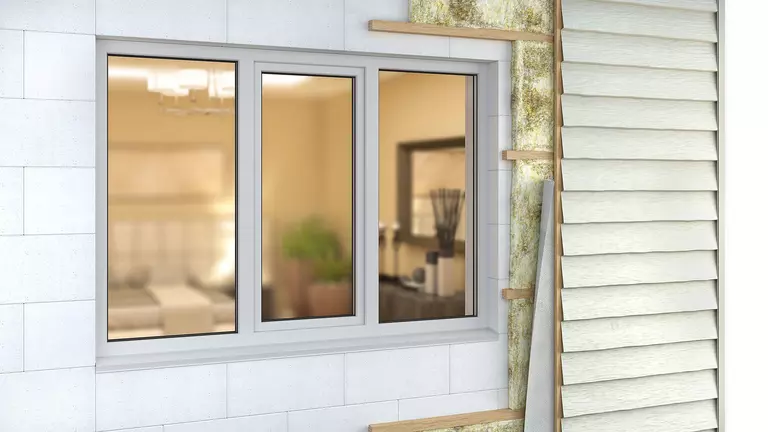
Insulated vinyl siding is traditional vinyl siding with a layer of foam insulation permanently bonded to the back. More than simply vinyl with some loose insulation tucked behind it, insulated siding is an integrated product designed to protect your home while boosting its energy efficiency.
Here’s how it works:
- A rigid foam core, typically made from expanded polystyrene (EPS), is contoured to match the profile of the vinyl siding panel
- This foam backing is permanently attached to the vinyl during manufacturing
- When installed, it forms a continuous layer of insulation across your home's exterior walls
The foam insulation comes in varying thicknesses, which affects the siding's R-value. R-value measures a material's resistance to heat flow: the higher the number, the better it insulates.
Most insulated vinyl siding products fall in the R-2 to R-5 range. While that might not sound like much compared to wall insulation, it makes a noticeable difference when you consider that standard vinyl siding has virtually no R-value at all.
Advantages of vinyl siding with insulation
Insulated vinyl siding brings a lot to the table, and for many homeowners, the benefits go well beyond just energy savings. Here's what makes it stand out:
- Improved energy efficiency. The foam backing provides better thermal performance than regular vinyl siding, helping to keep conditioned air inside your home where it belongs. In winter, it reduces heat loss. In summer, it helps keep the heat outside. Over time, that translates to lower energy bills.
- Enhanced durability. The rigid foam backing adds structural support to the siding, making it more resistant to dents and impacts.
- Noise reduction. Here's a benefit that often surprises homeowners: Insulated vinyl siding dampens outside noise. The foam layer acts as a sound barrier, reducing traffic, lawn equipment, and other outdoor sounds that make it into your home.
- Better curb appeal. Because of the foam backing, insulated vinyl siding lies flatter and more uniformly against your home's exterior walls. You'll see fewer ripples or uneven spots, resulting in a smoother, more polished look.
- Moisture management. While the foam backing provides insulation, it's also designed to allow moisture to escape from your home's walls. Properly installed insulated vinyl siding sheds water on the outside while letting your home breathe on the inside.
- Low maintenance. Like all vinyl siding, the insulated version never needs painting. It resists fading, stands up to the elements, and cleans easily with just soap and water.
- It’s budget friendly over time. Yes, insulated vinyl siding costs more upfront than standard vinyl. But when you factor in the energy savings, reduced maintenance, and long lifespan, it becomes a smart financial choice. Over time, the energy efficiency improvements help offset that initial investment.
Regular vinyl siding does a great job of protecting your home from the elements and providing a finished look. But it doesn't offer any insulating value on its own. Insulated vinyl siding adds that thermal performance while keeping all the benefits of traditional vinyl: durability, low maintenance, and long-lasting color.
When insulated vinyl siding makes sense to install
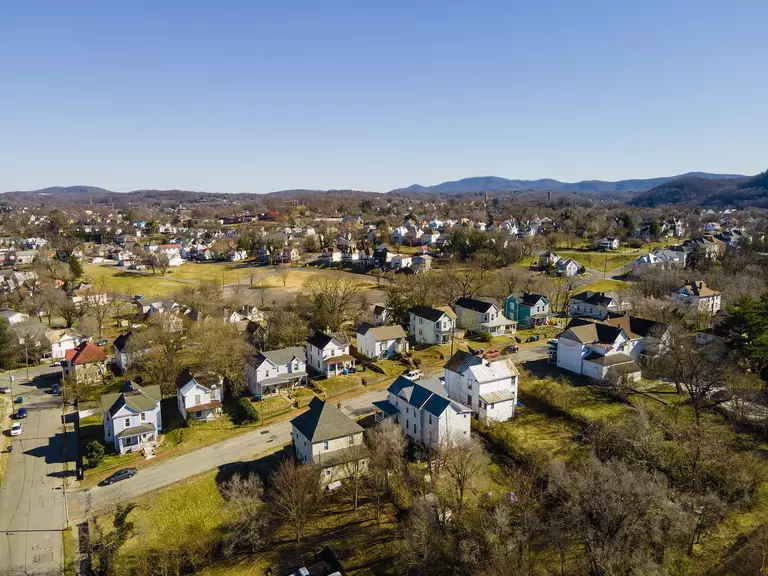
So, is insulated vinyl siding worth the extra cost? For many homeowners in the foothills, the answer is a clear yes. In fact, there are lots of situations where insulated vinyl siding is the flat-out best choice for your home and our climate, including:
- If you live in a region with seasonal temperature swings, insulated vinyl siding is a smart investment. Our winters can be cold, and heating costs add up quickly. The added insulation helps keep your home warmer without overworking your furnace, which translates to real savings on your energy bills. And in the summer, that same insulation keeps your home cooler, reducing the load on your air conditioning system.
- Homes with attached garages or bonus rooms above garages also benefit significantly from insulated siding. These areas are often harder to heat and cool because they're more exposed to outdoor temperatures. Adding insulated siding creates a thermal barrier that makes these spaces more comfortable and energy efficient.
- Older homes with poor existing insulation are another great candidate for insulated vinyl siding. If your house was built decades ago, chances are the wall insulation isn't up to modern standards. While insulated siding won't replace the need for proper wall insulation, it adds an extra layer of protection that helps improve overall energy performance. Think of it as wrapping your home in a thermal blanket.
- For homeowners who prioritize energy savings and want to reduce their environmental footprint, insulated vinyl siding is worth every penny. It's one of the most effective exterior upgrades you can make to improve energy efficiency, and the savings compound over the years. Combine that with the comfort benefits – more consistent indoor temperatures, fewer drafts, less noise – and it's easy to see why so many people choose insulated vinyl over standard options.
Why professional siding installation is essential for insulating your home
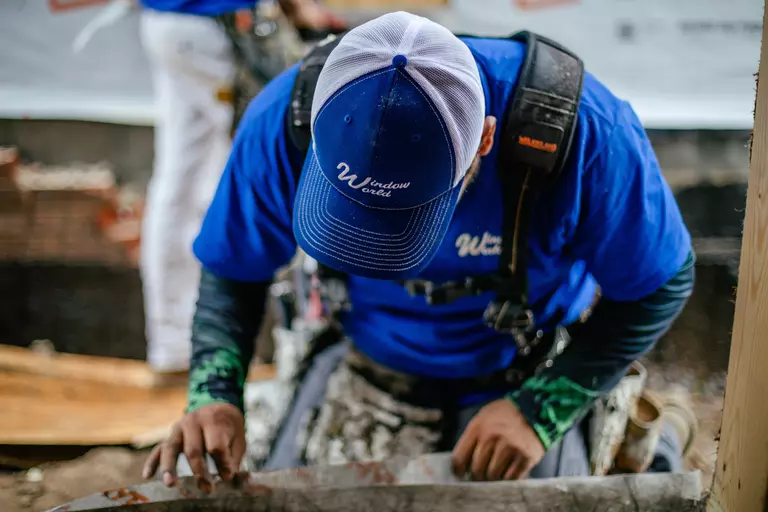
Here's something that can't be overstated: Insulated vinyl siding is only as good as the installation. Even the highest-quality vinyl siding won't perform as intended if it's not installed correctly.
Proper insulated vinyl siding installation requires:
- Correct nailing, spacing, and fastening techniques that allow for expansion and contraction with temperature changes
- Proper panel alignment to create secure, weather-tight seals
- Intact moisture barriers and house wrap installed before the siding goes up
- Building code compliance for safety and performance standards
Meanwhile, if your siding isn’t professionally installed, you could encounter issues like:
- Reduced energy efficiency from gaps and air leaks that undermine the insulation's effectiveness
- Moisture problems that can lead to mold, rot, or even structural damage
- Voided warranties, leaving you without protection if issues arise
At Window World of the Blue Ridge, our installation teams are trained, experienced, and committed to doing the job right. We understand the local climate and building codes, and we know the precision it takes to make insulated vinyl siding perform at its best. From the first measurement to the final inspection, we pay attention to every detail to ensure your siding is installed correctly and built to last.
Insulated vinyl siding FAQs
Q: How much does insulated vinyl siding cost compared to regular vinyl?
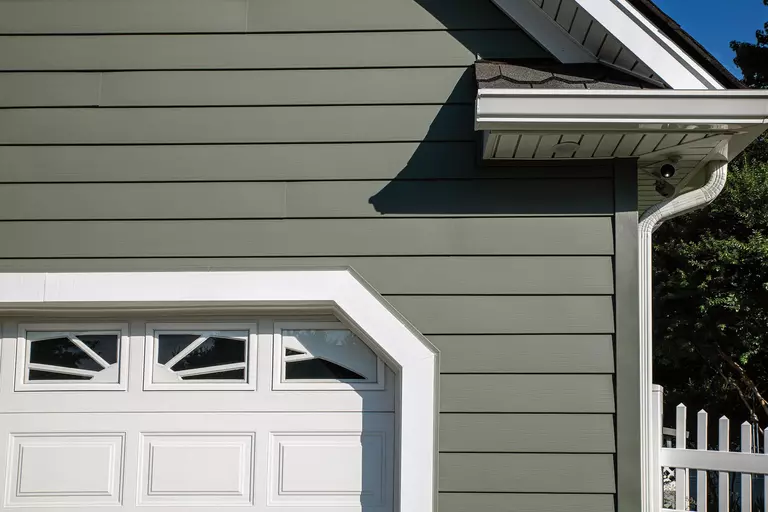
A: Insulated vinyl siding typically costs 20–30% more than standard vinyl siding upfront. However, the energy savings and increased durability often offset this difference over time, making it a smart long-term investment.
Q: How long does insulated vinyl siding last?
A: Quality insulated vinyl siding can last 30–40 years or more with minimal maintenance. The foam backing actually helps extend the life of the siding by providing structural support and protecting against impacts.
Q: Does insulated vinyl siding really lower energy bills?
A: Yes, most homeowners see a noticeable reduction in heating and cooling costs. The exact savings depend on your home's size, existing insulation, and local climate, but the continuous thermal barrier helps reduce energy loss year-round.
Q: What's the R-value of insulated vinyl siding?
A: Most insulated vinyl siding products have an R-value between R-2 and R-5. While this may seem modest, it's a significant improvement over standard vinyl siding, which has virtually no insulating value.
Q: Is insulated vinyl siding available in different colors and styles?
A: Absolutely. Insulated vinyl siding comes in a wide range of colors, textures, and profiles to match any architectural style. The foam backing doesn't limit your design options.
Q: Will insulated vinyl siding help with condensation problems?
A: When properly installed with the right moisture barriers, insulated vinyl siding can actually help manage moisture by allowing your walls to breathe while keeping water out. However, it's not a solution for existing moisture issues, which should be addressed before installation.
Q: Does insulated vinyl siding require special maintenance?
A: No, it requires the same minimal maintenance as standard vinyl siding – just occasional cleaning with soap and water. The siding resists fading, never needs painting, and holds up well to the elements.
Request a quote for insulated vinyl siding today
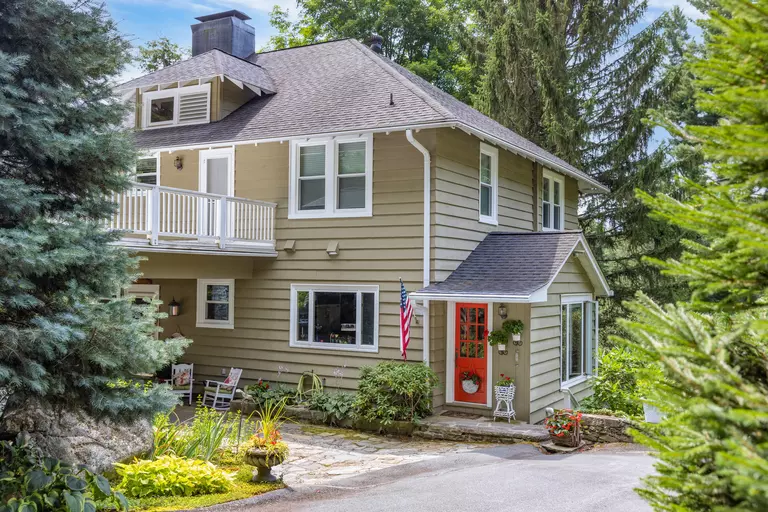
Insulated vinyl siding offers a compelling combination of energy efficiency, durability, low maintenance, and long-term value. For homeowners in our region, where winters are cold, summers can be humid, and the weather is unpredictable, it's an upgrade that makes sense on multiple levels. The added insulation of our 6000 Series siding helps reduce heating and cooling costs, plus its reinforced construction stands up to impacts and extreme weather. Let our design experts walk you through how to get insulated, low-maintenance siding that keeps your home looking great for decades.
Explore the range of high-quality vinyl siding options we have at Window World of the Blue Ridge. Ready to explore your options? Request a quote online or call us for a free, no-obligation consultation.