



 Back to Blogs
How to Make Your Home More Energy-Efficient
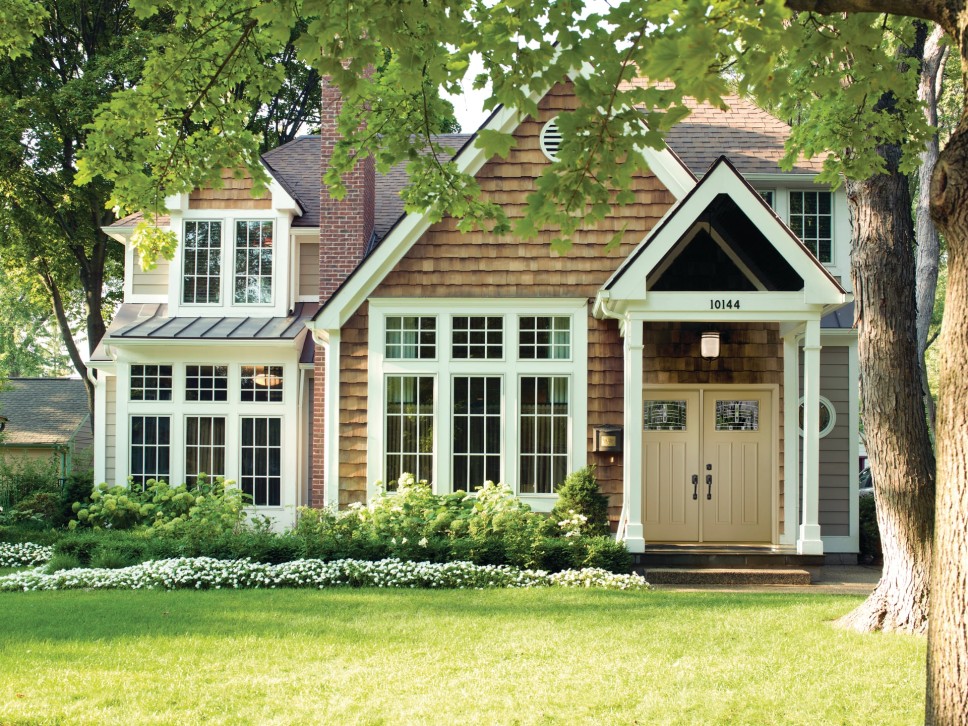
The best home improvement projects add direct value to your property. While some renovations do that through installing new elements for your house – like installing a back deck overlooking your yard – other projects provide value by boosting energy efficiency. After all, the energy efficiency of your home can impact your monthly bill, your comfort, and the resale value of your property should you ever decide to sell.
Making an energy-efficient home doesn’t have to be expensive - If you want to know how to make your home more energy-efficient, read on. We’ll explore nine key energy-efficient home ideas you can implement at your Blue Ridge property in the future.
1. Order an energy audit to improve energy efficiency in the home
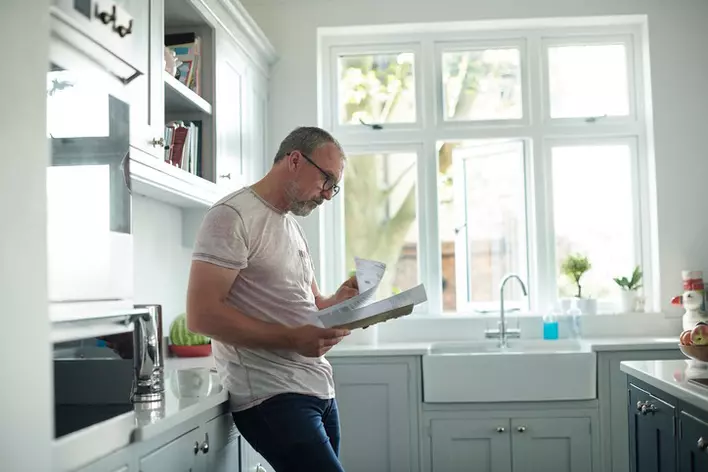
Before you buy anything or order something to be taken apart, take this critical initial step! An energy audit – sometimes called an energy evaluation – involves a comprehensive examination of your home’s energy use. You can do it yourself or hire a professional appraiser. In any case, an energy audit tells you:
- How energy-efficient your home is
- What areas stand to gain the most benefit from improvements (e.g., the windows, the doors, etc.)
By ordering or carrying out an energy audit, you’ll know how to best use your limited home renovation budget.
2. Tune up your home’s ventilation system
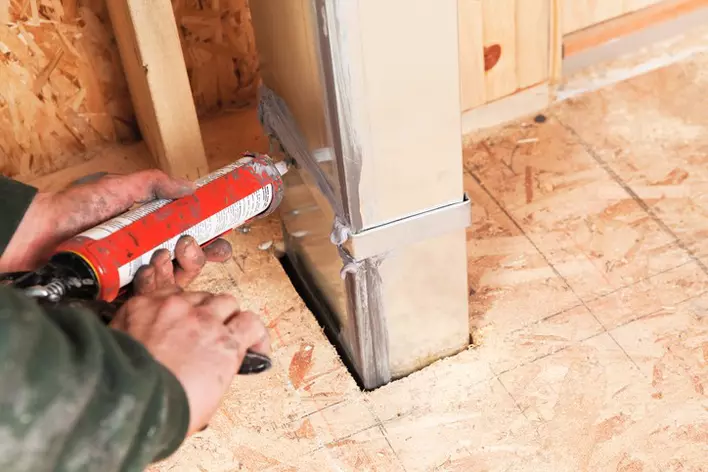
If your Blue Ridge house is more than a few years old, odds are the ventilation system could use a little fixing up. Dust and clean the vents throughout your home, then look at your air ducts (you can often find them in the attic). If you notice any leaks, seal them up with caulk or hire professionals to do a thorough inspection and fix any elements that need repairs.
A leaky ventilation system might cause your AC and heating systems to work overtime to keep your home feeling comfortable. Even by itself, that problem could be a major drain on your finances (not to mention, keep you feeling chilly in the winter, even with the thermostat cranked up).
3. Insulate the attic for energy efficiency
Does your home have an attic? That room alone could be responsible for tons of energy waste, especially when it comes to heat.
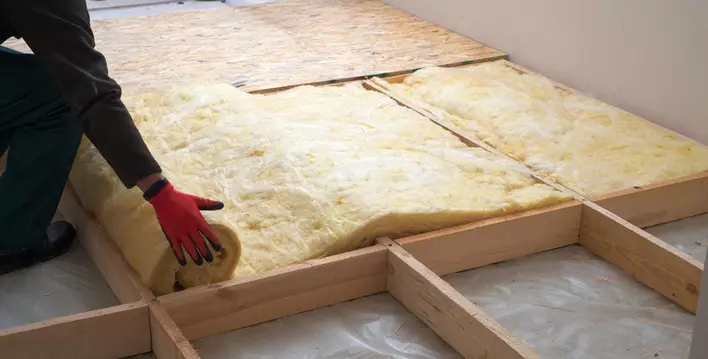
Indeed, your attic is one of the most likely spots for heat loss during the winter. Given that fact, it’s a no-brainer to insulate your attic with basic insulating materials like loose filler, blankets, or rigid fiberglass sheets. No matter how you choose to insulate your attic, you’ll notice lower energy costs in no time.
Fortunately, this energy-efficient home renovation won’t break the bank either. Expect to spend a few hundred dollars at most for this fix.
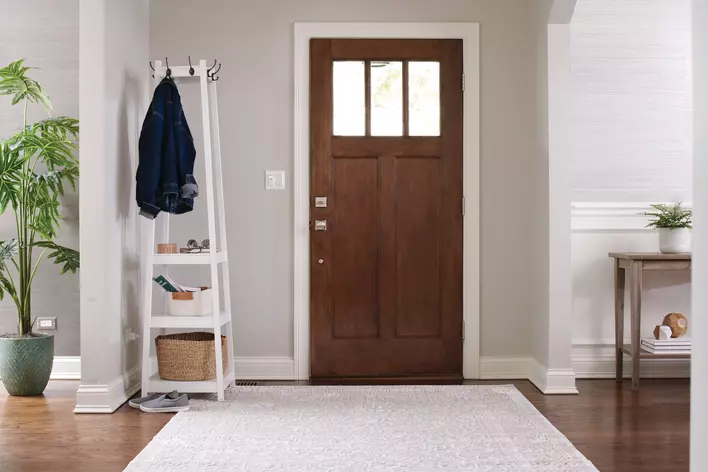
4. Replace old windows and doors with energy-efficient alternatives
When you walk through your house, you might notice a draft as you come close to certain windows or entry doors. If one or more of these locations is old, leaky, or poor-looking, consider swapping them out for new and energy-efficient models.
Energy-efficient windows boost home value, especially if you replace large variants like picture windows. That’s because they provide two benefits:
- They look fantastic, giving you unparalleled sightlines outside with crystal-clear glass
- They leak less air-conditioned or heated air outdoors. Energy-efficient windows accomplish this with durable seals and dual-pane glass filled with insulating gas. Wincore Windows’ 5400 Series Single Hung Windows demonstrate this perfectly
A new door, meanwhile, could make your home look more welcoming than ever to guests while also cutting down on chilly drafts. Therma-Tru’s entry doors are especially excellent options for energy-efficient homes, as they combine aesthetic elegance with energy efficiency.
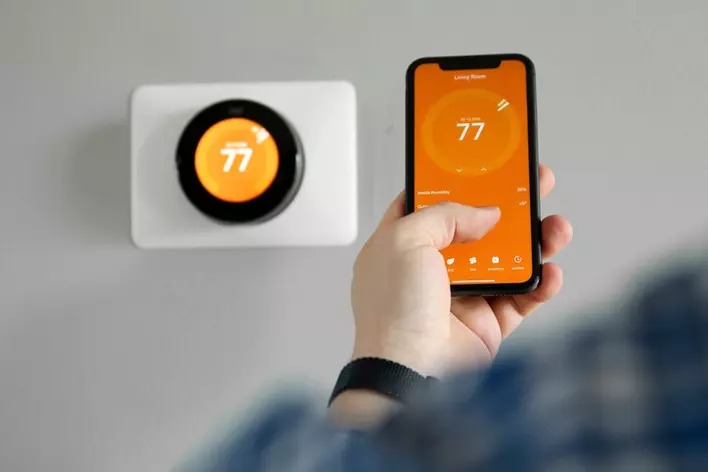
5. Install a programmable thermostat for energy savings
A programmable thermostat – sometimes called a smart or Wi-Fi thermostat – is a popular addition to any smart home network. With a smart thermostat, you can tell your smart home to automatically adjust the heating or air conditioning settings based on the time of day, whether you’ll be in your house, and so on.
Though they require an upfront investment of $150 or so, they’re highly convenient and can meaningfully contribute to energy savings. Even better, most smart thermostats can be controlled remotely through a smartphone app; imagine being able to turn on your heater in winter before you get home when you drive back from Christmas vacation!
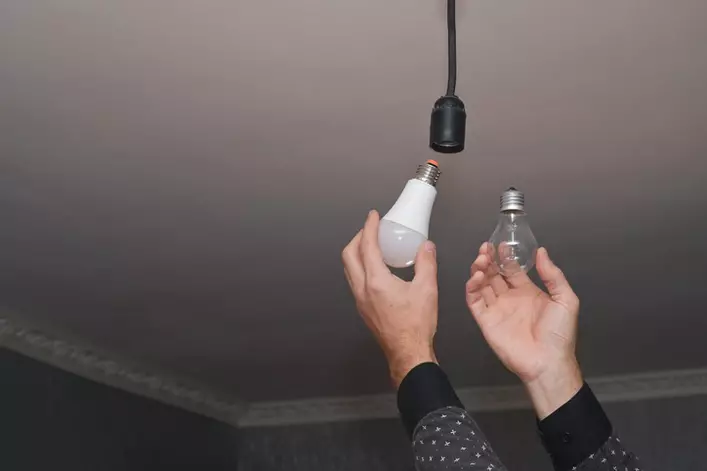
6. Swap old light bulbs for ENERGY STAR-certified ones
Take a brief tour of your home’s lightbulbs. Are they ENERGY STAR-certified? If not, you can change that by going to the grocery store or local home improvement store. Pick up eco-friendly, ENERGY STAR-certified bulbs and reap the rewards in no time.
According to energystar.gov, ENERGY STAR-certified lightbulbs:
- Only use 10% of the energy compared to standard bulbs
- Last at least 15 times longer than normal bulbs
- Produce much less heat (so your AC is much more effective)
When all is said and done, there’s no reason not to use energy-efficient bulbs. It is one of the simplest ways to improve energy efficiency in a home. They look, feel, and perform better than others. This is one of the cheapest and fastest ways to make your home energy-efficient, bar none.
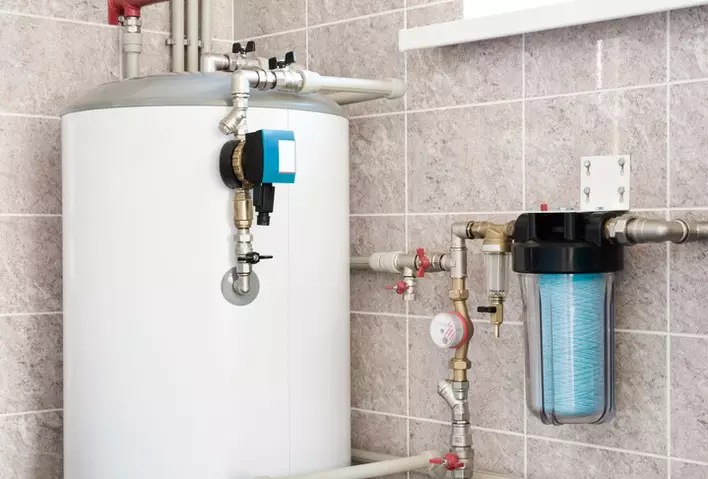
7. Buy a heat pump water heater to save energy
For a more creative energy-efficient home improvement, consider purchasing and installing a heat pump water heater. These devices heat water by moving energy around via electricity. With their efficient mechanisms, heat pump water heaters are 2 to 3 times more effective than traditional water heaters and usually last 10 to 12 years.
Having trouble getting water to heat up for the sink or shower? A heat pump water heater should do the trick, plus simultaneously save you lots of money.
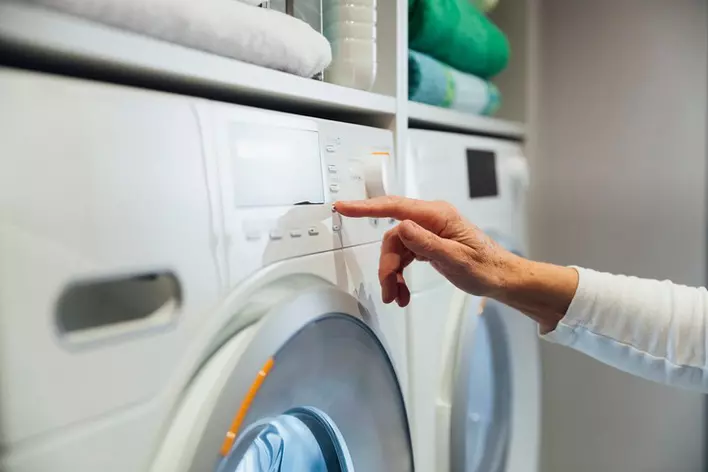
8. Upgrade your appliances to be eco-friendly
To make your home more energy-efficient and see immediate value from the upgrades, replace your old appliances with ENERGY STAR-certified ones. Eco-friendly appliances, like refrigerators, washers, dryers, and dishwashers are useful, efficient, and cost-effective all at the same time.
Each type of appliance comes with different benefits. As a few examples:
- Refrigerators are at least 15% more efficient compared to standard refrigerators
- Furnaces are around 15% more efficient compared to standard furnaces
- TVs consume less electricity when switched off, passively saving energy in the background
On top of that, you can point out that your appliances are energy-efficient when showing your house to prospective buyers. That fact alone might let you secure a better offer if you ever decide to move.
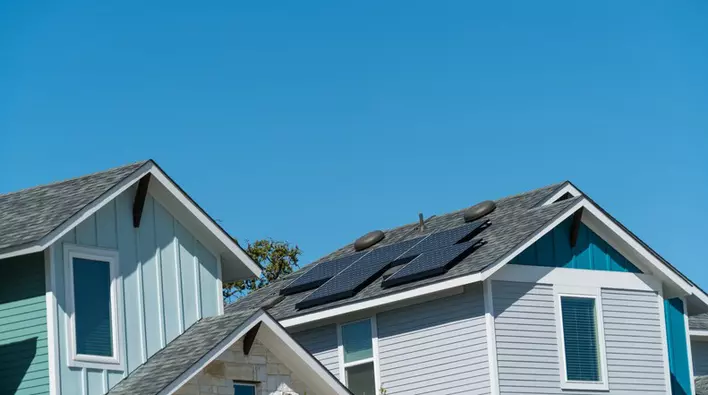
9. Consider a set of solar panels for an energy-efficient home
You can’t forget the possibilities that solar panels bring to the proverbial table. Solar panels produce electricity for you, cutting your energy bill and doing your part for the planet. In the long run, solar panels are one of the smartest investments you can make.
If you stay in your property for several years to come, you’ll reap the rewards of partial energy independence (both in terms of savings and peace of mind – no need to panic if the power grid has a momentary failure, for example). Then, if you decide to sell, the presence of quality solar panels will certainly result in higher profits when you close the deal.
When all your energy-efficient upgrades are combined, you might qualify for extensive tax credits from the IRS. All in all; it’s easy to see just why so many Blue Ridge homeowners are looking into energy-efficient home improvements.
Sound like a lot of work? It doesn’t have to be. At Window World of Blue Ridge, our experts can help you pick out the right energy-efficient windows or new doors for your property, plus offer additional advice. Contact us today, and we’ll get started!