



 Back to Blogs
Window Locks & Latches for Blue Ridge Homeowner

Discover the different window locks and latches to protect your home in the Blue Ridge region
Home windows can provide a lot of value to Blue Ridge homeowners. Yet at the same time, they can also represent possible security weak points. Not only are they possible escape routes for curious kids to climb through as they explore the world, but they’re also easy targets for would-be burglars looking to break in. That is, unless you secure those windows with the right locks and latches. Today, we’ll take a look at nine effective types of window locks and latches you can use to keep your property and your family safe for years to come.
9 common types of window locks
If you’re not sure which type of window lock or latch is right for your home’s windows, read on. There’s a sturdy, trustworthy lock for every window type, ranging from double-hung windows to sliding windows to casement windows and more.
1. Window latches
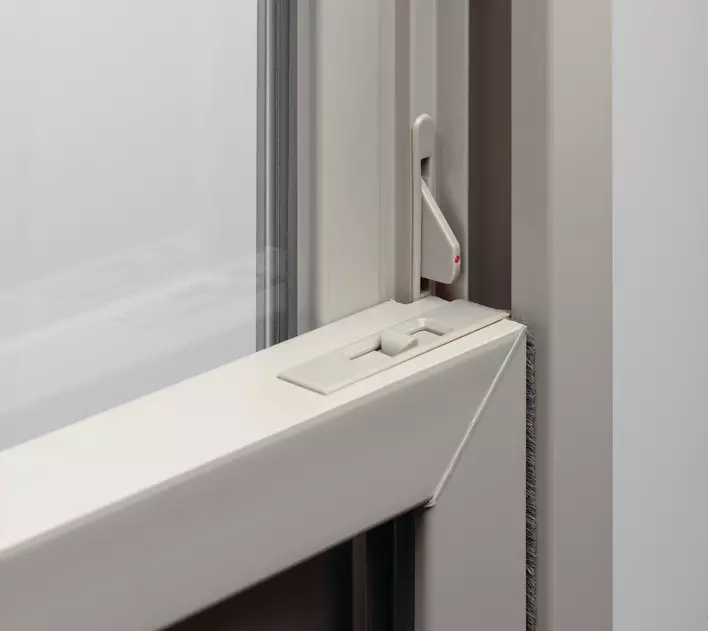
Classic window latches are the most common type of lock you’ll find on single-hung and double-hung windows. That’s because they are simple yet effective; they connect both sashes of a given window and lock them in place so neither moves. You can find latches atop your window sashes, so they’re also very easy to use and configure. However, window latches aren’t the most secure window locks compared to alternatives.
2. Folding window locks
Folding window locks are exactly what they sound like: window locks that fold up or down. They’re often designed to be used with casement windows. When you turn a folding lock downward, it keeps the casement window’s sash completely locked at all times, preventing any unwanted entry or opening. Many of the best new casement windows you purchase will come with these locks built into their frames.
3. Window wedge locks
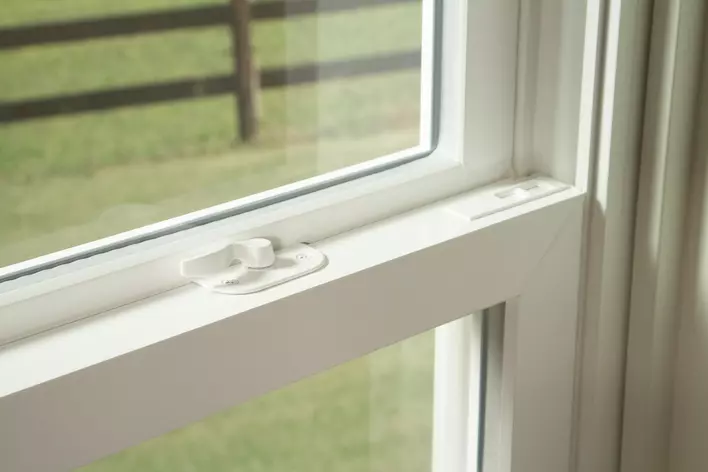
Window wedge locks – also called hinged wedge locks – are popular options for folks who favor window control. That's because they let you determine how far your window opens before locking it in place. They can serve double duty as child safety locks for this reason. To use a window wedge lock, you push the hinged wedge inward to give your window total mobility. Pull the lock away from the window, and it will only open partially. Window wedge locks are great circulation tools thanks to this functionality!
4. Window pin locks
Have you ever lived in a place with a chain lock on the front door? Window pin locks work similarly. One part of the lock is attached to the window sash, while the other part is attached to the frame. Both parts are connected by a cable or chain that stops the window from opening too widely. Window latch replacements are simple to install with a home drill, and they’re effective choices for casement windows that you like to partially open for a breeze while not keeping them completely open for security reasons.
5. Sliding window locks
Sliding window locks also use pins, although their pins screw into their sliding tracks, stopping the windows from opening any further than you like. In this way, they’re similar to window wedge locks. Sliding window locks are only meant for sliding windows and doors. They’re dependable and durable and can be counted on in a pinch. Plus, these locks are also super easy to install, even without a lot of experience.
6. Window keyed locks
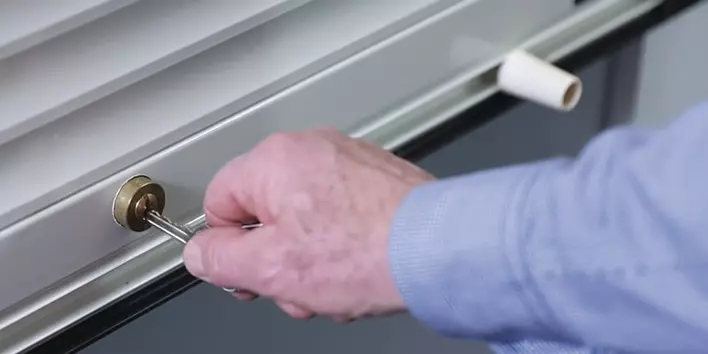
Sometimes, the best window lock is the one you can control with a key. If that sounds ideal for your security needs, you might consider investing in window keyed locks, which are oftentimes more durable and dependable compared to other locks, like latch locks. In some cases, you can even find keyed locks paired with latch locks or other locks for even more window security. Consider this window upgrade if you want to double down on home defense, especially given the fact that around 23% of burglars use windows to enter targeted homes.
7. Swivel action window locks
Swivel action locks are unique and effective. They’re technically self-locking, using a snib or catch to stop a window from opening after you close it. Thus, these could be good choices for folks who like to “set and forget” their locks as they close their homes up for the evening.
8. Ventilating window locks
When you need fresh air or want to take advantage of your window placements, you need ventilating window locks. Vent locks offer security but also allow you to enjoy ample airflow. They use movable pins installed above the window sash that stop windows from fully opening. Once you remove the pin and push it to the side, you can open the window as fully as you like. Easy!
9. Smart window locks
You can’t forget smart window locks. These electronic devices use battery-powered bolts or latches to lock or release windows as ordered. You can integrate them with the rest of your smart home’s controls if you like. They’re great options to prevent kids from accidentally opening the windows when you don’t want them to, as well.
ANSI Grade levels – choose the right window locks
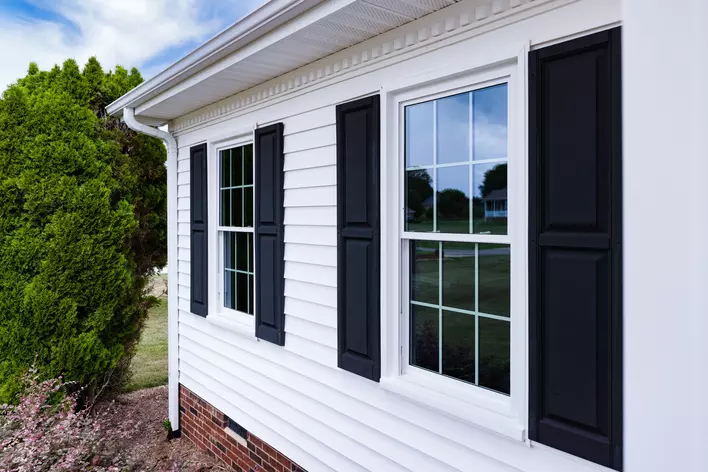
As you can see, there’s a suitable lock for every type of window, no matter the opening mechanism or size. That said, some locks are a little better for home defense and security than others. You can tell which is which by looking at a given lock’s ANSI grade level. In a nutshell, the American National Standards Institute (ANSI) grade level or lock rating tells you how durable and heavy-duty a lock is before you install it on one of your windows. Let’s take a closer look.
Grade 1
An ANSI Grade 1 lock is the best of the best in the toughest of the tough. In short, it’s the most durable type of lock you can purchase. Each is designed for heavy-duty, commercial, and/or industrial-grade applications. So, if you install a Grade 1 lock on the windows of your home in Wilkesboro, you can rest assured that the lock will withstand everything life might throw at it.
Grade 2
A Grade 2 rating from ANSI means that a lock is still perfectly suitable for residential uses. Consider these mid-grade locks overall – as an example, a Grade 2 lock can withstand five 75-foot-pound blows to the cylinder face before breaking, plus withstand 360 pounds of force applied to a lever or knob. That’s no small feat, especially for a small window lock.
Grade 3
Grade 3 locks, of course, are rated by ANSI as the lowest in terms of strength and durability. They shouldn’t be used for industrial applications, but they can still serve some purposes on residential windows.
For example, if you need to install some child safety locks to keep your kids safe when they are indoors, Grade 3 locks can certainly get the job done. After all, kids can’t be expected to put too much force on a window lock, even if they're determined to open a window that should be kept closed.
All in all, any of the above window locks or latches could be right for your Blue Ridge home’s windows. It all depends on how tough you need your locks to be and the type of windows you need to secure.
You can get started protecting your home by installing locks on new windows right away. When it comes to window replacements and upgrades, there’s no one better to talk to than Window World Blue Ridge. Our experts can help you find the right windows for your needs, plus offer recommendations on security, lock design, and more. Contact us today!