



 Back to Blogs
What’s the Cost of Enlarging Windows for Your Home?

Ever stood in a dim room wishing for more natural light or imagined how a larger picture window might transform your living space? You’re not alone. Many homeowners in our area have invested in enlarging their windows to boost curb appeal, enhance interior aesthetics, and enjoy more of the outdoors from the comfort of their homes. But before you can see these benefits yourself, it’s a good idea to ask: What’s the cost to enlarge a window?
Like many home improvement projects, the cost to enlarge a window can vary dramatically depending on several factors, from structural considerations to the type of glass you choose. Whether you're replacing a window with a grand bay design or expanding an existing window type by a few inches, understanding the associated costs can help you plan wisely and avoid surprises. Let’s break it all down.
Benefits of installing a larger window for your home
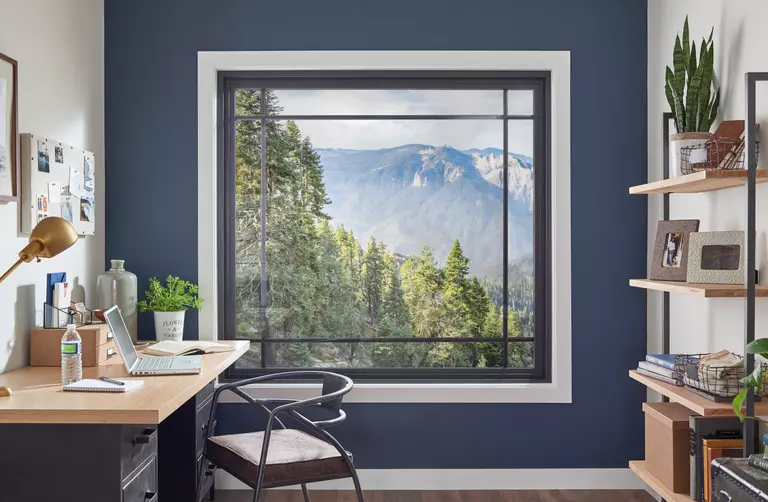
Before diving into the numbers, it’s worth exploring why so many homeowners in northwest North Carolina choose to invest in enlarged windows. The reasons go beyond aesthetics; they can also significantly impact the comfort, style, and energy efficiency of your home.
More natural light and better views
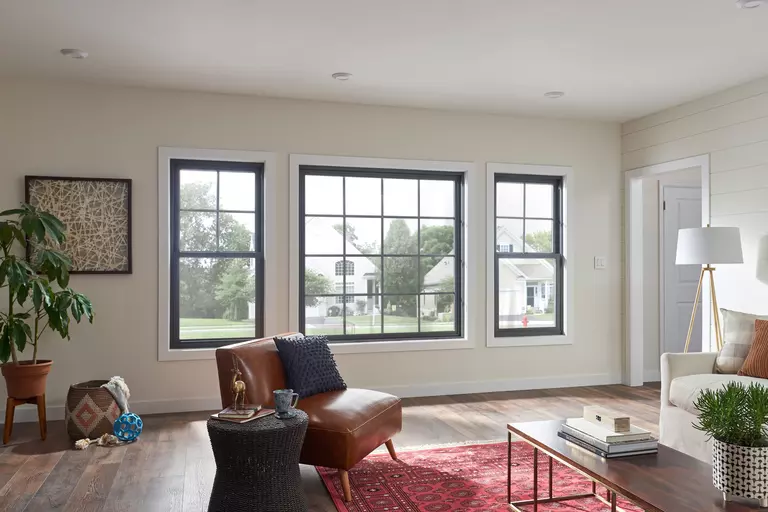
One of the most immediate benefits of enlarging a window is the dramatic increase in natural light your space receives. More daylight not only brightens up dark spaces but can also lift your mood, reduce reliance on artificial lighting, and make rooms feel more open and spacious. A bigger window also expands your line of sight to the outdoors, bringing in scenic views that may have previously been cut off or minimized.
If you work from home often or just like bringing some of the outside world into your home, the psychological boost of more sunlight and a better view of nature from a larger window can’t be overstated.
Expanded style options
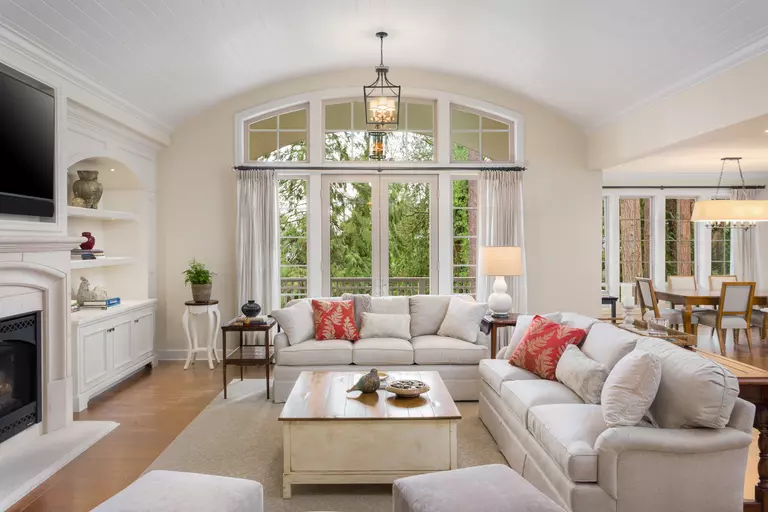
When you increase the size of your windows, you also open the door to new design possibilities. From floor-to-ceiling picture windows to wide bow or bay windows, larger openings give homeowners the freedom to choose styles that better match their home’s character or desired aesthetic.
This design flexibility can be especially appealing in older homes with smaller, outdated windows or in newer homes, where modern minimalism and large panes of glass are key to visual appeal. Either way, enlarging your home’s windows could be a fantastic way to elevate its curb appeal and make your home look like you’ve always wanted.
Boosted energy efficiency
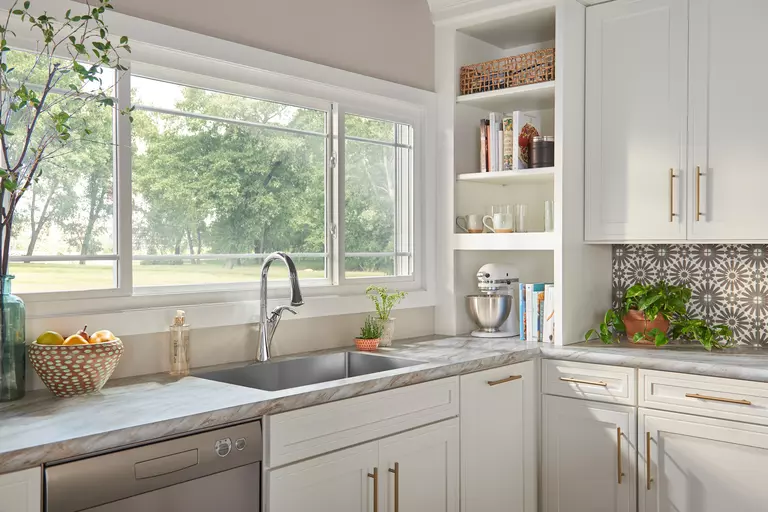
It might sound counterintuitive, but enlarging a window can actually improve your home’s energy efficiency – if you choose the right products. Modern window technologies include Low-E coatings, double- or triple-pane glass, and insulating frames that reduce heat loss and minimize UV penetration.
If you’re replacing older single-pane windows with high-performance units, you could see an improvement in your home’s insulation (even if the new windows are larger than the old ones), which can translate to lower heating and cooling bills in the long run.
The average cost to enlarge a window
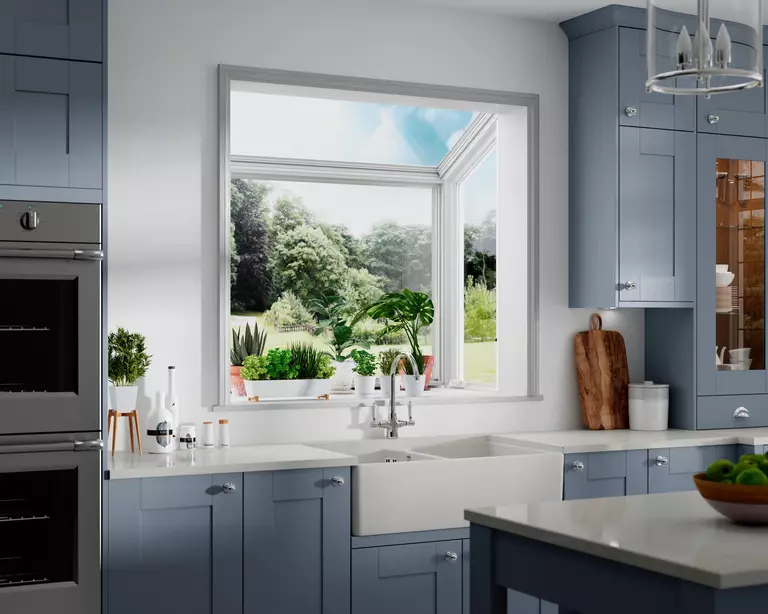
So what’s the bottom line? Enlarging a window could cost anywhere from $1,000 to $5,000 or more per window, depending on the scope of the project. Here’s a breakdown of the factors that influence that range.
Window size
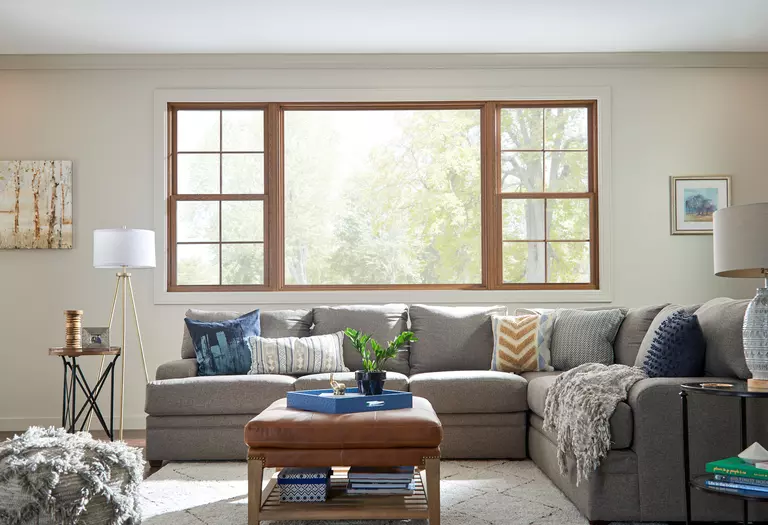
Naturally, the larger the new window opening, the more work and materials are involved. Enlarging a small bathroom window into a mid-sized one might cost a few hundred to a thousand or so dollars, while expanding a standard bedroom window into a wide bay or floor-to-ceiling picture window could climb into the thousands.
Don’t forget: Bigger windows mean bigger frames, more glass, and sometimes additional reinforcement inside the wall. All of those can add up to increase your renovation’s total cost!
Window cost
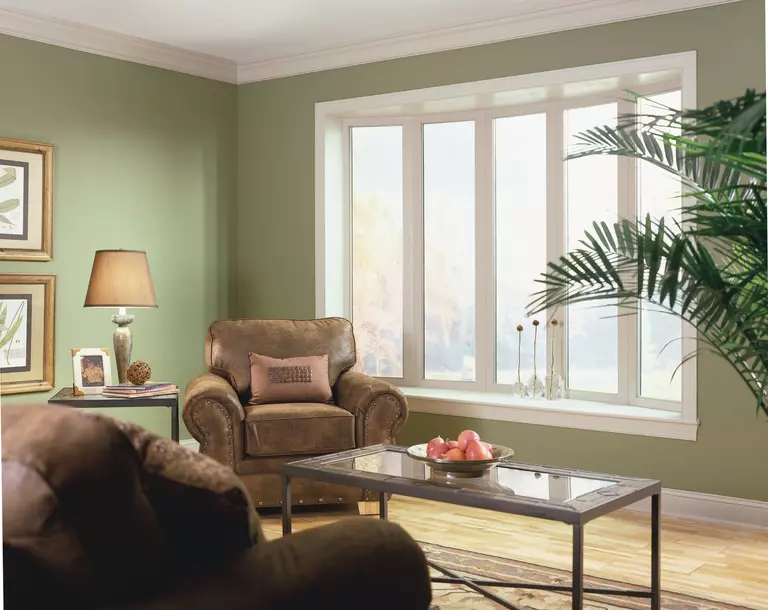
The actual cost of the window itself plays a big role in your total spend. Standard vinyl windows are usually the most affordable, with average prices starting around $300 to $2,500 per unit. But if you’re eyeing custom frames or specialty shaped windows, expect to pay $1,000 or more just for the window.
Your choice of window brand, glass type (such as tempered, tinted, or laminated), and other design features will all affect pricing. With that in mind, speak to experienced window design consultants to get accurate estimates and plan your window enlargement project to fit your budget.
Window location
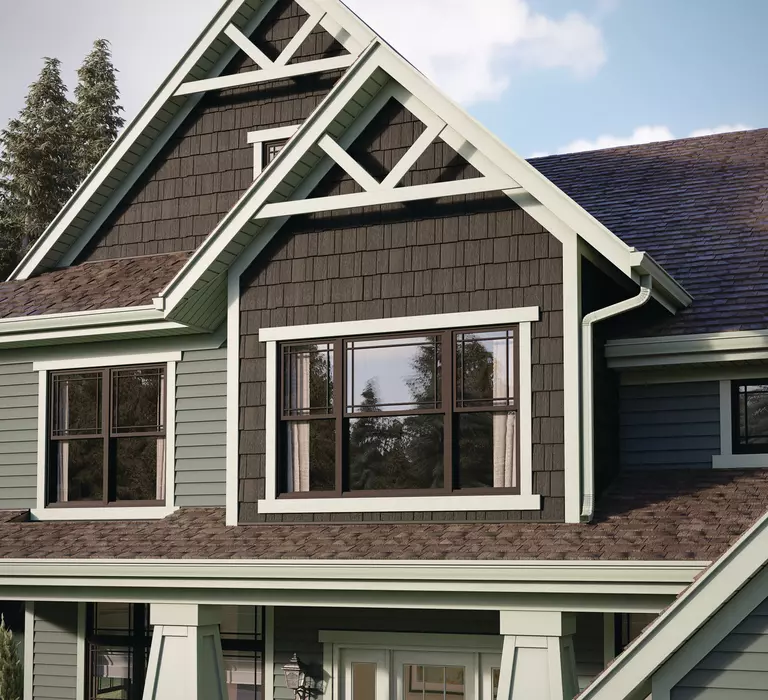
Where the window is being installed in your home matters for both its price and its end result. Ground-level or basement windows are generally easier and less expensive to work with. On the other hand, if you're enlarging a window on the second story or in a hard-to-access area, labor costs could rise due to scaffolding or extra safety precautions.
In addition, the wall type – load bearing vs. non-load bearing – will directly impact the labor and engineering required to increase a window’s size.
Are structural changes needed?
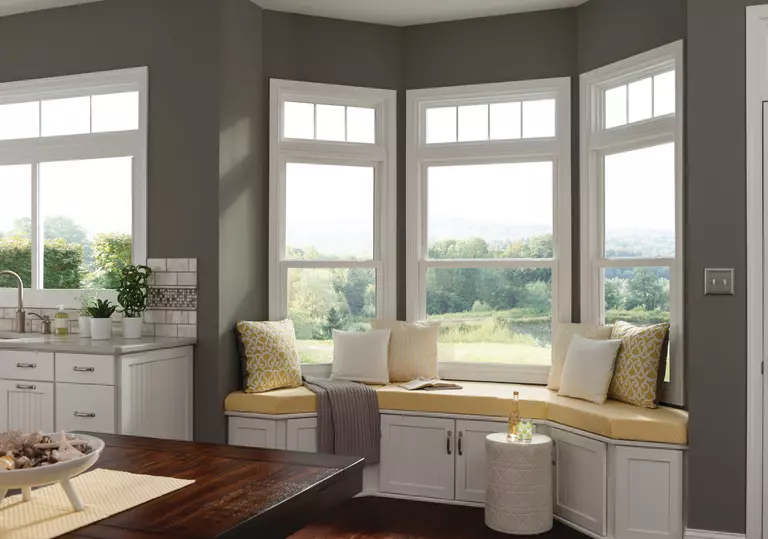
If the wall you’re working on is load bearing, or if you need to reroute wiring, plumbing, or HVAC ductwork, you can bet things will get a little more expensive. Structural changes may require a beam (header) replacement, city permits, and detailed engineering plans – and those are just a few examples of the extra steps and materials needed for these projects.
The bottom line? Expect structural modifications to add $1,000 to $3,000 to the overall window replacement project.
Hiring specialists
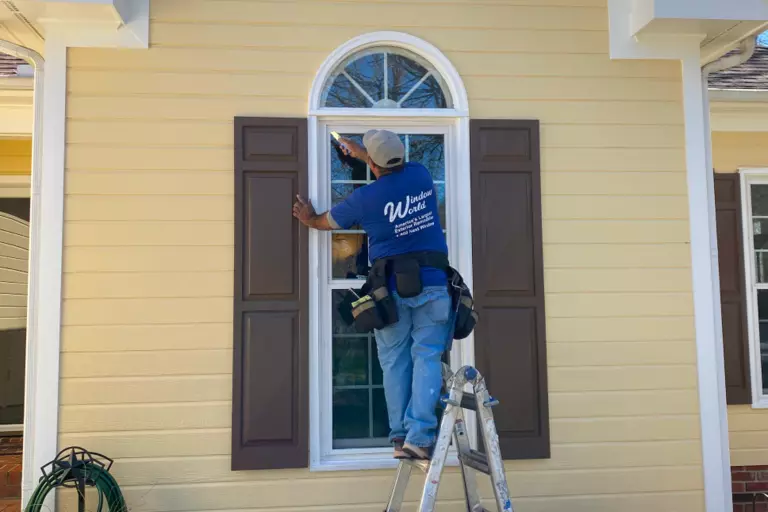
Enlarging a window isn’t just a DIY swap-and-replace job! It should involve skilled contractors, especially if structural changes are needed. This means your budget needs to include:
- A home design and remodeling expert
- A structural engineer (if you plan to modify load-bearing walls)
- A certified window installer
Labor can run anywhere from $500 to $2,000, depending on the complexity of the job and regional rates. Reach out and get a free quote specific to your project from local experts.
Other fees and charges
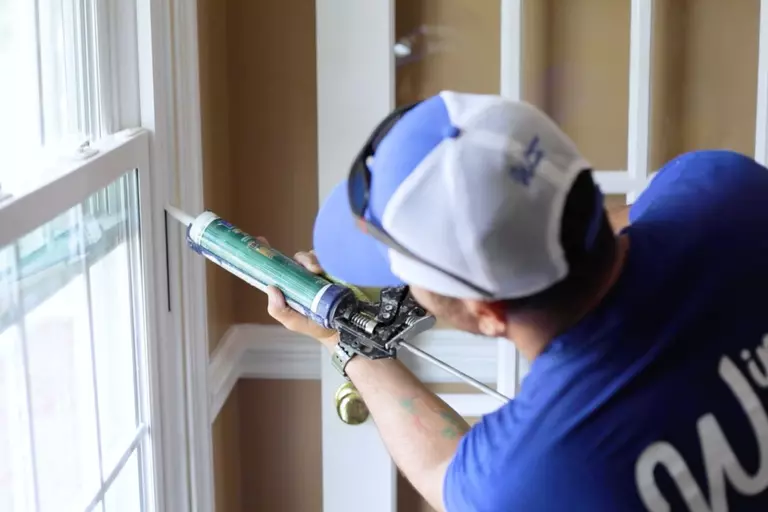
Besides materials and labor, there are other potential expenses when increasing home window sizes:
- Permits: These are required in most areas and are typically $100 to $500.
- Disposal fees: You’ll need to pay to remove and discard old windows and wall material.
- Interior/exterior repairs: Don’t forget drywall, paint, siding, or trim work following the window’s installation.
These "hidden" costs can easily add several hundred dollars to your final invoice, so it’s smart to factor them into your planning from the start.
Steps to changing window sizes for a house
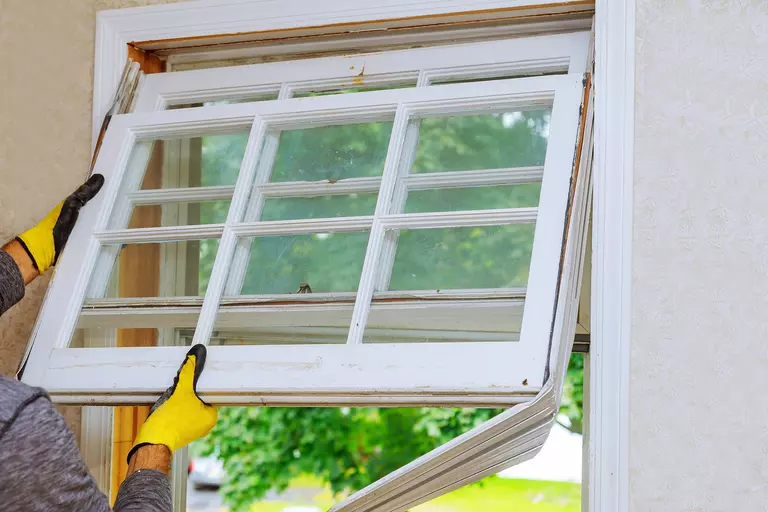
As you can tell, enlarging a window isn’t as simple as popping in a bigger pane of glass. Here’s what the typical process looks like, but remember that your renovation project could look a bit different:
- Design consultation & assessment: A professional will evaluate your existing windows, determine whether structural changes are needed, and help you explore your options.
- Permitting & planning: Your contractor may submit plans for approval and secure local permits before beginning work.
- Demo & framing: The wall around your current window will be opened, the framing will be adjusted or replaced, and a new header will be added if necessary.
- Window installation: The larger window is installed, sealed, and tested for weather tightness.
- Finishing work: Both the interior and exterior are patched up – this includes drywall repair, repainting, siding, and trim work.
- Final inspection: Depending on your municipality, a professional inspector may perform a final check to ensure everything is up to building code.
The entire project can take anywhere from a day or two to several weeks, depending on the complexity.
Get the larger windows you’ve always wanted at Window World of the Blue Ridge
When you're ready to enlarge your windows and let more natural light into your life, Window World of the Blue Ridge is here to help. As one of the most trusted names in northwest North Carolina for home window replacement and remodeling, we offer high-quality, energy-efficient windows in a variety of styles and custom sizes – and you can see them for yourself at our showroom or online.
Request a free quote today to start your project, or contact us to learn more about our window replacement process!