



 Back to Blogs
What Are the Main Glass Types for Windows?

When most homeowners think about new windows, the first thing that comes to mind is frame style. Do you need double-hung, casement, or sliding? And what material is best for your window renovation? But there’s another element that often matters even more: the glass itself.
The type of glass you choose has a direct impact on how much natural light fills your rooms, how energy-efficient your home feels year-round, and even how safe your family is if the glass breaks. Simply put, there’s more to window glass than meets the eye.
Today, let’s explore the different types of window glass, why they matter, and how to choose the right one for your home.
Why window glass options matter

Choosing a window frame is important – its shape and material type, such as vinyl or wood-clad aluminum, help determine window energy efficiency, appearance, and durability. However, the glass is what actually does most of the work. Here’s what a window’s glass provides or impacts:
- Visibility and natural light – The glass you select affects how bright your space feels, from clear panes that maximize sunlight to tinted or obscure glass that softens glare and adds privacy.
- Energy efficiency – Insulated glass helps keep indoor temperatures steady, reducing how hard your HVAC system has to work. Options like low-E coatings take that performance even further.
- Safety and durability – Different glass types respond differently when broken. Safety glass options, like tempered and laminated glass, are partially designed to protect your family from sharp shards if they ever break.
- Privacy and style – Glass isn’t always about what you can see through. It’s also about determining what can’t be seen. Frosted or textured glass can block views while still letting in light.
Put another way, your choice of glass is about looks, functionality, and ensuring your windows fit your lifestyle.
Common types of window glass
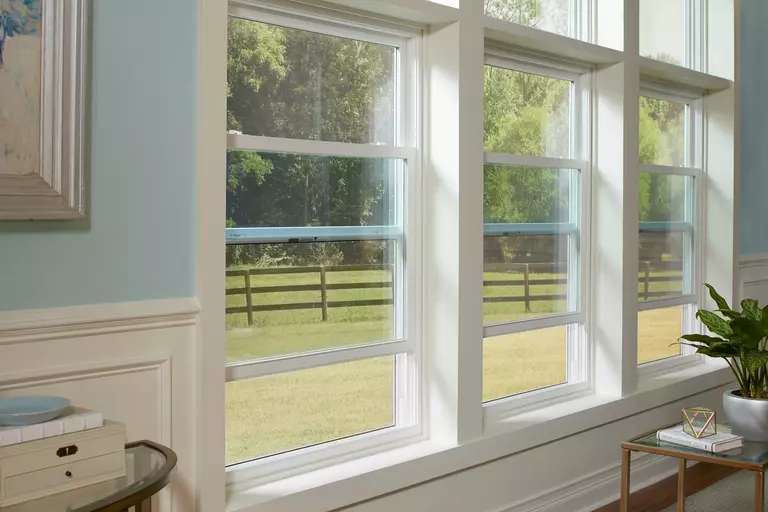
No two windows are alike, so there are several different kinds of window glass you’ll find when you start thinking about new windows. Let’s take a look at some of the more common glass varieties first.
Annealed (float) glass
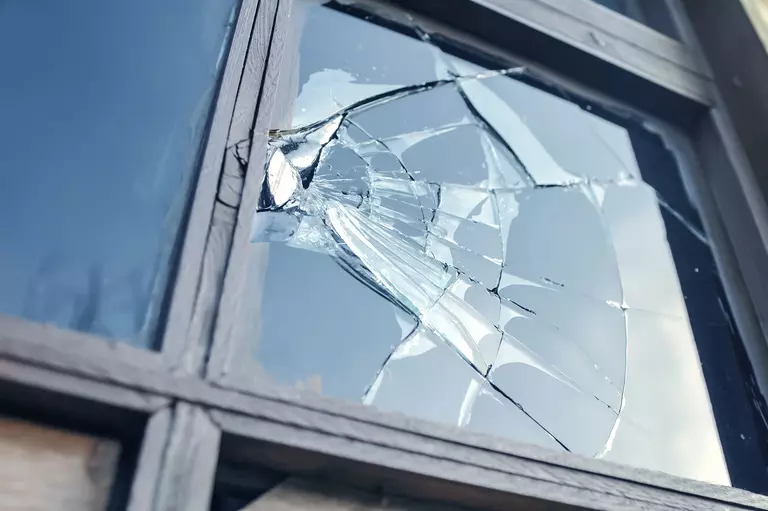
Annealed glass, sometimes called float glass, is the most basic form of window glass. It’s the clear, untreated glass that’s been around for decades and that you can find in many modern windows.
But while this glass type is affordable, it has one major drawback: When it breaks, it shatters into large, sharp shards. Because of this safety risk, annealed glass is rarely used in modern residential windows except in very limited applications.
Tempered glass
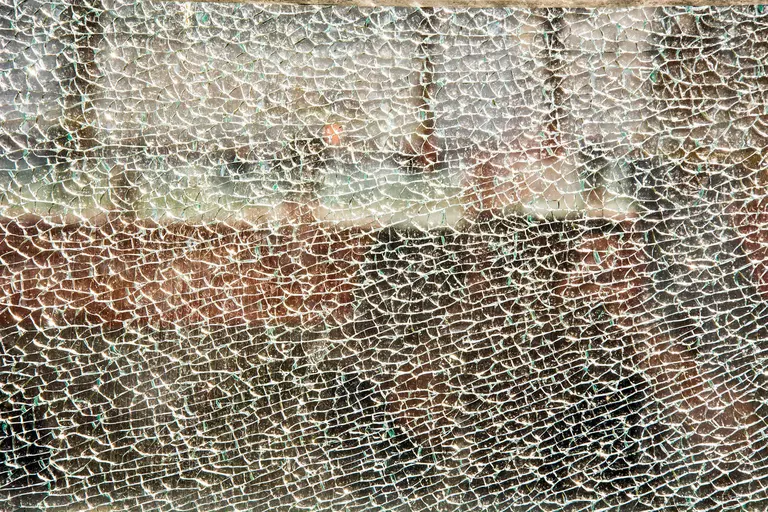
Tempered glass takes annealed glass and strengthens it through a special heating and cooling process. The result is glass that’s about four times stronger.
More importantly, if tempered glass does break, it crumbles into small, rounded chunks rather than dangerous shards. That makes it far safer in homes with children or pets. In fact, building codes often require tempered glass in certain areas, such as patio doors, bathrooms, or windows that are close to the floor.
Laminated glass
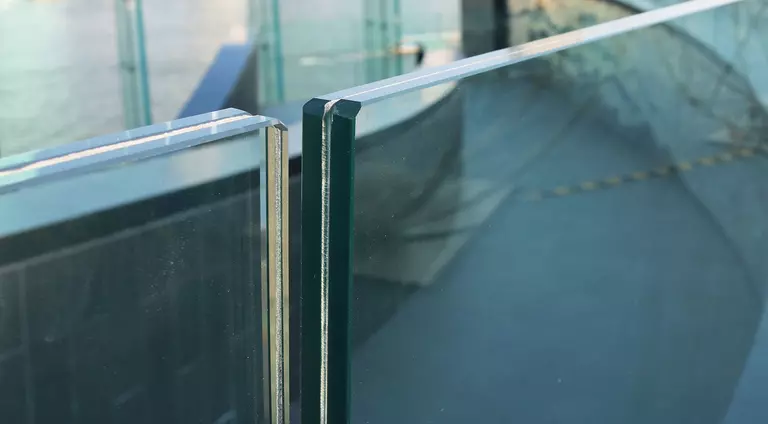
If you’ve ever looked at a car windshield, you’ve seen laminated glass at work. This type consists of two panes bonded together with a thin plastic interlayer. Even if the glass cracks, the interlayer holds it in place, preventing it from shattering apart (at least as easily as it might otherwise).
Laminated glass is a popular option for homeowners who want:
- Added security (since it’s harder to break through)
- Storm resistance (it’s especially valuable in wind-prone areas)
- Noise reduction (the interlayer helps block outside sounds)
Insulated glass (double- and triple-pane)
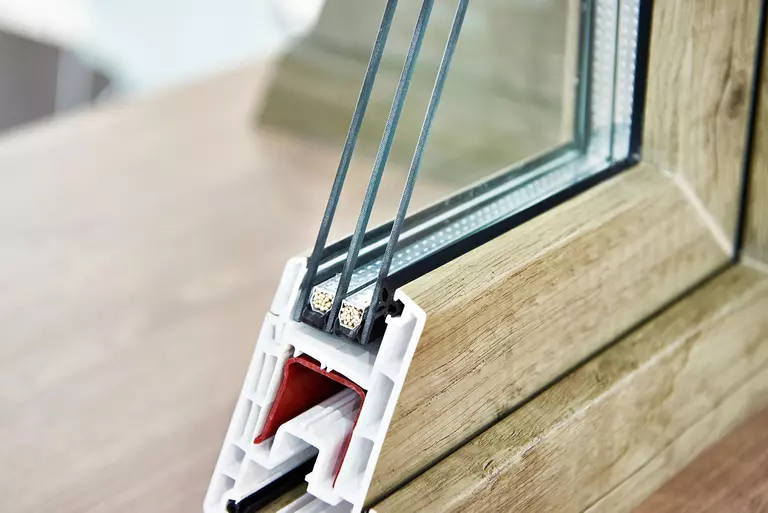
Most modern windows today feature insulated glass units, also called IGUs. These consist of two or three panes separated by a sealed space filled with air or gas, often argon or krypton.
The extra layers act like a buffer, reducing heat transfer between the indoors and outdoors. That means cooler summers, warmer winters, and less strain on your energy bills.
Double-pane glass is today’s standard for replacement windows. But triple-pane glass goes a step further, offering maximum insulation and energy efficiency, especially in colder climates.
On the technical side, either type of insulated glass lowers your home’s U-factor (a measure of heat loss) and boosts ENERGY STAR performance. It all leads to year-round comfort and potential savings on utility bills.
Specialized window glass options
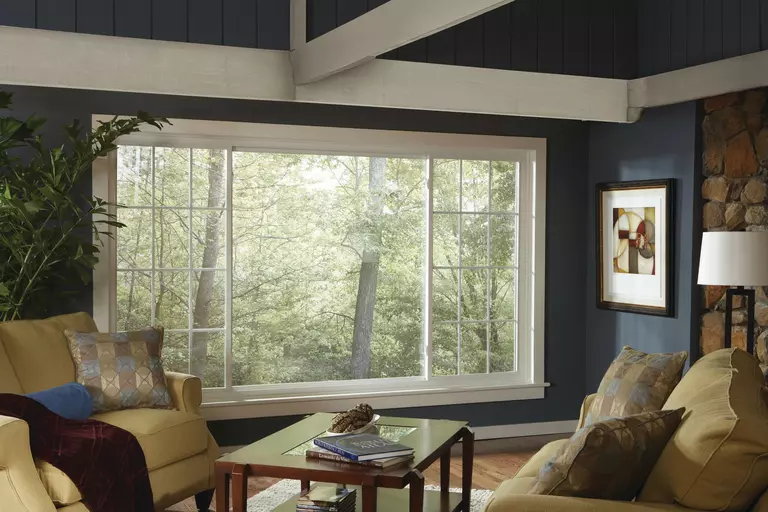
When you need windows that achieve a specific goal or that work with a specific home feature, specialized glass could be the perfect fit. Here are a couple of options you’ll find available with most window retailers.
Low-E (low-emissivity) glass

Low-E glass features a microscopically thin coating of metal oxide on the surface. Don’t worry – you can’t see it, but it reflects infrared heat while still letting visible light pass through.
- In summer, low-E glass reflects heat away, keeping your home cooler.
- In winter, it reflects indoor heat back into the room, reducing energy loss.
When paired with insulated glass, low-E coatings can significantly improve the efficiency of your windows and the comfort they provide.
Obscure or privacy glass
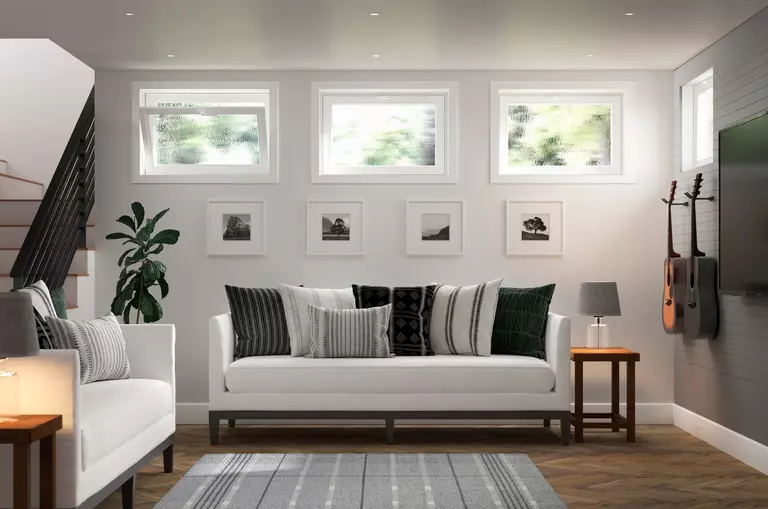
Sometimes you want sunlight without sacrificing privacy. That’s where obscure glass comes in. With frosted, textured, or patterned finishes, obscure glass diffuses light while blocking clear views. It’s a favorite choice for bathrooms, sidelights, and entry doors.
Tinted glass
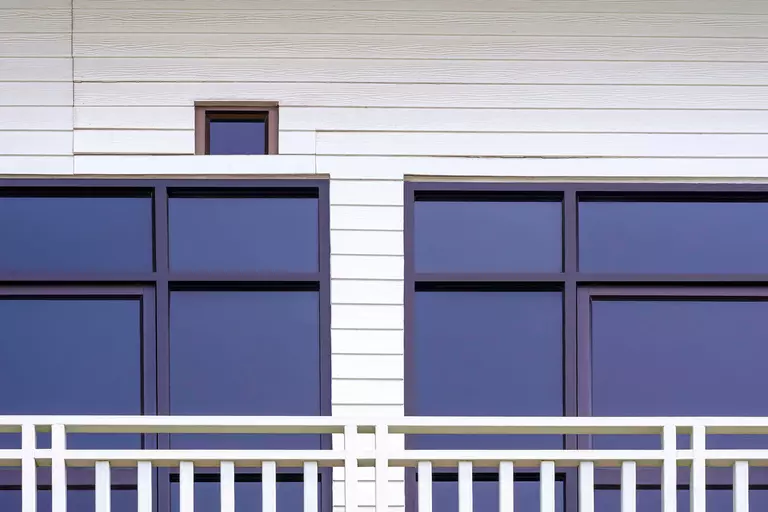
Tinted glass has a subtle color built right into the material. This reduces glare, cuts down on solar heat gain, and adds a sleek appearance to the exterior of your home. During daylight hours, tinted glass also enhances privacy without completely blocking out all natural light.
How to choose the best type of window glass for your home

With so many options, how do you know which glass is right for you? Start by thinking about your priorities:
- Energy efficiency. If your main goal is to save on utility bills and keep your home comfortable, insulated glass with a low-E coating is the gold standard.
- Safety and security. For areas where breakage is a concern – like large windows, patio doors, or basement egress windows – tempered or laminated glass provides peace of mind.
- Noise reduction. Live near a busy road or noisy neighborhood? Laminated or triple-pane glass can help keep your home quiet.
- Privacy. For bathrooms, entryways, or spaces close to the street, obscure or tinted glass strikes the perfect balance between light and discretion.
Often, the best solution combines features – for example, a double-pane insulated glass unit with a low-E coating and laminated safety benefits.
Ready to customize your new windows?
At Window World of Blue Ridge, we know that the right glass can make all the difference in how your windows look and perform. Because we live and work here too, we understand what our climate demands, whether it’s insulation for chilly mountain mornings or coatings that reduce glare from the summer sun.
Our wide selection of glass options means you don’t have to settle. And with professional installation and industry-leading warranties, you can feel confident that your new windows will perform beautifully for years to come.
Schedule your free consultation today and let our experts walk you through your options. Together, we’ll make sure your new windows bring the best of beauty, performance, and peace of mind.