



 Back to Blogs
How Long Does a Fiberglass Door Last vs. Other Materials?
Your front door has a lot of jobs – protecting your home, greeting guests, boosting curb appeal, and even insulating your house against the weather, just to name a few! But how long does a front door last before needing to be repaired or replaced?
As it turns out, that depends on several things, like the material the door is made of and how often you maintain it. Today, we’ll go over the lifespan of common exterior door materials and how you can help your front door last as long as possible – plus explain why fiberglass might just be the gold standard for a long-term entry door replacement solution.
How long do exterior doors last?
Exterior doors don’t have a one-size-fits-all lifespan. In fact, their durability varies based on factors like material, climate, usage, and how well you maintain them. But in general, here’s what you can expect for different front door lifespans:
- Wood doors typically last between 20 and 40 years. High-end solid wood doors can stretch longer – up to 60 years or more – but they need regular refinishing to keep moisture, sun, and temperature fluctuations from causing major harm to their door frames or cores.
- Steel doors have a longer average lifespan, usually around 30 to 100 years. However, they can be prone to rust and dents, especially in humid seasons or if you live near large bodies of water.
- Fiberglass doors generally last 30 to 50 years with minimal upkeep. And when made from high-quality materials and installed correctly, some fiberglass entry doors can last as long as the house itself – 70 years or more.
So while all three can perform well under the right conditions, the real standout in terms of both longevity and maintenance is fiberglass.
Fiberglass: the best material for exterior doors
Fiberglass doors have become a favorite among Blue Ridge homeowners for good reason. They blend the beauty of wood with the strength of steel – and they do it all while requiring far less maintenance than their wood or steel counterparts. For example, fiberglass exterior doors are:
- Resistant to warping, cracking, and rotting. Unlike wood, fiberglass doesn’t absorb moisture. It won’t twist or swell with seasonal changes, making it an ideal exterior door material for any time of year.
- Rust-proof. Steel doors can corrode over time, especially in salt-air regions. Fiberglass stays clean and solid for decades.
- Energy-efficient. Most fiberglass doors have a dense foam core that helps keep outside temperatures where they belong – outside. That means lower energy bills and a more comfortable home.
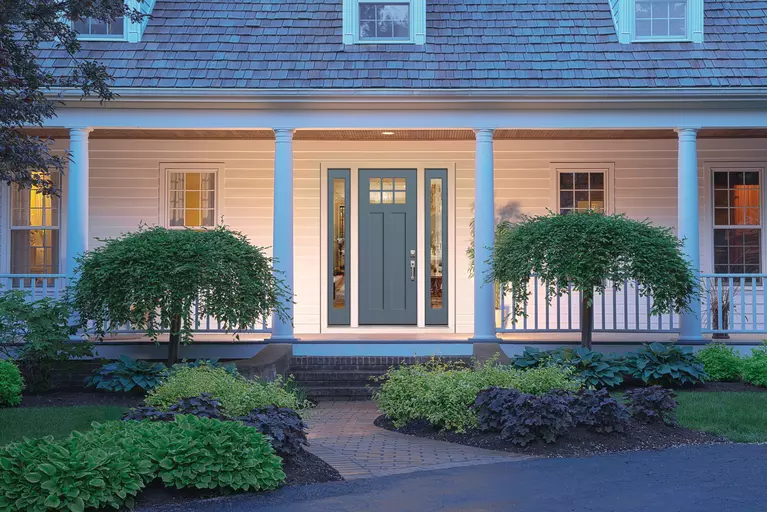
- Available with incredibly realistic finishes. High-quality fiberglass doors can be stained or painted to look just like natural wood, complete with authentic grain patterns. You don’t have to compromise between looks, durability, or energy efficiency with fiberglass – you can have it all!
Now, let’s dig into how fiberglass compares directly to wood and steel.
Fiberglass vs. wood doors
Wood doors are beloved by many homeowners for their natural warmth and aesthetic elegance, but they come with trade-offs:
- Maintenance. Wood exterior doors need to be painted or stained every couple of years to prevent damage. Without regular sealing, wood can absorb moisture, leading to rot and cracks.
- Durability. While solid wood can last for decades, it’s also more susceptible to dings, scratches, and warping compared to fiberglass.
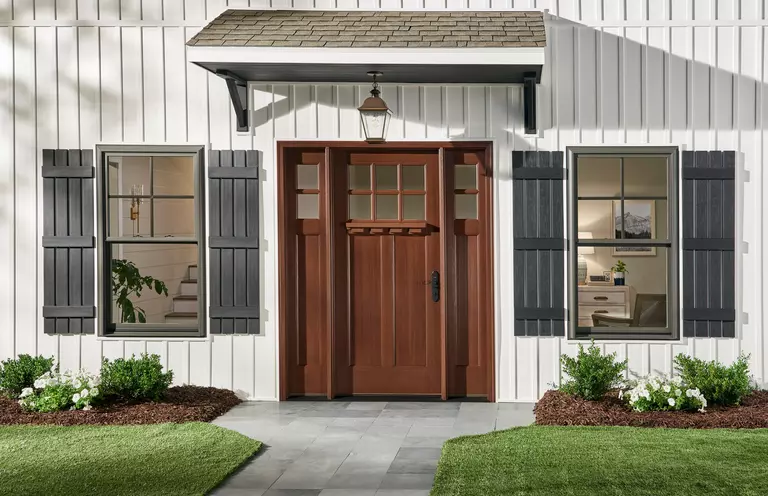
- Aesthetic match. Fiberglass now offers wood-look finishes that mimic oak, mahogany, and cherry so closely that it’s often hard to tell the difference without touching.
In short, if you love the look of wood but don’t want the upkeep, fiberglass is your low-maintenance alternative for the exterior door style you’re looking for.
Fiberglass vs. steel doors
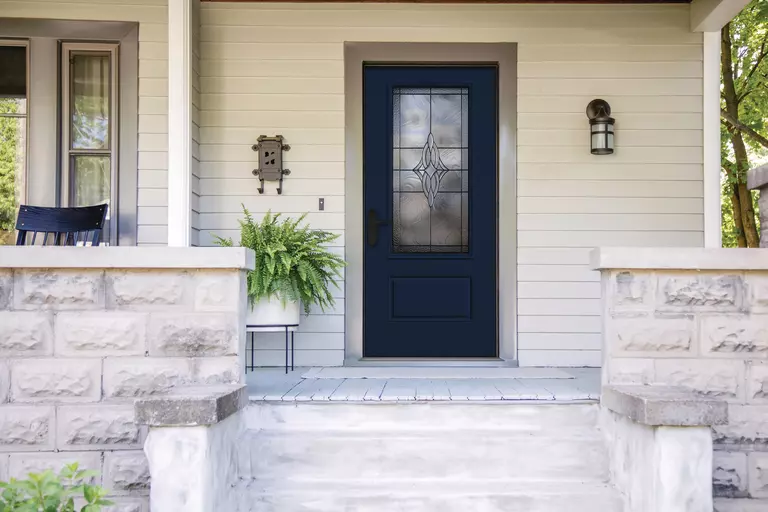
Steel doors are often seen as a strong, budget-friendly option. But when compared to fiberglass, some limitations become clear:
- Susceptibility to dents and rust. Steel can get dinged easily, especially in busy households. And without proper coatings, it’s vulnerable to rust.
- Thermal performance. Steel can transfer heat and cold, making the interior side uncomfortable to touch in extreme weather. In many ways, it’s the opposite of energy efficient!
- Aesthetic flexibility. Steel doors are usually painted and don’t offer the same realistic wood-look options as fiberglass.
To sum up, fiberglass beats steel in durability, energy efficiency, and design options – all while maintaining a competitive price point.
How to make your front door last longer
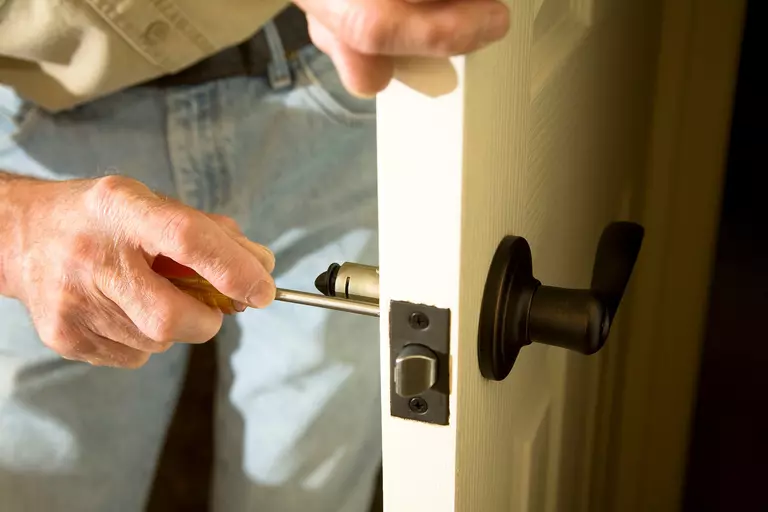
Whatever material you choose, proper care can go a long way toward extending the life and the value you get out of your door. Here’s how to keep your entry door looking great and functioning well for years to come.
Clean your door
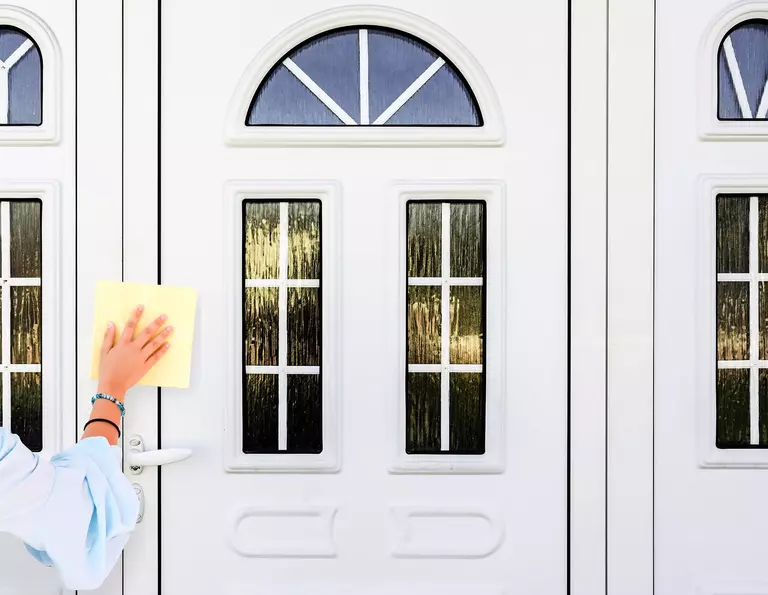
Cleaning your door ensures it looks great and adds years onto its lifespan – so make it a habit!
Dirt, pollen, and road salt can all degrade your door’s finish over time, but you can remove these with a bit of elbow grease. Use a soft cloth, mild soap, and water to gently clean the surface every few months. As a side note, avoid harsh chemicals or abrasive sponges that could damage the protective coating (if applied).
Apply protective finishes
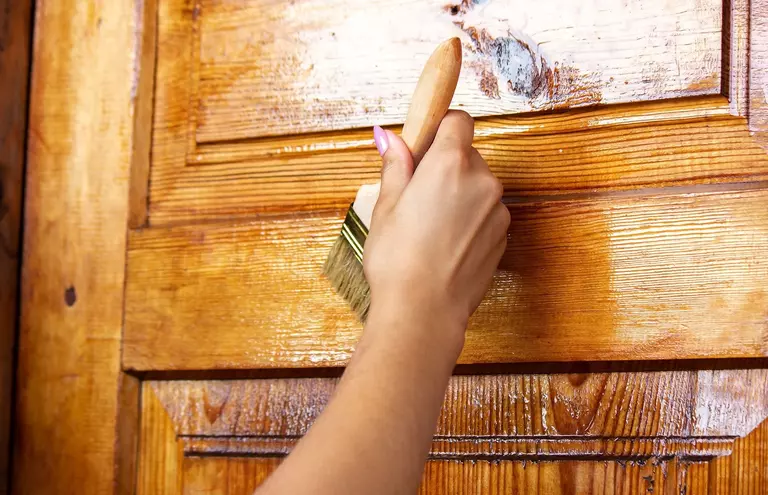
Speaking of protective coatings:
- Wood doors should be refinished annually or biannually, depending on your climate and sun exposure. Generally, it’s best to keep the protective coat as fresh as possible.
- Fiberglass doors, on the other hand, can also benefit from a fresh topcoat or UV-protective finish every few years to keep the color rich and prevent fading. It’s not as necessary as with wood front doors, but it’s still a good idea to maximize your fiberglass door’s lifespan.
Perform regular maintenance
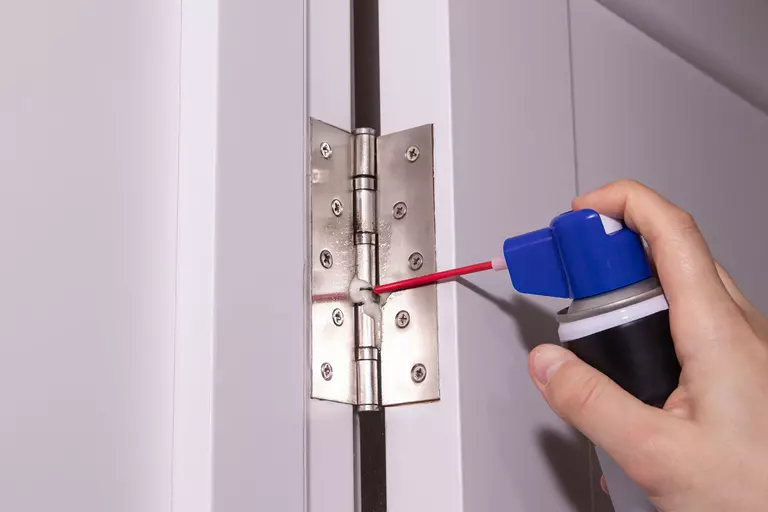
Even aside from protective finishes, you’ll want to regularly maintain your exterior door, both for looks and longevity. Here’s what we recommend:
- Lubricate your door’s hinges and locks with silicone spray or household oil to prevent squeaks and ensure it can open and close smoothly.
- Inspect the seals and weatherstripping for cracks or gaps, especially before summer or winter weather hits. Replacing worn weatherstripping every five to eight years can dramatically improve energy efficiency and help you feel more comfortable in your home.
Repair damage promptly
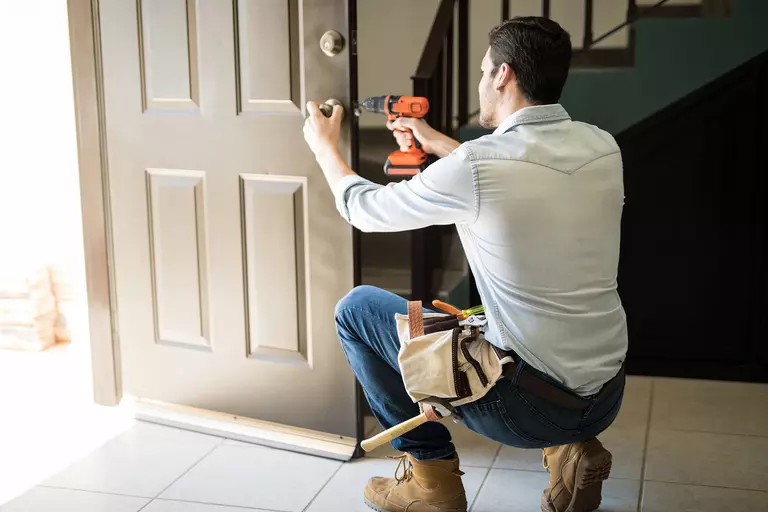
From time to time, you might notice a bit of damage on your exterior door. Even if it looks minor now, don’t leave it for later. A crack, chip, or warped edge can quickly become a bigger (and more expensive) problem – so much so that you might need to replace your front door completely.
The bottom line: Quick, sooner-rather-than-later repairs will keep your door secure and extend its lifespan, whether it’s fiberglass or some other material.
Find a fiberglass door that lasts a lifetime at Window World of the Blue Ridge
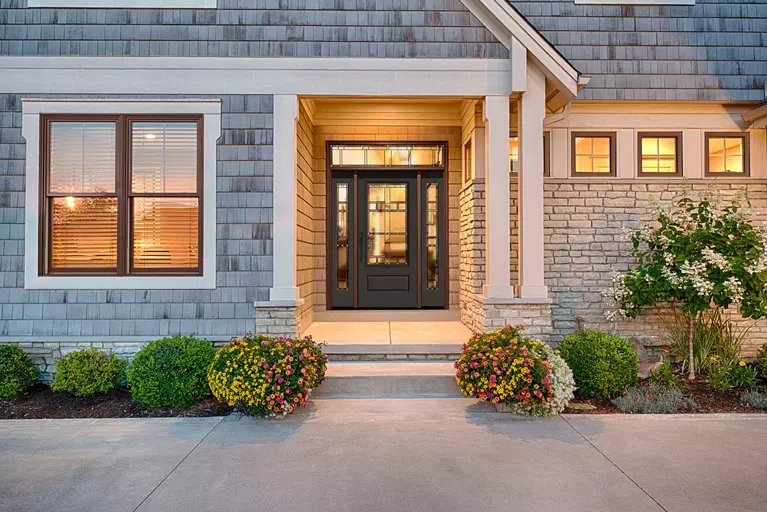
You deserve a front door that will last for decades – and we can help you find it. At Window World of the Blue Ridge, our fiberglass entry doors are the perfect solution for homes throughout northwest North Carolina. From modern, smooth-profile doors to woodgrain textures that emulate the look of real wood, we’re sure we have the ideal door for your home’s next renovation. Request a free quote today to get started, or visit our Wilkesboro showroom in person to see our doors up close!